April 18, 2026

admin

Design journalism definition encompasses a dynamic and evolving field, blending the rigor of traditional journalism with the power of visual storytelling and user-centered design. It goes beyond simply reporting facts, delving into narratives that engage readers through compelling visuals and interactive experiences. This exploration examines the core principles, techniques, and historical context of design journalism.

Design journalism is not just about presenting information; it’s about crafting an experience. Visual elements, including infographics, illustrations, and photography, are strategically employed to enhance understanding and evoke emotion. This approach prioritizes user experience, making the information accessible and engaging for the intended audience.

Defining Design Journalism

Design journalism is a dynamic and evolving field that blends the rigor of investigative journalism with the persuasive power of visual storytelling and user-centered design. It seeks to communicate complex information in a clear, engaging, and accessible manner, leveraging visual elements to enhance understanding and impact. This approach fosters a deeper connection with the audience and promotes a more profound comprehension of the subject matter.Design journalism isn’t simply about pretty pictures; it’s about using design principles to improve the delivery of journalistic content.

It recognizes the crucial role of design in making information more understandable and engaging, ultimately fostering a more informed and engaged citizenry.

Defining Design Journalism: A Concise Overview

Design journalism transcends the traditional journalistic approach by integrating design principles into the core of information dissemination. It utilizes visuals, typography, and layout to enhance the clarity and impact of stories. This approach is not merely an aesthetic exercise but a strategic method for enhancing comprehension and promoting a deeper understanding of complex issues. Key characteristics include a strong focus on visual storytelling, data visualization, and user-centered design.

Relationship Between Design and Journalism

The relationship between design and journalism is symbiotic. Design enhances the readability and accessibility of journalistic content, while journalism provides the substance and context for the design to convey. This synergy allows for a more effective and impactful communication of information. Visuals can transform complex data into easily digestible narratives, and well-structured layouts can improve the overall user experience.

Evolution of Design Journalism

Design journalism has evolved alongside technological advancements and shifting media landscapes. Early examples can be found in the use of infographics and data visualizations in newspapers and magazines. The rise of digital media further accelerated the evolution, enabling interactive elements and personalized experiences. Key figures in the field have pushed the boundaries of visual storytelling, highlighting the transformative potential of design in journalism.

Comparison with Traditional Journalism

Traditional journalistic practices often prioritize text-based reporting, with visuals playing a supporting role. Design journalism, conversely, integrates visuals as integral components of the narrative, often using data visualization and interactive elements to enhance the reader’s understanding. The difference lies in the emphasis on the communicative power of visual storytelling and user-centered design.

Core Principles of Design Journalism

Design journalism is grounded in several core principles. Visual storytelling is central to its approach, using imagery, graphics, and typography to convey narratives effectively. Data visualization plays a critical role in transforming complex data sets into easily understandable representations. User-centered design principles guide the development of accessible and engaging experiences for the reader.

  • Visual Storytelling: Employing compelling visuals, such as photographs, illustrations, and infographics, to enhance the narrative and engage the audience more effectively. Visuals can make complex information more easily digestible, thereby increasing reader engagement.
  • Data Visualization: Transforming raw data into visually compelling representations, such as charts, graphs, and maps, to provide a clear and concise understanding of the subject matter. This allows for an immediate comprehension of complex information.
  • User-Centered Design: Prioritizing the needs and expectations of the reader, aiming to create an accessible and engaging experience. A user-centered approach ensures that the design choices facilitate understanding and engagement rather than hindering them.

Comparison Table: Design Journalism vs. Other Types

Feature Design Journalism Investigative Journalism Political Journalism
Primary Focus Visual storytelling, data visualization, user experience Uncovering facts, exposing wrongdoing Reporting on political events, figures, and issues
Primary Tools Visuals, data visualizations, interactive elements Interviews, research, documentation Interviews, analysis, contextualization
Primary Objective Clarity, engagement, understanding Exposing wrongdoing, holding power accountable Informing the public about political processes and actors

Design Journalism and Visual Communication

Design journalism, at its core, relies heavily on visual communication to enhance understanding and engagement. Visuals are not merely decorative elements; they are crucial components of the narrative, offering insights and perspectives that textual descriptions alone cannot fully capture. Effective design journalism leverages visual elements to make complex information accessible and compelling to the reader.Visuals in design journalism serve a multifaceted role.

They clarify intricate details, provide context, and spark deeper engagement with the subject matter. A well-chosen image, infographic, or illustration can effectively communicate a nuanced argument or demonstrate a trend in a way that words alone cannot. Visuals are not merely illustrations but integral parts of the story, contributing to the overall impact and memorability of the piece.

Role of Visuals in Information Conveyance

Visuals in design journalism are crucial for conveying information effectively. They allow for a more comprehensive understanding of the subject matter by providing a visual representation of data, processes, or ideas. For example, a chart can illustrate the growth of a particular design trend over time, while a photograph can highlight the aesthetic qualities of a product or space.

This ability to present complex information in a digestible format is critical to the success of design journalism.

Visual Communication Techniques

Various visual communication techniques are employed in design journalism to enhance the reader’s experience and understanding. Infographics, for instance, condense complex data into easily digestible visual formats, making intricate information more accessible. Illustrations can provide a unique perspective on a design or concept, while photography can showcase the practical application of a design principle or the aesthetic impact of a product.

Importance of Visual Hierarchy and Layout

Visual hierarchy and layout are critical to guiding the reader’s eye and emphasizing key information. A well-designed layout ensures that the most important elements are prominent, while less crucial details are presented in a supporting manner. The visual arrangement of elements, including typography, color, and spacing, contributes significantly to the overall narrative flow and reader comprehension. A carefully structured layout creates a visually engaging experience that enhances the impact of the story.

Examples of Successful Visual Storytelling

Numerous examples demonstrate the power of visual storytelling in design journalism. A compelling example could be a series of photographs showcasing the evolution of a specific architectural style, accompanied by infographics illustrating the historical context and key design principles. This combination of visuals and text can make the story both informative and aesthetically pleasing. Another effective example might be an interactive website showcasing different design projects, with illustrations and interactive maps helping users explore the intricacies of each.

Influence of Visual Design Choices on Narrative and Message

Visual design choices directly influence the narrative and message conveyed in a design journalism piece. The selection of colors, fonts, and imagery evokes specific emotions and associations in the reader, subtly shaping their understanding of the subject. For instance, using bold, vibrant colors can communicate energy and innovation, while muted tones might evoke a sense of tranquility or sophistication.

These choices, when considered carefully, contribute to a cohesive and impactful presentation of the narrative.

Comparison of Visual Types

Visual Type Description Effectiveness in Design Journalism
Infographics Visual representations of data Excellent for presenting complex data in a concise and easily understandable format.
Illustrations Hand-drawn or computer-generated images Effective for providing a unique perspective on a design or concept; can evoke emotions and convey complex ideas.
Photography Captured images Effective for showcasing the practical application of a design principle or the aesthetic impact of a product; can evoke strong emotions and establish a connection with the reader.
Charts & Graphs Visual representations of data Excellent for presenting numerical data and demonstrating trends.

Design Journalism and Storytelling

Design journalism transcends simple reporting by weaving narratives that engage readers on an emotional level. It goes beyond the factual to explore the human element behind design choices, societal impact, and the stories embedded within products, spaces, and experiences. This approach requires a unique blend of journalistic rigor and design thinking, resulting in compelling narratives that resonate with the audience.Design journalism, in its storytelling, delves into the motivations, processes, and consequences behind design decisions.

It moves beyond mere descriptions to investigate the “why” behind the “what.” This investigation, when effectively presented, allows the audience to experience the design not just as an object but as a reflection of its creator, its context, and its influence on society. It’s not just about the aesthetics; it’s about the story.

Techniques of Storytelling in Design Journalism

Design journalism employs various storytelling techniques to engage readers and convey complex information effectively. These techniques are often combined to create a rich and layered narrative experience. These techniques go beyond basic reporting to immerse the reader in the design process and its impact.

Context and Perspective in Design Journalism

Design journalism prioritizes context and diverse perspectives to provide a holistic understanding of a design’s significance. A comprehensive story acknowledges the historical, cultural, and social factors that shape a design’s development and impact. This ensures the narrative is not superficial, but instead explores the multifaceted nature of the design, recognizing the various stakeholders involved. For example, a story about a new public park should consider the perspectives of local residents, city planners, and environmental groups to provide a well-rounded understanding of the project’s potential impact.

By acknowledging multiple viewpoints, design journalism avoids presenting a biased or incomplete picture.

Comparison with Other Forms of Storytelling

Design journalism’s storytelling approach differs from traditional journalistic storytelling and design criticism. While traditional journalism focuses on factual reporting, design journalism emphasizes the human element, context, and visual narrative. Design criticism often focuses on formal analysis, while design journalism aims to engage a wider audience, weaving in personal experiences and societal implications. This allows for a more compelling narrative that transcends mere technical description.

The visual element is key in design journalism, whereas traditional journalism may lean more on text-based narratives.

Interactive Storytelling in Design Journalism

Interactive elements significantly enhance the storytelling experience in design journalism. They allow readers to explore the subject matter at their own pace and from various angles, deepening their engagement and understanding. This could involve interactive timelines, clickable maps, or virtual tours, allowing readers to interact with the design and its context in a dynamic way. For example, a story about the evolution of a city’s skyline could include an interactive map that allows users to zoom in on specific buildings and access information about their history and design elements.

Storytelling Techniques in Design Journalism

Storytelling Technique Application
Narrative Structure Organizing the story around a central theme or conflict to create a compelling narrative arc.
Character-Driven Narrative Focusing on the people behind the design, their motivations, and experiences to build empathy and understanding.
Visual Storytelling Utilizing compelling visuals, such as photographs, illustrations, and infographics, to complement and enhance the text narrative.
Contextualization Placing the design within its broader historical, cultural, and social context.
Interactive Elements Utilizing multimedia and interactive elements to allow readers to explore the subject matter in a dynamic way.

Design Journalism and User Experience

Design journalism, at its core, aims to inform and inspire. A critical component of achieving this goal is providing a seamless and engaging user experience (UX). This involves more than just aesthetics; it encompasses how easily and intuitively users can navigate the platform, access information, and interact with the content. A positive UX directly correlates with higher readership, increased engagement, and ultimately, a more impactful dissemination of design insights.User experience in design journalism is paramount to effective communication.

A well-designed website or platform allows readers to quickly find the information they need, encouraging deeper engagement with the material. This, in turn, leads to a more meaningful understanding of the design principles and trends discussed.

Navigation and Information Architecture

Effective navigation is crucial for a positive user experience. Clear and intuitive menus, categorized content, and well-placed search functionality empower readers to quickly find specific articles, designers, or trends. A logical information architecture, where content is organized in a meaningful and hierarchical structure, contributes to a more streamlined user journey. Well-designed sitemaps and clear breadcrumbs assist users in understanding their position within the site and finding their way back to previous pages if needed.

Accessibility and Inclusivity

Design journalism should prioritize accessibility for all users, including those with disabilities. This encompasses adhering to accessibility guidelines (like WCAG) to ensure readability for users with visual impairments, auditory processing differences, or motor limitations. Using alternative text for images, providing transcripts for videos, and ensuring sufficient color contrast contribute to a more inclusive and accessible experience for everyone.

Adapting the platform to different screen sizes and devices is also critical to ensure a positive experience across diverse platforms.

Interaction Design and Engagement

The way users interact with the content is a key element of user experience. Interactive elements like clickable maps, infographics, or videos enhance engagement and understanding. Intuitive controls, such as smooth animations, well-placed buttons, and clear calls-to-action, facilitate a more dynamic interaction with the material. Interactive quizzes, polls, or community forums can further boost engagement and encourage deeper learning.

User-Centered Design Principles

Employing user-centered design principles ensures that the design of the platform directly addresses the needs and expectations of the target audience. This involves understanding user behaviors, preferences, and pain points through user research and feedback. Gathering insights from surveys, interviews, and usability testing helps to tailor the design to optimize the user experience and address any usability issues.

Regular feedback loops, incorporating user suggestions and addressing any emerging problems, are vital to ongoing improvement.

User Experience Elements and their Relevance

User Experience Element Relevance to Design Journalism
Navigation Facilitates easy access to content, articles, and designers, enhancing the overall user experience.
Accessibility Ensures inclusivity by catering to diverse user needs, particularly those with disabilities.
Interaction Design Enhances engagement and understanding through interactive elements, such as clickable maps, videos, and infographics.
User-centered Design Prioritizes user needs and expectations by understanding user behaviors, preferences, and pain points.

Design Journalism and Branding Strategy

Design journalism, with its focus on visual storytelling and insightful commentary, offers a powerful tool for enhancing brand image and reputation. By seamlessly integrating design principles into journalistic practices, design journalism can effectively communicate a brand’s values and personality, creating a deeper connection with audiences. This integration goes beyond simple marketing; it fosters a genuine engagement that builds trust and loyalty.Design journalism provides a platform for brands to showcase their design ethos and commitment to innovation.

This approach is particularly valuable in today’s visually-driven world, where consumers are increasingly discerning and expect brands to demonstrate a strong visual identity. By featuring design elements within the context of a compelling narrative, brands can effectively communicate their design values to a broader audience, generating interest and creating a positive brand perception.

Relationship between Design Journalism and Branding Strategies

Design journalism acts as a bridge between a brand’s aesthetic identity and its target audience. A well-crafted design journalism piece can communicate a brand’s values, personality, and design philosophy through compelling visuals and narratives. This visual communication establishes a strong emotional connection with consumers, influencing their perception of the brand. This connection fosters trust and loyalty, ultimately strengthening the brand’s reputation.

How Design Journalism Enhances Brand Image and Reputation

Design journalism can significantly elevate a brand’s image and reputation. By featuring the brand’s work within a context of insightful commentary and high-quality visuals, design journalism creates a platform for showcasing the brand’s design prowess and commitment to quality. This approach positions the brand as an industry leader, demonstrating its understanding of aesthetics and design principles. This positive perception translates into increased brand recognition and credibility.

Importance of Consistent Visual Identity in Design Journalism

A consistent visual identity is paramount in design journalism, as it strengthens the brand’s overall message. The consistent use of color palettes, typography, and imagery reinforces the brand’s visual language, making it immediately recognizable and memorable. This visual consistency helps to build brand recognition and reinforces the brand’s core identity.

Examples of Brands Effectively Utilizing Design Journalism

Numerous brands successfully integrate design journalism into their marketing strategies. For example, Apple frequently uses design journalism to showcase its product design philosophy, emphasizing the beauty and functionality of its products. Similarly, brands like IKEA and Google use design journalism to demonstrate their commitment to user experience and innovative design.

Strategies for Integrating Design Journalism into a Broader Branding Strategy

To effectively integrate design journalism into a broader branding strategy, brands should develop a clear design language that encompasses all aspects of their communication. This includes establishing consistent visual elements, such as logos, color palettes, and typography, across all platforms, including design journalism. Furthermore, the brand should ensure that the design journalism aligns with the overall brand messaging and resonates with the target audience.

Benefits of Integrating Design Journalism into Branding Strategies

Benefit Explanation
Enhanced Brand Recognition Design journalism creates opportunities for wider brand exposure and recognition through compelling visuals and narratives.
Improved Brand Perception The high-quality visuals and insightful commentary elevate the brand’s perceived value and credibility.
Increased Brand Loyalty A strong visual identity and engaging content foster a deeper connection with consumers, leading to increased loyalty.
Stronger Brand Differentiation Design journalism allows brands to showcase their unique design approach and differentiate themselves from competitors.
Improved Communication of Brand Values Visual storytelling enables a more effective communication of the brand’s values and philosophy.

Examples of Design Journalism

Design journalism, by its very nature, seeks to communicate complex information in an engaging and accessible way. This is achieved through a combination of insightful analysis, compelling visuals, and intuitive design. The examples below showcase a variety of approaches, demonstrating how design can be used to illuminate diverse subjects and impact public perception.Design choices in design journalism pieces are meticulously considered, often aiming to communicate specific narratives and interpretations of the topic at hand.

The visual elements, including typography, layout, and imagery, work in concert to amplify the message and enhance reader understanding. Color palettes, for instance, can evoke specific emotions or highlight key data points. This careful consideration of visual elements is a critical component of effective design journalism.

Specific Design Choices and Their Impact

Design choices in design journalism often significantly impact how readers perceive the presented information. Visual elements, such as color palettes and imagery, are not merely decorative; they actively contribute to the overall narrative. For instance, a stark color palette might highlight the seriousness of a social issue, while a vibrant palette could convey optimism or a sense of innovation.

Similarly, the choice of imagery can influence reader interpretation. A photograph showcasing a specific detail or a particular perspective can significantly impact the reader’s understanding of the narrative.

Ethical Considerations and Potential Biases

Design journalism, while striving for objectivity, is not immune to ethical considerations and potential biases. The selection of information, the interpretation of data, and the presentation of visuals can all inadvertently introduce bias. Journalists need to be mindful of these potential biases and actively work to mitigate their impact. Transparency in the methodology and data sources employed is crucial.

This allows readers to assess the information critically and form their own informed opinions. Design choices can also subtly reinforce existing biases, necessitating careful consideration by the journalist.

Comparison of Different Approaches and Effectiveness

The effectiveness of different design journalism approaches can vary based on the specific subject matter and target audience. A design-heavy approach, relying heavily on visuals and intuitive design, might resonate more with a broad audience seeking a quick overview. Conversely, a more traditional journalistic approach might be better suited for in-depth analysis. The choice of approach depends heavily on the intended message and the specific readership.

Impact on Public Perception

Design journalism can significantly influence public perception of various topics. By presenting complex information in an accessible and engaging way, it can empower readers to form informed opinions. Successful examples can foster a deeper understanding and appreciation for the topic, leading to increased awareness and potentially, positive change. This impact is often amplified when the design choices effectively convey the intended message and evoke specific emotions in the reader.

Table Comparing and Contrasting Design Journalism Pieces

Piece Unique Features Design Choices Impact
The Economist’s Data Visualizations Highly detailed, interactive data visualizations Use of sophisticated charts, graphs, and maps; interactive elements Facilitates deeper understanding of complex economic trends; promotes data literacy
The New York Times’ Style Section Focus on aesthetic and cultural trends; strong visuals High-quality photography; detailed product descriptions Increases engagement with cultural trends; showcases beauty and creativity
National Geographic’s Feature Articles Stunning photography, immersive storytelling Use of evocative imagery; storytelling structure Captures the reader’s imagination; inspires awe and appreciation for the natural world

Epilogue

In conclusion, design journalism offers a compelling alternative to traditional journalistic approaches. Its innovative use of visuals, storytelling, and user experience principles creates a richer, more immersive reading experience. This innovative form of communication is becoming increasingly important in conveying complex information and fostering deeper understanding.

Question Bank

What distinguishes design journalism from other forms of journalism?

Design journalism prioritizes visual storytelling, data visualization, and user-centered design to enhance the reader’s engagement and comprehension. While other forms may focus on factual reporting or investigative analysis, design journalism strives for a more immersive and interactive experience.

What role do infographics play in design journalism?

Infographics are powerful tools in design journalism, enabling clear and concise communication of complex data. They transform raw data into visually appealing and easily digestible formats, making information accessible to a broader audience.

How does user experience influence design journalism?

User experience (UX) is paramount in design journalism. Intuitive navigation, accessibility, and an engaging interaction design contribute to a positive reading experience, enhancing the overall impact and effectiveness of the content.

What are some ethical considerations in design journalism?

Design journalism, like all forms of journalism, faces ethical challenges. Maintaining accuracy, avoiding bias, and ensuring the integrity of visual data are crucial considerations for ethical practice.

Branding iron oven is a fascinating tool that merges tradition with modern branding techniques. With its unique ability to imprint logos and designs on various materials, it serves as a powerful asset for businesses aiming to create a memorable identity. As we delve into the world of branding iron ovens, we explore their historical evolution, functionality, and the diverse options available in the market today.

From small artisan shops to large-scale manufacturing, branding iron ovens play a crucial role in establishing brand recognition and consumer loyalty. The following sections will cover the importance of branding in business, the materials and construction of these ovens, and their varied applications across different industries.

Introduction to Branding Iron Ovens

Branding iron ovens are specialized equipment used primarily in industries that require the application of heat to create permanent, identifiable marks on various materials. Their main purpose is to apply a branding mark to items such as leather, wood, and even food products, ensuring durability and enhancing brand recognition. These ovens serve a crucial role in manufacturing, culinary arts, and artisanal crafts.The concept of branding iron ovens dates back to ancient civilizations, where branding was utilized to signify ownership or authenticity.

Over the years, the technology has evolved significantly, transitioning from simple heated metal stamps to sophisticated electric or gas-powered ovens that provide consistent temperature control and uniform results. The evolution has enabled industries to adopt branding methods that are not only more efficient but also aligned with modern safety and quality standards.

Types of Branding Iron Ovens

Understanding the different types of branding iron ovens available in the market helps businesses choose the right equipment for their specific needs. Each type offers unique features suited for varying applications.The following are key varieties of branding iron ovens:

  • Electric Branding Ovens: These ovens use electric heating elements to achieve the desired temperature, providing consistent results with minimal manual intervention. They are commonly used in food industries for branding meats and baked goods, ensuring that the branding is not only clear but also safe for consumption.
  • Gas-Powered Branding Ovens: Utilizing gas as a heat source, these ovens are generally faster in heating up compared to their electric counterparts. They are favored in woodworking industries where speed and efficiency are critical for high-volume production.
  • Portable Branding Ovens: Designed for mobility, these ovens are ideal for use in outdoor settings or at events where branding needs to occur on-site. Their compact design allows for easy transport and setup, making them popular among artisans and food vendors.
  • Custom Branding Iron Ovens: Certain manufacturers offer customizable options that allow businesses to tailor the branding process to their specific needs. This could include variable temperature settings, size adjustments for branding materials, or specialty attachments for unique marks.

The choice of branding iron oven can significantly impact the quality and efficiency of branding processes across various industries. Thus, selecting the right type is essential for achieving optimal results.

The Importance of Branding in Business

Branding is more than just a logo or a catchy slogan; it’s the essence of a business’s identity. It encapsulates the values, mission, and overall perception that a company wants to convey to its audience. In today’s competitive market, effective branding sets a business apart, creating a unique presence that resonates with customers.Successful branding plays a crucial role in establishing a business identity that customers can recognize and trust.

It serves as a foundation for customer loyalty, influences buying decisions, and fosters emotional connections with consumers. A well-defined brand communicates the quality and value of a product or service, which is essential for driving sales and growth.

Enhancing Product Branding with Branding Iron Ovens

Branding iron ovens serve as powerful tools for enhancing product branding by allowing businesses to create a strong and memorable visual identity. These ovens can imprint logos, names, or unique designs onto food products, making them instantly recognizable. For instance, a barbecue restaurant can use a branding iron to mark their steaks with a distinct logo, reinforcing brand identity at the point of consumption.The use of branding iron ovens not only adds a unique touch to products but also strengthens the overall branding strategy by merging quality with creativity.

Customers are more likely to remember a product that stands out, and branding irons provide an effective way to achieve that. Consistent use of branding across products leads to increased brand recall and loyalty.

Key Elements of Effective Branding Strategies Using Branding Iron Ovens

To develop a successful branding strategy using branding iron ovens, several key elements must be considered. These elements ensure that the branding efforts align with the business’s overall goals and values.First, clarity in brand messaging is vital. Customers should easily understand what the brand represents and its unique selling propositions. This clarity helps in minimizing confusion and strengthens consumer trust.Next, consistency is crucial.

The use of branding iron ovens should be uniform across all products. Whether it’s a restaurant, bakery, or artisan food producer, maintaining a consistent branding approach reinforces the brand identity and makes it more memorable.Additionally, customer engagement is an important factor. Brands that create opportunities for customer interaction, such as allowing customers to personalize their products with a branding iron, can foster a deeper connection and boost brand loyalty.Lastly, visual appeal plays a significant role.

The impressions left by branding irons contribute to the aesthetic value of products. A well-branded item not only looks good but also enhances perceived quality, influencing customers’ purchasing decisions.

“The strength of a brand lies in its ability to evoke emotions and establish a connection with its audience.”

Materials and Construction of Branding Iron Ovens

Branding iron ovens are essential tools for businesses that emphasize branding through product marking. Understanding the materials and construction of these ovens can significantly influence their effectiveness, durability, and efficiency. High-quality construction not only assures longevity but also enhances the branding process, ensuring that logos or designs stand out.The materials used in manufacturing branding iron ovens play a crucial role in their performance.

Common materials include:

  • Stainless Steel: Known for its resistance to rust and corrosion, stainless steel is often used for the outer shell of branding iron ovens. It also provides a sleek, professional appearance.
  • Ceramic Insulation: This material is vital for maintaining heat within the oven while minimizing heat loss. Its thermal properties make it ideal for energy efficiency.
  • Cast Iron: Often utilized for branding iron plates, cast iron provides excellent heat retention and distribution, ensuring consistent branding quality.
  • Aluminum: Lightweight and cost-effective, aluminum can be used in parts of the oven where weight reduction is beneficial without sacrificing durability.

The construction process of branding iron ovens involves several critical steps that affect both durability and efficiency. It typically starts with designing the oven layout and selecting appropriate materials. The assembly process includes:

  • Welding and Sealing: High-quality welding techniques are essential to ensure a strong and airtight construction. This prevents heat from escaping and enhances the oven’s efficiency.
  • Insulation Installation: Proper installation of insulation materials is crucial for maintaining internal temperatures. This step often involves layering ceramic or fiberglass insulation to optimize heat retention.
  • Finishing Touches: The final assembly includes installing heating elements and safety features like temperature controls and safety locks.

The choice of heating elements in branding iron ovens significantly impacts their performance. Common heating elements include:

  • Electric Heating Elements: Widely used for their convenience and precise temperature control. They heat quickly and can be easily regulated for consistent results.
  • Infrared Heaters: These provide rapid heating and penetrate materials deeply, allowing for a more efficient branding process without excessive energy consumption.
  • Gas Burners: While less common in modern designs, gas burners offer the advantage of being portable and capable of reaching high temperatures quickly, making them suitable for outdoor applications.

Each type of heating element has its unique benefits. Electric heating elements offer consistent power, whereas infrared heaters can reduce heating times. Gas options may provide flexibility for specific use cases. Ultimately, the right choice depends on the business’s operational needs and branding requirements.

Operating Procedures for Branding Iron Ovens

Operating a branding iron oven effectively and safely is crucial for achieving high-quality results in branding products. A well-understood procedure not only enhances efficiency but also ensures safety during the operation. Below, we Artikel the essential steps required to operate a branding iron oven, including necessary safety precautions and maintenance tips to ensure longevity.

Step-by-Step Guide for Operating Branding Iron Ovens

Following a structured approach to operating a branding iron oven will help in achieving consistent and high-quality results. Here are the steps to properly operate the oven:

  1. Preparation: Gather all necessary materials, including branding irons, products to be branded, heat-resistant gloves, and a fire extinguisher nearby.
  2. Preheat the Oven: Switch on the oven and set it to the recommended temperature, typically between 600°F to 800°F, depending on the branding iron specifications.
  3. Check the Temperature: Use an infrared thermometer to ensure the oven has reached the desired temperature before introducing the branding iron.
  4. Insert Branding Iron: Carefully place the branding iron into the oven, ensuring it is securely positioned and not touching the oven walls.
  5. Monitor the Heating: Keep an eye on the temperature gauge and make adjustments as necessary to maintain consistent heat.
  6. Brand the Product: Once the branding iron reaches the correct temperature, carefully remove it using heat-resistant gloves and apply it to your product with even pressure for a few seconds.
  7. Inspect the Branding: After branding, check the quality of the imprint. If necessary, adjust the heating time for future branding.
  8. Cooldown: After finishing, safely return the branding iron to the oven to cool down before removal.

Safety Precautions During Operation

Safety is paramount when operating a branding iron oven. Proper precautions help prevent accidents and injuries. Below are the key safety measures to observe:

  • Personal Protective Equipment: Always wear heat-resistant gloves and safety goggles to protect against burns and splashes.
  • Ventilation: Ensure the area is well-ventilated to avoid the accumulation of fumes from the branding process.
  • Fire Safety: Keep a fire extinguisher close at hand and familiarize yourself with its use in case of emergencies.
  • Avoid Direct Contact: Never touch the branding iron or products immediately after branding without protection, as they can retain heat.
  • Training: Ensure that all operators are trained in the use of the branding iron oven, including safety protocols and emergency procedures.

Maintenance Tips for Branding Iron Ovens

Regular maintenance of your branding iron oven will prolong its lifespan and ensure consistent performance. Here are effective maintenance practices:

  • Regular Cleaning: After each use, clean the interior and exterior surfaces with a damp cloth to remove any residue that could cause damage.
  • Inspect Heating Elements: Periodically check the heating elements for signs of wear or damage, replacing them as needed to maintain efficiency.
  • Calibration: Regularly calibrate the temperature gauge to ensure accurate readings for optimal branding conditions.
  • Storage: When not in use, store the branding iron in a cool, dry place to prevent rust and maintain quality.
  • Professional Servicing: Schedule professional servicing annually to ensure all components are functioning correctly and efficiently.

Applications of Branding Iron Ovens

Branding iron ovens have found their place across a myriad of industries, each utilizing the unique properties of branding to enhance product identity and customer engagement. These ovens serve as essential tools for ensuring that a brand’s identity is not just seen, but felt in tangible ways, making products more memorable and distinctive in their respective markets.

The versatility of branding iron ovens accommodates various materials, from wood to leather, and even certain types of metals. This flexibility allows businesses to effectively apply branding techniques that resonate with their target audiences. Below are some industries that prominently utilize branding iron ovens and the specific applications they serve.

Food and Beverage Industry

In the food and beverage sector, branding iron ovens are frequently employed to create signature marks on various products, enhancing brand recognition and consumer trust. The application of branding techniques in this industry can be pivotal in establishing a product’s identity.

  • Meat Products: Many artisanal butcher shops use branding irons to stamp their logo onto cuts of meats, creating a visual connection with their brand while assuring quality.
  • Baked Goods: Bakeries often utilize branding irons to imprint their logo or unique designs on items like breads and pastries, providing an artisanal touch that appeals to customers looking for authenticity.
  • Barbecue and Grilling: Restaurants and food trucks specializing in grilled foods may brand their meats with unique identifiers that enhance the dining experience and create a lasting impression.

Craft and Artisan Industries

Artisans and crafters often integrate branding iron ovens into their production processes, allowing them to enhance their product offerings and establish a strong brand identity.

  • Leather Goods: Leather artisans utilize branding irons to create distinct logos or designs on bags, wallets, and belts, which not only mark the products but also signify quality craftsmanship.
  • Woodworking: Woodworkers apply branding techniques to furniture and wooden crafts, providing a mark of authenticity that elevates the perceived value of their pieces.
  • Candle Making: Candle makers may brand their candles with logos or unique designs, creating a personalized touch that resonates with consumers looking for unique gifting options.

Customization for Specific Business Needs

Branding iron ovens can be tailored to meet the specific demands of various businesses, enabling them to maximize the impact of their branding.

  • Custom Branding Designs: Many manufacturers offer customization options that allow businesses to create unique branding designs specific to their brand identity.
  • Size and Shape Variations: Branding irons can be made in different sizes and shapes, catering to the specific products or materials a business may employ.
  • Temperature Control Features: Advanced branding iron ovens come with temperature settings that can be adjusted based on the material being branded, ensuring optimum results and reducing the risk of damage.

“A brand is not just a logo; it’s the perception and experience of a business combined.”

Cost Considerations and Budgeting

Investing in a branding iron oven is a significant decision for any business looking to enhance its branding efforts. Understanding the costs associated with these ovens is crucial for effective budgeting and financial planning. Various factors influence the price, and careful consideration can help in selecting the right option that fits both quality and budgetary constraints.Multiple elements can affect the pricing of branding iron ovens.

These include the materials used in construction, the size and complexity of the design, the brand reputation, and any additional features that may be included. Each of these factors contributes to the overall cost and can vary widely from one model to another.

Factors Influencing Price

Understanding what drives the price of branding iron ovens is essential for businesses. The following factors typically contribute to the cost:

  • Material Quality: The type of metal used in the branding irons, such as stainless steel or cast iron, can significantly impact the price due to durability and heat retention properties.
  • Size and Customization: Larger branding irons or those that are customized with intricate designs often come at a premium compared to standard sizes.
  • Brand Reputation: Established brands with a strong market presence may charge higher prices due to perceived quality and reliability.
  • Technological Features: Ovens that include advanced features such as digital temperature control or automated branding processes generally fall into a higher price range.
  • Warranty and Customer Support: Products that offer extensive warranties or superior customer service may also have higher upfront costs.

Brand and Model Comparison

When considering various branding iron ovens, it’s beneficial to compare features and costs across different brands and models. Below is a comparison highlighting notable brands and their corresponding features:

Brand Model Price Range Key Features
Brand A Model X1 $150 – $250 Compact design, stainless steel construction, 1-year warranty
Brand B Model Y2 $300 – $500 Custom branding options, digital temperature control, 2-year warranty
Brand C Model Z3 $200 – $400 Heavy-duty, quick heating, user-friendly interface

Budgeting Guide for Businesses

Creating a budget for investing in branding iron ovens involves assessing both initial costs and long-term expenses. The following steps can help businesses develop an effective budgeting strategy:

1. Determine Needs

Identify the specific requirements for branding, including size and customization options.

2. Research Options

Compare different brands and models based on features, costs, and reviews.

3. Set a Budget Range

Establish a price range that aligns with financial capabilities, considering both the purchase cost and potential maintenance expenses.

4. Consider Long-term Costs

Factor in ongoing operational costs, such as electricity and consumables, that may influence the overall budget.

5. Look for Discounts or Promotions

Research seasonal sales or bulk purchasing options that could reduce costs.Investing in a branding iron oven can offer significant returns in terms of brand recognition and customer loyalty. With thoughtful budgeting and informed choices, businesses can find a solution that meets their branding needs without exceeding their financial parameters.

Trends and Innovations in Branding Iron Ovens

The world of branding iron ovens is evolving rapidly, driven by advancements in technology and a growing emphasis on sustainability. As businesses seek to differentiate themselves in competitive markets, branding remains a vital component of their strategy. This section explores the latest trends and innovations in branding iron ovens, including technological advancements, sustainability in production practices, and how consumer preferences influence the future of these essential tools.

Advancements in Branding Technology

Recent innovations in branding technology have significantly improved the efficiency and effectiveness of branding iron ovens. Key advancements include:

  • Digital Temperature Control: Modern branding iron ovens now feature digital temperature controls that provide precise heat settings. This ensures consistent branding results and minimizes the risk of over-burning or under-branding products.
  • Rapid Heating Elements: The introduction of rapid heating elements reduces the time required for the oven to reach optimal branding temperatures. This innovation allows for quicker production cycles, making it ideal for businesses with high output demands.
  • Smart Technology Integration: Some branding ovens are now equipped with smart technology that allows users to monitor and control the ovens remotely via mobile apps. This feature enhances convenience and ensures that branding processes can be adjusted in real-time.

Sustainability in Production

Sustainability has become a pivotal consideration in the manufacturing of branding iron ovens. There is a growing trend toward the use of eco-friendly materials and energy-efficient production processes. Businesses are increasingly recognizing their responsibility to minimize their environmental footprint. Key aspects include:

  • Recyclable Materials: Manufacturers are opting for recyclable materials in the construction of branding iron ovens, reducing waste and promoting a circular economy.
  • Energy Efficiency Standards: Many new models are designed to comply with stringent energy efficiency standards, helping businesses lower their energy consumption and operational costs.
  • Reduced Emissions Manufacturing: Innovations in the production process, such as cleaner energy sources and waste reduction practices, contribute to lower emissions and a more sustainable manufacturing footprint.

Consumer Preferences Shaping Innovations

As consumer preferences continue to evolve, businesses must adapt their branding strategies and tools to meet these demands. Understanding the preferences of the target audience is crucial for driving innovation in branding iron ovens. Notable trends include:

  • Customization Options: Consumers are increasingly drawn to customizable branding solutions. Ovens that allow users to choose different branding designs, fonts, and sizes cater to this demand for personalization.
  • Brand Storytelling through Design: There is a rising expectation for brands to convey their story through branding. Innovative branding iron ovens are designed to facilitate intricate designs that reflect a brand’s identity and values.
  • Focus on Quality and Durability: Consumers prioritize quality and durability in the products they purchase. Innovations in materials and construction techniques enhance the longevity and reliability of branding iron ovens, aligning with consumer expectations.

Customer Testimonials and Case Studies

Customer testimonials and case studies play a vital role in showcasing the effectiveness of branding iron ovens in various business settings. By examining real-life experiences and outcomes, potential users can gain insights into how these ovens enhance branding strategies and drive business success. Case studies reveal the transformative impact that branding iron ovens can have on businesses across different industries.

Below are several examples highlighting successful branding strategies implemented using these ovens.

Successful Branding Strategies with Branding Iron Ovens

The following case studies illustrate effective uses of branding iron ovens and the tangible benefits achieved by businesses.

  • Case Study: Rustic Roasts Coffee Shop

    This coffee shop incorporated branding iron ovens to add a unique touch to their artisanal bread. Customers were drawn to the personalized branding on loaves, which increased sales by 30% within six months. The shop reported that the visual appeal of their products, enhanced by the branding, significantly improved customer engagement.

  • Case Study: Backyard BBQ Catering

    The catering service used branding iron ovens to mark their signature meats during outdoor events. Feedback from clients highlighted the memorable branding experience. Customer retention improved by 40% as clients appreciated the visual identity associated with the quality of the food. The branding technique became a vital part of their marketing strategy.

  • Case Study: Handcrafted Chocolates

    A local chocolatier implemented branding iron ovens to embellish their chocolate bars with logos. This technique not only elevated the product’s aesthetic but also enhanced its perceived value. The chocolatier reported a 25% increase in repeat customers, who were drawn in by the beautiful branding.

Customer Testimonials Highlighting Effectiveness

Customer testimonials serve as powerful endorsements of branding iron ovens, showcasing real-world satisfaction and success.

  • “Using a branding iron oven transformed our product presentation. Our customers consistently rave about the beautiful branding on our baked goods.” – Sarah, Owner of Sweet Delights Bakery

  • “The branding iron oven not only improved our branding but also became a topic of conversation among our clients. It’s a great marketing tool!” – Mike, Chef at Gourmet Grills Catering

  • “We noticed an immediate uptick in customer inquiries after we started branding our chocolates. It has set us apart from competitors.” – Emma, Founder of Artisan Chocolates Co.

Common Challenges and Solutions in Branding Techniques

While implementing branding techniques using branding iron ovens, many businesses face specific challenges. Understanding these hurdles and the ways to overcome them can provide valuable insights for potential users.

  • Challenge: Initial Investment Costs

    Many businesses express concern over the upfront costs of acquiring branding iron ovens. However, companies like Rustic Roasts found that the investment paid off quickly through increased sales and customer loyalty.

  • Challenge: Learning Curve

    Some users report a steep learning curve in mastering the techniques required for effective branding. Workshops and training sessions can help businesses overcome this challenge, as evidenced by Backyard BBQ Catering’s success after attending a branding workshop.

  • Challenge: Maintaining Consistency

    Ensuring consistent branding across products can be difficult. Handcrafted Chocolates adjusted their branding process, implementing quality checks which led to a more uniform product presentation, ultimately increasing customer satisfaction.

Epilogue

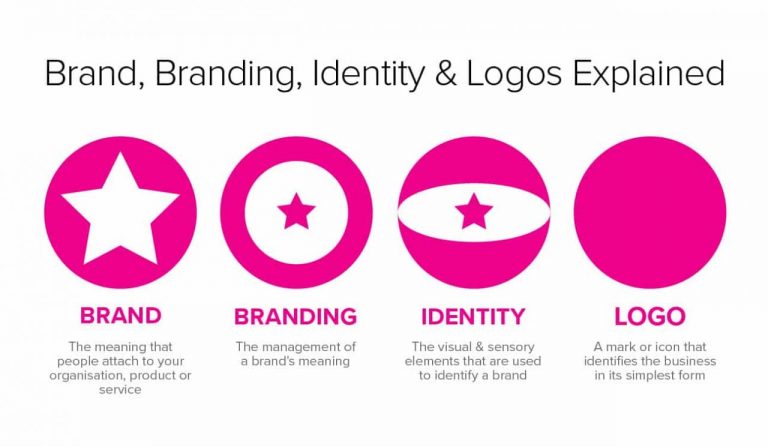
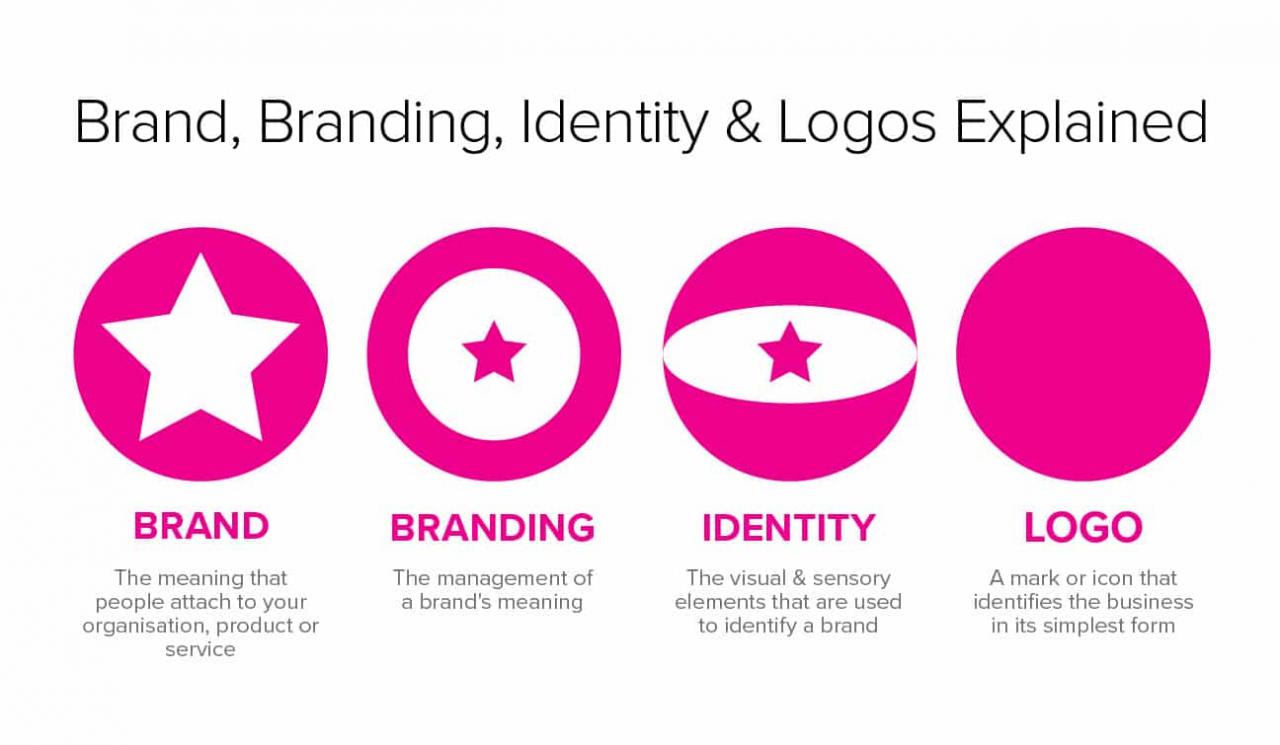
What Is Brand Identity? | The Branding Journal

In conclusion, branding iron ovens are more than just a tool; they are an investment in a business’s identity and future. By understanding their applications, operating procedures, and innovations, businesses can effectively harness the power of branding to stand out in a competitive market. As we embrace these advancements, the potential for enhancing product branding remains limitless.

Top FAQs

What materials can be used with a branding iron oven?

Branding iron ovens can be used on wood, leather, plastics, and some metals, depending on the specific design.

How long does it take to heat a branding iron oven?

Heating times can vary but generally take between 15 to 30 minutes to reach optimal branding temperatures.

Are there safety concerns with branding iron ovens?

Yes, safety precautions include wearing heat-resistant gloves and ensuring a safe operating distance from flammable materials.

Can branding iron ovens be customized?

Absolutely, many manufacturers offer customization options to fit specific branding needs and designs.

What are the maintenance tips for branding iron ovens?

Regular cleaning, checking heating elements, and ensuring proper storage can significantly prolong the life of a branding iron oven.

Iron Brand Jeans has become a staple in the denim market, symbolizing quality craftsmanship and modern style. With a rich history that reflects the evolution of fashion, this brand stands out by marrying comfort with distinctive design elements that appeal to a diverse audience. It’s not just about jeans; it’s about a lifestyle that resonates with those who value both form and function.

From the materials chosen to the ethical practices employed in production, Iron Brand Jeans is dedicated to sustainability while ensuring that every pair meets the high standards of their customers. With a wide variety of fits and styles, the jeans cater to different occasions and personal tastes, making them a versatile choice for any wardrobe.

Brand Overview

Iron Brand Jeans has carved a niche for itself in the denim industry since its inception, reflecting a commitment to quality and innovative design. Founded with a vision to provide durable and stylish jeans that cater to both rugged and contemporary lifestyles, Iron Brand has evolved over the years while staying true to its core principles. The brand’s journey showcases a blend of traditional craftsmanship and modern aesthetics, making it a favorite among denim enthusiasts.The mission of Iron Brand Jeans is to create high-quality denim wear that not only meets the functional needs of consumers but also embodies a sense of style and confidence.

The vision extends beyond just making jeans; it aims to redefine the denim experience by prioritizing sustainability and ethical practices. Iron Brand is dedicated to ensuring that each pair of jeans is produced with care, respecting both the environment and the people involved in the production process.

Key Values of Iron Brand

Iron Brand Jeans stands firm on several core values that shape its identity in the fashion industry. These values reflect a commitment to quality, sustainability, and community engagement. Below are the pivotal values that the brand embodies:

  • Quality Craftsmanship: Each pair of Iron Brand Jeans is meticulously crafted, ensuring durability and style that lasts.
  • Sustainability: The brand prioritizes eco-friendly materials and practices, striving to minimize its environmental footprint.
  • Innovation: Iron Brand embraces contemporary trends while honoring traditional techniques, offering products that resonate with modern lifestyles.
  • Community Engagement: The brand actively supports local communities and ethical labor practices, fostering a sense of responsibility in the fashion industry.
  • Authenticity: Iron Brand promotes genuine expression through its designs, encouraging customers to embrace their individuality.

Product Features

Iron Brand Jeans stand out in the crowded denim market due to their exceptional craftsmanship and thoughtful design. The combination of premium materials and innovative design features ensures that each pair offers not only style but also durability and comfort. This commitment to quality is evident in every aspect of the jeans, making them a favorite among those who appreciate both function and fashion.Iron Brand Jeans are crafted from high-quality materials that elevate their performance and longevity.

The primary fabric used is a premium cotton blend, which includes elements such as spandex for added stretch and comfort. This blend enhances mobility, allowing for ease of movement whether you’re on the go or simply lounging. Additionally, the denim undergoes a unique washing process that gives it a soft feel without sacrificing strength, making it resistant to wear and tear.

This attention to fabric selection ensures that the jeans maintain their shape and color even after multiple washes.

Materials and Benefits

The materials chosen for Iron Brand Jeans contribute significantly to their reputation for quality. Here’s an overview of the key components and their advantages:

  • Premium Cotton Blend: This blend offers a soft touch while providing breathability, making it suitable for year-round wear.
  • Spandex Inclusion: The addition of spandex allows for a comfortable stretch, ensuring the jeans move with the body for all-day comfort.
  • Durable Stitching: Reinforced seams are designed to withstand everyday use, preventing wear and prolonging the life of the jeans.
  • Unique Washing Techniques: Special washing processes enhance the softness and durability of the fabric without compromising quality.

Design Elements

Iron Brand incorporates unique design features that set their jeans apart from the competition. These elements not only enhance the aesthetic appeal but also add to the functionality:

  • Signature Pocket Design: The jeans feature a distinct stitching pattern on the pockets, adding a touch of flair and individuality.
  • Tailored Fit: A modern fit that flatters various body types while providing a comfortable silhouette.
  • Versatile Color Options: An array of washes and colors allows for easy pairing with different outfits, suitable for both casual and semi-formal occasions.
  • Eco-Friendly Finishing: Sustainable practices in dyeing and finishing processes highlight the brand’s commitment to the environment.

Sizing and Fit Options

Iron Brand Jeans offer a diverse range of sizes and fits to accommodate every body type and personal style. Understanding that the perfect fit is crucial for comfort and confidence, the brand provides:

  • Variety of Sizes: Available in a wide range of sizes, from small to plus sizes, ensuring inclusivity for all customers.
  • Fit Options: Choices ranging from slim fit to relaxed fit allow wearers to select the style that best suits their body shape and lifestyle.
  • Custom Fit Programs: Some styles may offer custom fit options, providing a tailored experience for those seeking an exact fit.
  • Size Guides: Detailed size charts are provided to assist customers in finding their ideal size, enhancing the shopping experience.

Target Audience

Iron Brand Jeans is designed for the modern individual who appreciates quality, durability, and style. The primary demographic includes young adults and professionals aged 25 to 40 years, who are looking for denim that not only fits well but also complements their active lifestyles and personal aesthetics. These consumers value authenticity and are often drawn to brands that reflect their values of sustainability and craftsmanship.The lifestyle and preferences of Iron Brand’s customers revolve around a blend of comfort and fashion.

They often engage in outdoor activities or social events, where a pair of stylish jeans is a necessity. This target audience is likely to be health-conscious, environmentally aware, and interested in fashion trends. They prefer versatile clothing that can transition seamlessly from day to night, making Iron Brand Jeans an ideal choice.

Demographic Characteristics

Understanding the demographic characteristics helps in tailoring marketing efforts effectively. Key aspects include:

  • Age Range: The core audience primarily consists of millennials and younger Gen X individuals, typically between 25 and 40 years old.
  • Gender: While Iron Brand Jeans caters to all genders, there is a significant focus on both men and women who seek stylish yet durable denim options.
  • Income Level: The target market generally has a middle to upper-middle income, allowing for discretionary spending on quality apparel.

Consumer Behavior Trends

Recognizing trends in consumer behavior is vital for Iron Brand’s marketing strategy. The following trends are particularly influential:

  • Sustainability: Customers are increasingly leaning towards brands that prioritize eco-friendly practices and sustainable materials.
  • Quality Over Quantity: There is a marked preference for investing in a few high-quality pieces rather than buying fast fashion items that may not last long.
  • Online Shopping: The rise of e-commerce has transformed how consumers purchase apparel, with many preferring the convenience of online shopping combined with social media engagement.

“Today’s consumers want brands that resonate with their values, offering products that are not just fashionable but also ethically made.”

In summary, Iron Brand Jeans connects with a target audience that values style, quality, and sustainability. By understanding the demographic characteristics and current consumer behavior trends, Iron Brand can effectively tailor its marketing strategies to meet the expectations of its customers while reinforcing brand loyalty.

Marketing Strategies

Iron Brand Jeans has established a unique marketing approach that effectively resonates with its target audience. The brand employs a blend of traditional and modern marketing techniques to create a strong presence in the competitive denim market. The promotional campaigns executed by Iron Brand Jeans focus heavily on their commitment to quality and sustainability, often highlighting their craftsmanship and environmental consciousness.

They leverage storytelling to create an emotional connection with consumers, showcasing how their products fit seamlessly into a lifestyle of adventure and durability. By promoting their jeans as more than just clothing, but as a symbol of resilience and authenticity, Iron Brand successfully captures the attention of potential customers.

Promotional Campaigns Analysis

Iron Brand Jeans engages in several promotional campaigns that emphasize their core values and product offerings. Key components of their marketing initiatives include:

  • Authenticity Campaigns: These focus on customer stories and real-life experiences, allowing buyers to see the jeans in action. This strategy helps foster community and loyalty.
  • Seasonal Promotions: Targeted discounts and bundles during holidays and events, ensuring maximum visibility and engagement during peak shopping periods.
  • Collaborations with Influencers: Partnering with lifestyle influencers to reach a broader audience through authentic endorsements. This approach increases brand visibility among niche markets.
  • Content Marketing: Regular blog posts and videos on their website and social media that educate consumers on denim care, style tips, and sustainable fashion.

Role of Social Media

Social media plays a pivotal role in Iron Brand’s marketing strategy, allowing them to engage with a diverse audience. Platforms like Instagram, Facebook, and TikTok are utilized to showcase new collections, behind-the-scenes content, and user-generated posts. The importance of social media can be Artikeld as follows:

  • Brand Awareness: Social media campaigns have significantly increased brand visibility and recognition.
  • Community Building: By fostering engagement through comments, shares, and user-generated content, Iron Brand cultivates a loyal customer base.
  • Real-Time Feedback: The brand benefits from immediate customer feedback on products and campaigns, enabling quick adjustments and enhancements.
  • Targeted Advertising: Social media allows for precise targeting of ads, ensuring that promotional content reaches potential customers based on their interests and behaviors.

Comparison of Marketing Tactics

To effectively illustrate Iron Brand Jeans’ marketing strategies in relation to competitors, a comparison table highlights the distinct approaches taken by various denim brands:

Brand Promotional Campaigns Social Media Engagement Sustainability Focus
Iron Brand Jeans Authenticity campaigns, seasonal promotions High engagement, influencer collaborations Strong emphasis on sustainable practices
Competitor A Traditional advertising, limited promotions Moderate engagement, minimal user interaction Basic sustainability messaging
Competitor B Discount-driven campaigns High following, average interaction rates Some sustainable initiatives

Through these marketing strategies, Iron Brand Jeans not only highlights its unique selling propositions but also effectively competes in the crowded denim market.

Sustainability Practices

At Iron Brand Jeans, sustainability is woven into our fabric. We are committed to ensuring that our production processes and materials not only meet the needs of our customers but also protect the planet. Our sustainability initiatives are designed to minimize our environmental impact while promoting ethical practices throughout our supply chain.Iron Brand sources its materials with care, prioritizing the use of organic and recycled fibers.

We work closely with suppliers who adhere to stringent ethical sourcing standards, ensuring that every piece of denim is produced under fair labor conditions. This commitment helps us build a responsible brand that our customers can trust.

Ethical Sourcing of Materials

The importance of ethical sourcing cannot be overstated. It lays the foundation for sustainable fashion practices and contributes to better working conditions and environmental stewardship. Iron Brand Jeans prioritizes materials that are not only high-quality but also responsibly sourced.

  • We exclusively use organic cotton that is grown without harmful pesticides or synthetic fertilizers, promoting biodiversity and soil health.
  • Our denim is dyed using water-efficient techniques that reduce water consumption by up to 80%, compared to conventional dyeing processes.
  • We incorporate recycled materials into our products, such as polyester made from post-consumer plastic bottles, giving new life to waste and reducing landfill contributions.

Eco-Friendly Production Practices

Iron Brand Jeans implements several eco-friendly practices in its production processes, focusing on reducing waste and energy consumption. Each step is designed with sustainability in mind, demonstrating our commitment to protecting the environment.To illustrate some key practices:

Water Management

Our facilities utilize advanced water recycling systems that treat and reuse water in the manufacturing process, significantly cutting down on fresh water usage.

Energy Efficiency

We have invested in renewable energy sources, such as solar panels, to power our factories. This initiative not only lowers our carbon footprint but also reduces operational costs.

Waste Reduction

We have adopted a zero-waste philosophy by recycling scraps and producing upcycled products from leftover materials, ensuring that nothing goes to waste.Additionally, our packaging is made from 100% recycled materials, and we encourage our customers to recycle or repurpose it after use. This holistic approach to sustainability not only reflects our dedication to the environment but also inspires our customers to make more conscious choices in their fashion consumption.

Customer Reviews and Feedback

Customer feedback plays a pivotal role in understanding the strengths and weaknesses of Iron Brand Jeans. By analyzing what customers have to say, we can gain valuable insights into their experiences, preferences, and suggestions for improvement. This collective voice not only shapes the brand’s image but also enhances future product iterations.The testimonials from customers reflect a diverse range of experiences, which include both commendations and criticisms.

Many fans of Iron Brand Jeans express their satisfaction with the quality, comfort, and style of the products. Conversely, some customers highlight areas where they believe improvements could be made. These insights are crucial for the brand to continue evolving and meeting the expectations of its audience.

Key Themes in Customer Feedback

Understanding customer sentiment is essential for any brand, and Iron Brand Jeans is no exception. The following points summarize the key takeaways based on customer reviews:

  • Quality Construction: Numerous customers commend the durability and quality of the materials used in Iron Brand Jeans, often noting that these jeans withstand regular wear and tear exceptionally well.
  • Comfort Fit: Many users praise the comfort of the jeans, particularly highlighting the stretchability and overall fit, which allow for ease of movement throughout the day.
  • Stylish Design: Customers frequently mention the trendy and contemporary designs that cater to various tastes, making Iron Brand Jeans a fashionable choice.
  • Size Inclusivity: Positive reviews often mention the range of sizes available, catering to a diverse audience and promoting body positivity.
  • Customer Service: Some customers have expressed dissatisfaction with customer service response times, indicating that timely support could enhance the overall purchasing experience.
  • Price Point: While many agree that the jeans are worth their price, some customers feel that they could be more affordable, especially in comparison to similar products in the market.

“These jeans are not only stylish but also incredibly durable. I’ve had mine for over a year, and they still look brand new!”

Satisfied Customer

Style Guides

Iron Brand Jeans are not just an item of clothing; they are a versatile staple that can elevate any outfit. Whether you’re dressing for a casual day out, a night on the town, or a cozy weekend at home, these jeans provide the perfect foundation for numerous styles. With their unique designs and high-quality materials, styling Iron Brand Jeans can be both fun and effortless.Pairing Iron Brand Jeans with various clothing items allows for an array of fashionable looks.

From sharp button-down shirts to laid-back hoodies, the combinations are endless. Below, you will find various outfit ideas categorized by season, showcasing how to incorporate Iron Brand Jeans into your wardrobe effectively.

Outfit Ideas for Different Seasons

The following table offers a selection of outfit ideas that creatively pair Iron Brand Jeans with seasonal clothing items. Each outfit is designed to highlight the versatility of the jeans while ensuring you stay stylish and comfortable throughout the year.

Season Outfit Idea Details
Spring Casual Chic Lightweight floral blouse paired with Iron Brand Skinny Jeans and sandals.
Summer Beach Ready Graphic tee with Iron Brand Distressed Jeans and flip-flops.
Fall Layered Look Cable-knit sweater over Iron Brand Straight-Leg Jeans with ankle boots.
Winter Cozy & Warm Thermal long-sleeve top with Iron Brand Bootcut Jeans and a puffer jacket.

Styling Iron Brand Jeans allows for endless creativity, making them the perfect base for any stylish look.

Dressing up your Iron Brand Jeans doesn’t have to be complicated. For a polished look, consider pairing them with a tailored blazer and a crisp white shirt. This setup is perfect for casual Fridays at the office or dinner dates. On the other hand, for a relaxed vibe, pairing the jeans with a loose-fitting graphic tee and a denim jacket will keep you comfortable while showcasing your personality.

The choice is yours, and with Iron Brand Jeans, you can easily switch from one style to another as the occasion demands.

Comparison with Competitors

In the competitive market of denim brands, Iron Brand Jeans stands out with its unique offerings. Understanding how Iron Brand compares with other players in the industry can provide valuable insights into its market position, strengths, and areas for improvement. This analysis considers key competitors, examining their features, pricing, and customer satisfaction to ascertain where Iron Brand fits within this landscape.The denim industry features several noteworthy competitors, each with distinct characteristics that appeal to various customer segments.

To evaluate Iron Brand’s market stance effectively, it is essential to consider a range of factors including product durability, pricing strategies, and customer feedback. Below, we present a detailed comparison table that illustrates these aspects between Iron Brand and its main competitors.

Comparison Table of Features, Pricing, and Customer Satisfaction

The following table encapsulates the essential elements of Iron Brand Jeans and its main competitors, illustrating how they measure up against each other.

Brand Features Pricing (USD) Customer Satisfaction (1-5)
Iron Brand Durable, eco-friendly, various styles $80-$120 4.5
Levi’s Classic fits, wide size range, iconic styles $60-$130 4.0
Wrangler Western styles, rugged durability, affordability $50-$100 3.8
Lee Comfortable fits, affordable, various styles $40-$90 4.1

The table above highlights key distinguishing features, pricing, and customer satisfaction ratings, which are crucial factors influencing consumer decisions. It becomes evident that while Iron Brand positions itself as a premium option with a strong focus on sustainability and quality, competitors like Levi’s and Wrangler appeal to a broader audience with varied pricing and style offerings.

“Iron Brand’s commitment to sustainability and quality sets it apart in a crowded market.”

Examining the strengths and weaknesses of Iron Brand in relation to its competitors reveals both opportunities and challenges. Iron Brand’s strengths lie in its focus on eco-friendly practices and superior quality, which resonate well with environmentally conscious consumers. Furthermore, its customer satisfaction ratings indicate a loyal customer base who appreciate the brand’s unique offerings.However, Iron Brand may face challenges in terms of pricing, which tends to be on the higher end compared to some competitors.

This pricing strategy may limit its appeal among budget-conscious consumers who prioritize affordability over brand values.In conclusion, the comparison with competitors illustrates that Iron Brand Jeans occupies a unique niche within the denim market. By emphasizing quality and sustainability, it caters to a specific demographic that values these attributes, while still facing competitive pressure from brands that offer a broader range of options at various price points.

Future Trends

As the denim industry evolves, new trends emerge that redefine consumer preferences and manufacturing processes. Iron Brand Jeans recognizes these shifts and actively adapts to ensure they remain at the forefront of the market. Analyzing current trends allows the brand to anticipate changes in consumer behavior and prepare for future demands, ensuring continued relevance in a competitive landscape.One significant trend in the denim industry is the increasing consumer demand for sustainable and ethically produced products.

This trend is born from heightened awareness of environmental issues and the social impacts of manufacturing practices. Iron Brand is leveraging this shift by integrating sustainable materials, such as organic cotton and recycled fibers, while maintaining high-quality standards.

Sustainable Production Methods

The push for sustainability has led to innovative production methods that reduce environmental impact. Iron Brand is focusing on the following key areas:

  • Water Conservation: Implementing techniques like closed-loop water systems to minimize water usage during denim production.
  • Eco-Friendly Dyes: Using natural dyes and minimizing harmful chemicals in the dyeing process to enhance environmental safety.
  • Recycling Initiatives: Encouraging consumers to return old jeans for recycling, turning waste into new products and reducing landfill contributions.

Additionally, consumer preferences are shifting towards versatile and functional styles. Iron Brand is responding by designing jeans that cater to various occasions, from casual wear to more formal settings. This adaptability not only meets the evolving tastes of consumers but also opens up new market segments.

Customization and Personalization Trends

Personalization is becoming a major factor in the denim market, with consumers seeking unique products that reflect their individual styles. Iron Brand is exploring options to offer customizable features, enhancing the customer experience. Potential developments include:

  • Tailored Fits: Offering a range of fits that cater to different body types and preferences.
  • Personalized Design Options: Allowing customers to choose details such as stitching color and pocket styles.
  • Limited Edition Collections: Collaborating with artists or influencers to create exclusive designs, appealing to style-conscious consumers.

Finally, the rise of digital platforms is transforming how consumers shop for denim. E-commerce has become essential, and Iron Brand is enhancing its online presence through user-friendly websites and targeted social media marketing. By leveraging these platforms, they are able to reach a broader audience and engage with consumers directly.

“Adapting to trends in the denim industry is not just about staying current; it’s about shaping the future of fashion responsibly.”

As Iron Brand Jeans continues to explore these future trends, they position themselves for growth while remaining committed to sustainability and consumer satisfaction. The brand’s proactive approach in embracing these changes ensures that they not only meet current demands but also set the stage for the future of denim.

Final Review

Sources of Iron

In summary, Iron Brand Jeans is more than just a clothing item; it’s a representation of a movement towards sustainable fashion without compromising on style. As the brand continues to innovate and adapt to industry trends, it remains committed to its core values, ensuring that customers feel good about their choices while looking great. Whether dressing up or down, Iron Brand Jeans offers something for everyone, solidifying its place in the future of fashion.

FAQ Insights

What makes Iron Brand Jeans different from others?

Iron Brand Jeans focuses on sustainable materials, unique designs, and a variety of fits that cater to modern trends.

Are Iron Brand Jeans true to size?

Yes, Iron Brand Jeans typically run true to size, with detailed sizing guides available to help customers choose the right fit.

How should I care for my Iron Brand Jeans?

To maintain their quality, it’s best to wash Iron Brand Jeans in cold water and hang them to dry, avoiding harsh detergents.

Does Iron Brand have a warranty or return policy?

Yes, Iron Brand offers a warranty on their jeans and a customer-friendly return policy for unsatisfied customers.

What is the price range for Iron Brand Jeans?

The price for Iron Brand Jeans typically ranges from $70 to $150, depending on the style and features.

Branding iron easter brunch is not just about delicious food; it’s an opportunity to create unforgettable experiences that linger in the minds of guests. The significance of branding in such events cannot be overstated, as it sets the tone, attracts attendees, and differentiates your brunch from others. Through strategic branding, you can elevate a simple gathering into a festive celebration that resonates with the spirit of Easter.

As we delve deeper into this topic, we’ll explore the essential components of effective branding, the design of thematic branding irons, and the marketing strategies that can amplify your brunch event’s reach. We’ll also discuss how to engage guests through interactive experiences and evaluate the impact of branding on satisfaction and loyalty.

Importance of Branding in Easter Brunch Events

Branding plays a critical role in establishing a unique identity for Easter brunch events, influencing how potential guests perceive and engage with the experience. A well-crafted brand can evoke emotions, build trust, and create lasting memories associated with the event, setting it apart from the competition. In an age where consumers are bombarded with choices, effective branding can be the key to standing out and attracting attendees.Branding not only helps in establishing a distinct presence in the market but also communicates the values and atmosphere of the event.

It encompasses everything from the event name and logo to the choice of colors, typography, and overall theme, all of which work together to create a cohesive experience. By presenting a strong brand, event organizers can ensure that their Easter brunch resonates with the target audience and fosters a sense of community and celebration.

Successful Branding Strategies in Easter Brunches

Implementing successful branding strategies can significantly enhance the appeal of Easter brunch events. Here are some noteworthy strategies:

  • Thematic Consistency: A consistent theme that reflects the spirit of Easter, such as spring florals or pastel colors, can create a visually appealing and immersive environment. This includes decorations, table settings, and even promotional materials that align with the theme.
  • Creative Naming: Choosing a memorable and descriptive name for the brunch can help create intrigue. For instance, names like “Bunny Brunch Bash” or “Egg-cellent Feast” can attract attention and convey a fun atmosphere.
  • Engaging Social Media Presence: Utilizing social media platforms to showcase behind-the-scenes preparations, menu highlights, and guest experiences can enhance brand visibility. Regular updates and engaging content help build anticipation and excitement around the event.
  • Collaborations with Local Businesses: Partnering with local bakeries, florists, or artisans can not only enrich the brunch experience but also create a sense of community. Examples include featuring locally-sourced ingredients in the menu or showcasing local crafts as decor.
  • Interactive Experiences: Incorporating activities such as egg decorating stations or photo booths can enhance guest engagement and make the event more memorable. These experiences become part of the brand narrative, encouraging attendees to share their experiences on social media.

Successful Easter brunch events often leverage these strategies to create a cohesive and appealing brand experience. For instance, the “Spring Fling Brunch” at a local hotel integrated floral arrangements, seasonal menus, and live music, resulting in high attendance and positive feedback. This illustrates how effective branding can cultivate a loyal customer base and elevate the overall success of the event.

Elements of Effective Branding for Easter Brunch

The branding of an Easter brunch plays a pivotal role in shaping guest perceptions and experiences. Effective branding creates a memorable atmosphere that resonates with the theme of the occasion, enhancing guest engagement and satisfaction. Understanding and implementing key branding elements can significantly elevate the overall event, ensuring that it stands out in a crowded marketplace.Color, typography, and imagery are fundamental components of effective branding, each serving a unique purpose in shaping guest perceptions.

Colors evoke emotions and set the tone for the event. For example, pastel colors like soft pinks, blues, and yellows are often associated with Easter and springtime, creating a warm and inviting atmosphere. Typography must align with the overall theme, conveying elegance or playfulness as needed. Imagery is also crucial; high-quality visuals of food, decor, and the overall setting can attract guests and enhance the aesthetic appeal of marketing materials.

Key Components Influencing Guest Perception

Several key components contribute to effective branding that influences how guests perceive an Easter brunch event. These components include:

  • Consistent Brand Identity: A cohesive brand identity across all materials reinforces recognition and trust.
  • Distinctive Logo: A unique logo can create a memorable impression, serving as a visual anchor for the event.
  • Engaging Tagline: A catchy tagline encapsulates the event’s essence, making it easy for guests to remember.

Use of Color, Typography, and Imagery

The strategic use of color, typography, and imagery is essential in creating an impactful branding experience. These elements work together to create a harmonious visual language that resonates with guests.

Color

Soft pastels symbolize renewal and joy, making them ideal for Easter brunch. Incorporating floral patterns and vibrant accents can add depth and excitement.

Typography

Choose fonts that align with the event’s theme. For a formal brunch, elegant serif fonts can convey sophistication, while playful sans-serif fonts may suit a more casual gathering.

Imagery

Utilize high-resolution images showcasing the food, decor, and ambiance. Pictures of beautifully arranged tables, colorful egg displays, and inviting brunch dishes can entice potential guests.

Essential Branding Materials

To effectively communicate your branding, certain materials are essential. These materials not only promote the event but also enhance the guest experience. Key branding materials for an Easter brunch include:

  • Menus: A visually appealing menu that reflects the branding theme can excite guests about the offerings.
  • Invitations: Invitations should mirror the tone and aesthetics of the brunch, whether it’s casual or upscale, setting expectations for the event.
  • Signage: Clear and attractive signage helps guide guests, ensuring a smooth experience from arrival to departure.
  • Table Settings: Decor that aligns with the branding theme, such as custom table runners or centerpiece designs, enhances the overall atmosphere.

“Effective branding is not just about a logo; it’s about creating an experience that resonates with your guests and leaves a lasting impression.”

Designing a Branding Iron for Easter Brunch

Creating a unique branding iron for Easter brunch is an engaging way to elevate your event’s identity while adding a personal touch. The design process allows you to infuse the spirit of Easter into the branding, ensuring that every bite reflects the festive theme. Crafting an effective branding iron involves several considerations, from choosing the right imagery to selecting suitable materials that can withstand the heat of the culinary creations.When designing a branding iron specific to Easter themes, start by brainstorming symbols that resonate with the holiday.

Common motifs include Easter eggs, bunnies, flowers, and religious symbols like crosses. Once you have chosen your imagery, sketch out a design that captures the essence of Easter while being simple enough to translate well onto food. The size of the branding iron should be practical, allowing it to fit comfortably on various food items, whether it’s a roast, bread, or even butter.

Materials and Techniques for Crafting Branding Irons

The choice of materials and techniques is crucial in the production of a branding iron, as they must be able to endure high temperatures without compromising the quality of the imprint. Here’s a breakdown of commonly used materials and techniques:

  • Steel: Stainless steel is a popular choice due to its durability and corrosion resistance. It can withstand high temperatures and provides a clean, sharp imprint.
  • Copper: Copper branding irons heat up quickly and offer excellent heat conductivity. They are often used for smaller designs and can give a vintage feel.
  • Wooden Handles: When designing a branding iron, incorporating a heat-resistant wooden handle can provide a comfortable grip while preventing burns during use.

Crafting techniques may vary, but the most common methods include:

  • Laser Engraving: This modern technique allows for intricate designs to be etched into the branding surface with precision.
  • Hand Forging: A traditional approach where artisans shape and create branding irons manually, allowing for unique designs and craftsmanship.

Incorporating Branding Elements into Food Presentation

Integrating branding elements into food presentation enhances the overall experience and reinforces your Easter brunch theme. By creatively applying branding to various dishes, you can create a cohesive aesthetic that delights guests. Here are some ideas to consider:

  • Branded Breads or Rolls: Use the branding iron to imprint your Easter design on freshly baked breads or rolls, providing a delightful visual and tasty treat.
  • Charcuterie Boards: Incorporate branded wooden boards for serving cheese and meats, enhancing the presentation and tying in the branding theme.
  • Butter and Spreads: A branding iron can be used to create an imprint on blocks of butter or spreads, making them more appealing on the table.

Implementing these branding ideas not only enhances the visual appeal of your Easter brunch but also engages guests, making the event memorable and unique.

Marketing Strategies for Easter Brunch Branding

Promoting an Easter brunch event requires a blend of creativity, strategic thinking, and community engagement. Effective marketing not only draws attention but helps to build a memorable brand presence that resonates with guests. By employing targeted strategies, businesses can enhance their visibility and foster a festive atmosphere that aligns with the Easter holiday.A multi-faceted approach to marketing is crucial for the success of an Easter brunch.

This includes leveraging social media platforms and forming collaborations with local businesses. The goal is to create an immersive experience that not only attracts attendees but also encourages them to share their experiences, amplifying the event’s reach.

Social Media Promotion for Branded Brunch Experiences

Social media serves as a powerful tool for promoting branded events, enabling venues to engage with their audience in real time. It’s important to utilize various platforms to create excitement and anticipation around the Easter brunch.

Effective social media marketing can significantly increase engagement and attendance at events through targeted outreach and interactive content.

Strategies for social media promotion include:

  • Visual Content: High-quality images and videos showcasing the brunch setup, dishes, and decor create an inviting atmosphere. An eye-catching visual post can capture attention more effectively than text alone.
  • Event Hashtags: Create a unique hashtag for the brunch event to encourage guests to share their experiences online. This helps consolidate user-generated content and promotes the event organically.
  • Behind-the-Scenes Content: Share stories or posts that highlight the preparation and creativity involved in planning the brunch. This gives followers a personal connection to the event and builds anticipation.
  • Live Updates: Use live video or stories during the event to engage followers in real time, showcasing the vibrant atmosphere and encouraging last-minute attendance.

Collaborating with Local Businesses for Enhanced Branding

Collaboration with local businesses can amplify marketing efforts for an Easter brunch. Partnering with complementary brands not only enriches the event experience but also broadens the reach of promotions.

Collaborative marketing creates mutual benefits, driving attendance and enhancing the overall brand image of participating businesses.

Consider the following strategies for effective collaboration:

  • Sponsorships: Approach local farms, bakeries, or florists to sponsor specific aspects of the brunch. This could be in the form of food donations, floral arrangements, or promotional giveaways.
  • Joint Promotions: Work with local businesses to create cross-promotional offers, such as discounts or bundle deals, that reward customers for attending both the brunch and visiting the partner store.
  • Collaborative Events: Host joint events with local artisans or chefs who can contribute to the brunch’s menu or offer workshops. This unique experience can attract a diverse audience and enrich the event’s branding.
  • Community Marketing: Engage in community events or fairs to promote the brunch ahead of time. Having a presence at local gatherings can create buzz and foster relationships within the community.

Case Studies of Successful Easter Brunch Branding

Demystifying Brand Analysis vs. Brand Strategy: A Comprehensive Guide ...

The significance of effective branding during Easter brunch events cannot be overstated, as it directly influences guest engagement, perception, and overall experience. By examining successful case studies, we can identify key strategies that have resonated with guests and set certain events apart from the competition. This analysis highlights the various methodologies that have contributed to memorable and branded Easter brunches.

Case Study: The Blooming Brunch at The Grand Hotel

The Grand Hotel hosted a renowned Easter brunch known as “The Blooming Brunch,” which focused on a floral theme that resonated with the season. The hotel effectively utilized its beautiful gardens, creating an immersive experience for guests. The branding strategy revolved around elegant floral displays, pastel color palettes, and menu items named after flowers.

  • Immersive Environment: Decor included blooming centerpieces and floral arrangements that visually integrated with the ambiance of the brunch.
  • Branded Menu: Each dish was named after a flower, enhancing the theme and creating a cohesive experience. For example, “Daisy Delight Pancakes.”
  • Engagement Activities: Guests participated in flower arranging workshops, further enriching the brunch experience.

“An experience is not just enjoyed; it’s remembered. Theming can elevate a brunch into a memorable event.”

Case Study: The Easter Feast at The Vintage Farmhouse

The Vintage Farmhouse took a rustic approach to its branding with “The Easter Feast,” emphasizing local produce and family-style dining. The branding hinged on community involvement, sourcing ingredients from local farms, which not only supported the local economy but also enriched the menu.

  • Local Sourcing: Each item on the brunch menu featured locally-sourced ingredients, enhancing freshness and quality.
  • Social Media Integration: Guests were encouraged to share their experiences online using a dedicated hashtag, which increased engagement and visibility.
  • Interactive Experiences: The venue included a petting zoo and craft stations for children, appealing to families and adding value to the event.

“Local connections foster a sense of community that translates into loyalty and enthusiasm for future events.”

Comparison of Branding Approaches

When comparing these two successful brunches, key differences in branding approach become clear. The Blooming Brunch emphasized visual aesthetics and immersive experiences, appealing to guests’ senses through decor and thematic elements. In contrast, The Easter Feast centered on community engagement and local sourcing, creating a feeling of warmth and family connection.

  • Aesthetic vs. Community Focus: The Blooming Brunch attracted guests with its stunning visuals, while The Easter Feast resonated with those seeking connection and sustainability.
  • Target Audience: The former catered to a more upscale clientele, while the latter appealed to families and local community members.
  • Engagement Strategies: The Blooming Brunch focused on experiential dining, whereas The Easter Feast emphasized interactive activities.

“Understanding your audience is crucial in defining your branding approach; it shapes every aspect of the event.”

Engaging Guests through Branded Experiences

Creating engaging and memorable experiences is crucial for branding during Easter brunch events. A well-executed branded experience not only enhances guest enjoyment but also fosters a deeper connection to the brand, making it more likely that guests will share their positive experiences with others. To effectively engage guests, hosts can implement interactive elements that resonate with the theme of the brunch and encourage active participation.One of the key aspects of successful branding is to provide guests with opportunities to interact with the brand in meaningful ways.

This can be achieved through various methods that leverage the festive spirit of Easter brunch. Consider incorporating themed activities that reflect the brand’s identity while also appealing to the interests of your guests.

Implementing Interactive Activities

Incorporating themed activities can create an engaging atmosphere that aligns with the branding of the Easter brunch. These activities should encourage guest participation and enhance their overall experience. Here are some ideas on how to implement interactive experiences:

  • Branded Photo Booth: Set up a photo booth with Easter-themed props and a backdrop that features your brand logo or colors. Guests will enjoy taking photos, and these images can be shared on social media, promoting your brand further.
  • Easter Egg Hunt: Organize an Easter egg hunt featuring eggs that represent different aspects of your brand. Include special prizes or giveaways for those who find specific eggs, creating excitement and engagement.
  • Interactive Stations: Create DIY food or drink stations where guests can customize their brunch items. This could include a pancake bar, mimosa station, or a cupcake decorating area, all branded with your logo or colors.
  • Live Entertainment: Hire entertainers who align with your brand theme, such as musicians, magicians, or themed characters that can interact with guests, enhancing the overall experience.
  • Feedback Stations: Set up a station for guests to share their feedback about the event. This can be done through digital surveys or interactive boards where guests can leave comments. This not only engages guests but also provides valuable insights for future branding efforts.

Engaging guests through these activities fosters a sense of community and belonging while reinforcing the brand’s identity.

“Guest feedback is a powerful tool that shapes the direction of branding efforts, allowing for improvements and tailored experiences.”

Understanding guest feedback is also vital in shaping branding efforts. Feedback helps identify what elements of the brunch resonated most with guests and what could be improved in future events. Implementing changes based on this feedback demonstrates that the brand values guest opinions, enhancing loyalty and satisfaction.Using insights gained from guest interactions and feedback, hosts can continuously refine their branding strategies to resonate more with their audience.

This iterative process not only strengthens the brand’s presence but also enhances guest loyalty, leading to word-of-mouth promotion and repeat attendance at future events.

Evaluating the Impact of Branding on Guest Satisfaction

The effectiveness of branding at Easter brunch events can significantly influence guest satisfaction. By carefully evaluating the brand’s impact, organizers can identify areas of improvement and strengthen their overall guest experience. This assessment is essential for fostering loyalty and encouraging repeat attendance at future events.Branding shapes the perception that guests have of an event, affecting not only their immediate experience but also their likelihood of returning.

A well-executed brand strategy can create a memorable atmosphere, resonate with attendees on a personal level, and enhance their overall enjoyment. Successful branding can lead to greater guest loyalty, transforming casual visitors into devoted patrons.

Metrics for Assessing Branding Effectiveness

To evaluate the impact of branding on guest satisfaction, it’s crucial to measure specific metrics that reflect the attendees’ experiences and perceptions. Key metrics that can provide insights include:

  • Net Promoter Score (NPS): This metric gauges guest willingness to recommend the brunch event to others. A high NPS indicates strong brand loyalty and satisfaction.
  • Customer Satisfaction Score (CSAT): This score measures overall guest satisfaction through direct feedback, often collected via post-event surveys.
  • Brand Recall: Assessing how well guests remember the branding elements, such as logos, themes, and messages, can indicate the effectiveness of the branding strategy.
  • Social Media Engagement: Analyzing likes, shares, and comments related to branding can provide insights into guest sentiment and engagement.
  • Repeat Attendance Rates: Tracking how many guests return for future events can help measure brand loyalty and satisfaction over time.

Influence of Branding on Guest Loyalty

Branding not only impacts immediate guest satisfaction but also fosters long-term loyalty. Guests who connect emotionally with the brand are more likely to return and spread the word about their positive experiences. Consistent branding creates familiarity, which is reassuring for guests, enhancing their overall enjoyment.The power of branding lies in its ability to create memorable experiences. For instance, a brunch event that features unique branding elements—like themed décor, signature dishes, and personalized service—can leave a lasting impression.

This emotional connection can be quantified through increased repeat visits and recommendations.

Strategies for Gathering Guest Feedback

Collecting and analyzing guest feedback is vital for understanding the impact of branding. Effective strategies for gathering insights include:

  • Post-Event Surveys: Distributing surveys immediately after the event can capture fresh impressions and feedback on branding elements.
  • Focus Groups: Organizing small group discussions with attendees can provide in-depth insights into their perceptions of the branding.
  • Online Reviews: Monitoring reviews on platforms like Yelp or Google can reveal guests’ thoughts on branding and areas for improvement.
  • Social Media Listening: Engaging with guests on social media and listening to their conversations can uncover valuable feedback regarding branding effectiveness.
  • Incentivized Feedback: Offering incentives, such as discounts for future events, can encourage guests to provide more detailed feedback on branding experiences.

Last Recap

In conclusion, mastering the art of branding for your Easter brunch can transform it into a remarkable occasion that guests will cherish. By implementing thoughtful branding strategies and fostering guest engagement, you not only enhance the overall experience but also build lasting connections that can turn a one-time event into a beloved tradition. Embrace the power of branding to make your Easter brunch stand out and truly memorable.

Query Resolution

What is the importance of branding for an Easter brunch?

Branding creates memorable experiences and helps differentiate your event from others, enhancing guest engagement and loyalty.

How can I design a branding iron for my brunch?

The design process involves choosing Easter themes, selecting materials, and incorporating branding elements into food presentation.

What branding materials should I prepare for an Easter brunch?

Essential materials include menus, invitations, signage, and any decorative items that reflect your branding theme.

How can social media help in branding my Easter brunch?

Social media platforms can effectively promote your event, showcase branded experiences, and engage with potential attendees.

What metrics can I use to evaluate branding effectiveness at my event?

Metrics can include guest satisfaction surveys, attendance rates, and feedback on branding elements and experiences.

Branding Zimbabwe serves as a vital narrative that intertwines local culture with innovative business strategies, inviting both entrepreneurs and consumers to explore the unique identity of brands emerging from this vibrant nation.

Understanding the fundamentals of branding, the current landscape in Zimbabwe, and the cultural influences at play is essential for anyone looking to navigate and succeed in this dynamic market. From established brands to those just starting out, this discussion aims to shed light on the opportunities and challenges that define branding in Zimbabwe today.

Branding Fundamentals

Branding is a critical aspect of business that extends beyond mere logos and taglines; it embodies the essence of a company and its values. A strong brand resonates with consumers, builds trust, and sets a business apart in a competitive market. Effective branding can influence customer perceptions, drive loyalty, and ultimately contribute to a company’s success.The importance of branding lies in its ability to create an emotional connection between the business and its audience.

It goes hand-in-hand with marketing and customer experience, effectively communicating what a brand stands for and what it promises to deliver. This recognition often leads to customers choosing a particular brand over others, even in saturated markets.

Effective Branding Strategies

Numerous companies have successfully implemented branding strategies that have significantly impacted their market presence. Some noteworthy examples include:

  • Coca-Cola: Known for its iconic red and white branding, Coca-Cola has created a narrative around happiness and sharing, elevating its brand beyond just a beverage to a global symbol of joy.
  • Apple: With a focus on innovation, design, and user experience, Apple has cultivated a brand that represents cutting-edge technology and premium quality, often leading to a loyal customer base.
  • Nike: The “Just Do It” slogan and their consistent messaging around empowerment and performance have positioned Nike not just as an athletic brand but as a lifestyle choice for athletes and enthusiasts alike.

Each of these brands exemplifies how a clear identity and strategic messaging can create a powerful market presence.

Components of Successful Brand Identity

Creating a successful brand identity involves several key components that must work together cohesively. Understanding these elements can help businesses craft a memorable brand experience:

  • Logo: A unique symbol or design that represents the brand, making it easily recognizable.
  • Color Palette: Colors evoke emotions and associations; a well-chosen palette can influence how a brand is perceived.
  • Typography: The style and appearance of text used in branding materials that contributes to overall brand personality.
  • Brand Voice: The tone and style of communication that reflects the brand’s personality, ensuring consistent messaging across all platforms.
  • Tagline: A memorable phrase that encapsulates the essence of the brand, enhancing recognition and recall.

By harmonizing these elements, a brand can ensure a strong presence in the market.

“Branding is the process of connecting good strategy with good creativity.” — Malcolm Gladwell

The State of Branding in Zimbabwe

Branding in Zimbabwe is experiencing a dynamic transformation as businesses and organizations adapt to both local and global market demands. In a nation where economic challenges have historically impacted brand visibility and consumer engagement, there are signs of shifting paradigms that signal growth opportunities for innovative branding strategies. The current landscape of branding in Zimbabwe reveals a blend of traditional approaches and modern digital strategies, with a noticeable increase in brand awareness among consumers.

Recent statistics indicate that approximately 65% of Zimbabwean consumers can identify at least three local brands, reflecting a growing engagement with homegrown enterprises. This rise in brand recognition is fueled by the increasing accessibility of the internet and mobile technology, allowing brands to reach consumers more effectively.

Local Branding Efforts Compared to Other Developing Countries

Zimbabwe’s branding efforts can be juxtaposed with those in other developing countries, highlighting both unique challenges and opportunities. Several key factors contribute to the state of branding in Zimbabwe compared to its peers:

Economic Environment

Zimbabwe’s economy has faced significant challenges, yet local brands are emerging resiliently. For instance, companies like Econet Wireless have effectively leveraged their brand to become synonymous with communication services in Zimbabwe, showcasing how local brands can thrive despite economic adversities.

Digital Adoption

The adoption of digital marketing strategies in Zimbabwe is on the rise, with a reported 47% of businesses utilizing social media for branding purposes. This is comparable to other developing nations like Kenya, where digital branding is also prevalent among local firms, enhancing brand visibility.

Cultural Relevance

Zimbabwean brands increasingly focus on cultural relevance and local narratives. For example, brands like Delta Beverages have embraced local culture in their marketing campaigns, which resonates well with consumers and strengthens brand loyalty—a strategy that mirrors successful branding practices in South Africa.

Consumer Behavior

Research shows that 70% of Zimbabwean consumers prefer locally produced goods over foreign brands, reflecting a strong sense of national pride. This trend is similar to consumer behavior in markets like India, where local brands are favored for their perceived quality and cultural affinity.

Brand Innovation

Zimbabwean brands are beginning to adopt innovative practices similar to those seen in countries like Nigeria, where brands actively engage in storytelling and community involvement. This approach has been exemplified by companies like OK Zimbabwe, which has initiated programs that resonate with community values and needs.

“Branding is not just about logos or advertisements; it’s about creating a lasting relationship with consumers.”

Overall, the state of branding in Zimbabwe reflects a nuanced landscape marked by resilience, innovation, and an increasing shift toward consumer-centric strategies. As local brands continue to evolve, they present significant opportunities for growth and engagement within the ever-changing economic framework.

Cultural Influences on Branding in Zimbabwe

Zimbabwe’s rich tapestry of cultural heritage plays a pivotal role in shaping branding strategies within the country. As brands navigate the competitive landscape, understanding and integrating local cultural elements becomes essential for connection and resonance with consumers. The country’s diverse indigenous practices, languages, and symbols embody the values and beliefs of its people, thus making them crucial for effective branding.Cultural influences are not just decorative; they are foundational elements that can dictate consumer preferences and perceptions.

A brand that aligns itself with the cultural narrative of its audience is more likely to foster loyalty and trust. For instance, employing traditional symbols and practices in branding not only honors the heritage of Zimbabweans but also creates a sense of belonging among consumers. This is particularly relevant in a market where authenticity is highly prized.

Traditional Symbols and Practices in Branding

In Zimbabwe, various traditional symbols and practices can be leveraged to enhance brand identity and appeal. These elements are deeply rooted in the community and can evoke strong emotional responses. The following are some traditional symbols and practices that brands can incorporate:

  • Shona Sculptures: The intricate stone carvings known as Shona sculptures are a profound representation of Zimbabwean artistry. Brands that feature these sculptures in their promotional materials or product designs can resonate with local pride and appreciation for culture.
  • Mbira Music: The mbira, or thumb piano, is central to many Zimbabwean cultural ceremonies. Integrating mbira sounds into promotional content can evoke nostalgia and connect brands with the cultural identity of their audience.
  • Traditional Attire: Using motifs and designs from traditional clothing, such as the ‘chitenje’ or ‘nhembe’, can visually communicate a brand’s heritage and commitment to local customs.
  • Indigenous Languages: Incorporating Shona or Ndebele languages in branding messages can enhance relatability and authenticity, making marketing campaigns more engaging.
  • Cultural Festivals: Aligning brand campaigns with local cultural festivals, such as the Harare International Festival of the Arts, provides brands with a platform to showcase their commitment to community and culture.

Brands that have successfully integrated these cultural elements include Delta Beverages, which creatively incorporates traditional motifs in its product packaging, and Econet Wireless, which uses local languages in its advertising campaigns. By embedding cultural symbols into their branding strategies, these companies have not only enhanced their market presence but have also fostered a deeper connection with Zimbabwean consumers.

“A brand that understands its culture builds a community, not just a customer base.”

Challenges Facing Zimbabwean Brands

Branding in Zimbabwe presents a unique set of challenges that stem from various factors, including economic fluctuations and regulatory frameworks. As brands strive to establish their identities and market presence, they often encounter obstacles that can hinder their growth and sustainability. Understanding these challenges is crucial for businesses aiming to navigate the Zimbabwean market effectively.

Economic Factors Affecting Branding Efforts

Zimbabwe’s economy has faced numerous hardships, including hyperinflation, currency instability, and limited access to foreign currency. These economic conditions directly impact branding efforts in several ways. Brands must address fluctuating consumer purchasing power and changing consumer behaviors influenced by economic uncertainties.

  • The devaluation of the local currency forces brands to rethink pricing strategies, making it essential to remain competitive while balancing profitability and affordability.
  • Inflation leads to rising costs of production, which can deter brands from investing in marketing and promotional activities.
  • Economic instability may result in decreased consumer confidence, prompting brands to adopt cautious marketing approaches that may not resonate with their target audience.

“Economic stability is a prerequisite for successful branding.”

Regulatory Challenges Impacting Brand Development

The regulatory landscape in Zimbabwe poses significant hurdles for brand development. From complex registration processes to stringent compliance requirements, brands must navigate a labyrinth of regulations that can slow down their growth.

  • The lengthy and sometimes ambiguous registration process for trademarks and business licenses can delay market entry, leaving brands vulnerable to competitors.
  • Regulatory changes can occur without notice, impacting brand strategies and requiring businesses to adapt quickly to new compliance standards.
  • Restrictions on foreign investments can limit brand partnerships and collaborations, making it difficult for local brands to scale and innovate.

“Navigating the regulatory environment is as crucial as the branding itself.”

Common Pitfalls for New Brands in the Zimbabwean Market

New brands entering the Zimbabwean market often face specific pitfalls that can jeopardize their success. Understanding these common missteps can help entrepreneurs avoid potential setbacks.

  • Lack of market research can result in products or services that do not meet consumer needs, leading to poor brand acceptance.
  • Insufficient branding strategies, such as unclear messaging or inconsistent visual identity, can confuse consumers and weaken brand recognition.
  • Failure to adapt to local cultural nuances can alienate potential customers. Brands that do not embrace Zimbabwean culture may struggle to connect with their audience.

“Cultural relevance is key to building a successful brand.”

Overall, the challenges facing Zimbabwean brands are multifaceted, requiring a deep understanding of the economic landscape, regulatory frameworks, and cultural dynamics to foster successful branding initiatives.

Successful Zimbabwean Brands

In Zimbabwe, certain brands have not only stood the test of time but have also thrived amidst economic challenges and shifting cultural landscapes. These brands have developed unique selling propositions (USPs) that resonate with local consumers, proving their resilience and adaptability. This section delves into several prominent Zimbabwean brands, analyzing their branding tactics and presenting case studies that highlight their success.

Prominent Zimbabwean Brands and Their Unique Selling Propositions

Understanding the USPs of successful brands is crucial, as it showcases how they stand out in a competitive market. Here’s a look at several notable brands:

  • Delta Beverages: Known for its diverse range of alcoholic and non-alcoholic beverages, Delta Beverages leverages its extensive distribution network and local taste preferences, ensuring that its products cater to Zimbabwean consumers.
  • Innscor Africa: This conglomerate specializes in food production and quick-service restaurants. Its commitment to quality and local sourcing of ingredients has given it a competitive edge and strong brand loyalty.
  • Zimplats: As one of the leading platinum producers in Zimbabwe, Zimplats focuses on sustainable mining practices and community engagement, appealing to both local and international stakeholders.
  • Steers Zimbabwe: A beloved fast-food chain, Steers stands out with its unique flame-grilled burgers and a focus on customer experience, which has solidified its place in the hearts of many Zimbabweans.
  • NetOne: This telecommunications company emphasizes affordability and accessibility, providing reliable mobile services that resonate with a tech-savvy younger generation.

Branding Tactics Leading to Success

Several effective branding tactics have been instrumental in the success of these Zimbabwean brands. These tactics include:

  • Community Engagement: Successful brands often engage directly with their communities, addressing local issues and needs, which fosters loyalty and a favorable brand image.
  • Brand Storytelling: Narratives that highlight a brand’s heritage, mission, and values resonate well with consumers, creating a more profound emotional connection.
  • Innovation: Embracing technology and innovative practices enables brands to remain relevant and meet the evolving demands of consumers.
  • Quality Assurance: Maintaining high-quality standards in products or services establishes trust and reliability among customers.

Case Studies of Resilient Brands

Several brands in Zimbabwe have managed to thrive despite local economic challenges. Below are two case studies that exemplify resilience in branding.

“Innovation and community focus are vital for brand resilience in challenging environments.”

Case Study: Delta Beverages

Delta Beverages has implemented a robust strategy that focuses on local consumer preferences and community engagement. By introducing products tailored to the Zimbabwean market, such as local beers and soft drinks, Delta has built a loyal customer base. Their sustainable practices in sourcing materials have also enhanced their brand image, making them a preferred choice among consumers.

Case Study: Innscor Africa

Innscor Africa has faced numerous economic challenges but has continued to succeed through extensive market research and adaptability. Their focus on quality and innovation in food production, combined with a strong presence in the quick-service restaurant sector, has allowed them to capture significant market share. Community initiatives and corporate social responsibility programs have further solidified their brand reputation.

Future Trends in Branding in Zimbabwe

As Zimbabwe’s market continues to evolve, branding will inevitably follow suit, adapting to new influences and technologies. The future of branding in the country appears dynamic, driven by cultural shifts, technological advancements, and the need for brands to resonate more effectively with their audience. Understanding these trends is crucial for businesses aiming to succeed in the increasingly competitive landscape.One significant trend on the horizon is the integration of technology into branding strategies.

As digital platforms become more prevalent, brands will need to harness these tools to enhance their visibility and engage with consumers. With the growth of mobile technology and internet access, businesses in Zimbabwe are presented with new avenues for reaching their audience and building brand loyalty.

Integration of Digital Marketing

The rise of digital marketing signifies a pivotal shift in branding strategies across Zimbabwe. Brands must recognize the importance of an online presence to connect with their target demographics effectively. Here are some key aspects influencing this trend:

  • Increased Social Media Engagement: Platforms like Facebook, Instagram, and Twitter are becoming essential for brands to communicate with consumers, share content, and promote their products.
  • Personalization and Targeting: Advanced analytics and data-driven strategies allow brands to tailor their messages, creating personalized experiences that enhance consumer engagement.
  • Influencer Marketing: Collaborating with local influencers can significantly amplify brand messages, leveraging their credibility and reach within specific communities.
  • E-commerce Expansion: The growth of online shopping platforms is transforming how brands sell products, requiring a strong digital branding strategy to thrive.

Cultural Resonance and Brand Authenticity

As Zimbabweans increasingly value cultural identity, brands that resonate with local customs and traditions are likely to gain favor among consumers. The emphasis on authenticity will dictate future marketing strategies. Notable points include:

  • Storytelling as a Branding Tool: Brands that tell compelling stories rooted in Zimbabwean culture will forge deeper connections with consumers.
  • Support for Local Artisans: Collaborating with local artists and craftspeople not only promotes cultural heritage but also enhances brand image by showcasing commitment to community development.
  • Emphasis on Sustainable Practices: Brands demonstrating social responsibility through sustainability initiatives will attract more conscious consumers looking for ethical options.

Response to Global Branding Trends

Zimbabwean brands will also need to adapt to global trends while maintaining their unique identity. The influence of globalization can be felt in several areas:

  • Adoption of Global Branding Standards: As businesses aspire to reach international markets, they must align with global branding practices while incorporating local elements.
  • Leveraging Technology for Global Reach: Utilizing digital platforms allows brands to access global audiences, adapting messaging to fit various cultural contexts.
  • Collaborative Innovations: Partnerships between local and international brands can foster innovation, introducing new products and services that appeal to a broader market.

“The future of branding in Zimbabwe hinges on the ability to blend cultural authenticity with modern technology, creating a unique proposition that speaks to both local and global audiences.”

Building a Brand from Scratch in Zimbabwe

Creating a brand from scratch in Zimbabwe can be both an exciting and challenging journey for entrepreneurs. With a rich cultural heritage and a diverse market landscape, understanding the nuances of branding in this unique environment is crucial. This guide walks you through the essential steps to establish a brand that resonates with your target audience while navigating the local business terrain.Market research serves as the cornerstone of any successful branding effort.

It helps entrepreneurs identify their target audience, understand consumer behavior, and analyze competitors. Conducting thorough market research allows for informed decision-making and strategic planning, which are vital for creating a brand that stands out in the Zimbabwean market.

Step-by-Step Guide to Creating a Brand

The process of building a brand involves several key steps that ensure a strong foundation. Each step is interconnected and contributes to the overall success of the branding effort.

  1. Define Your Brand Purpose: Start by articulating what your brand stands for. This includes your mission, vision, and values that will guide all branding activities.
  2. Identify Your Target Audience: Conduct market research to understand who your customers are, their preferences, and pain points. Tailor your brand message to resonate with their needs.
  3. Analyze Competitors: Evaluate the strengths and weaknesses of existing brands in your niche. This analysis will help you identify gaps in the market that your brand can fill.
  4. Create a Unique Value Proposition: Clearly define what makes your brand unique. Your value proposition should differentiate you from competitors and communicate the benefits of your products or services.
  5. Design Your Brand Identity: Develop a visual identity that includes a memorable logo, color palette, and typography. These elements should reflect your brand’s personality and appeal to your target audience.
  6. Develop a Brand Voice: Establish a consistent tone and style in your communications. Your brand voice should align with your brand’s values and resonate with your audience.
  7. Implement Marketing Strategies: Utilize various marketing channels such as social media, content marketing, and traditional advertising to promote your brand. Tailor your strategies to reach your target audience effectively.
  8. Gather Feedback and Iterate: Continuously seek feedback from customers and analyze market trends. Use this data to refine your brand strategy and make necessary adjustments.

Importance of Market Research

Market research is essential for understanding the dynamics of the Zimbabwean market. It provides insights that can inform branding strategies, ensuring they are relevant and effective. Through market research, entrepreneurs can:

  • Identify consumer needs and preferences, leading to products and services that meet demand.
  • Recognize emerging trends that can shape branding strategies and marketing campaigns.
  • Evaluate competitor positioning to uncover opportunities for differentiation.
  • Test brand concepts and gather pre-launch feedback to minimize risks.

Resources for Entrepreneurs

Entrepreneurs in Zimbabwe have access to various resources that can aid in brand establishment. These resources provide support in areas such as funding, mentorship, and market access.

  • Business Incubators and Accelerators: Organizations like the Harare Incubator and StartUp Zimbabwe offer mentoring and resources for startups.
  • Government Programs: The Zimbabwean government has initiatives aimed at supporting small and medium enterprises (SMEs) through funding and training.
  • Networking Events: Engaging in local networking events allows entrepreneurs to connect with industry peers and potential collaborators.
  • Online Platforms: Websites like Techzim and The Zimbabwean can provide insights into the latest market trends and entrepreneurial advice.

“Understanding the local market landscape is vital for the success of any brand in Zimbabwe.”

The Role of Social Media in Branding

Social media has revolutionized the way brands interact with consumers, especially in Zimbabwe. With a growing number of internet users, platforms like Facebook, Twitter, and Instagram have become crucial for brand visibility and audience engagement. Brands can now reach a larger audience at minimal costs, allowing them to build a stronger presence in a competitive market.Social media enhances brand visibility in Zimbabwe by providing platforms where businesses can showcase their products and services directly to their target audience.

Engaging content, visually appealing posts, and timely interactions can lead to increased brand recognition and loyalty. Brands that effectively utilize social media can tap into regional trends, connect with local influencers, and create campaigns that resonate with the Zimbabwean audience.

Methods for Effective Engagement with Audiences

Engaging an audience through social media requires strategic planning and a deep understanding of the target market. Here are key methods to enhance audience engagement:

  • Authentic Storytelling: Sharing genuine stories behind the brand fosters emotional connections with consumers. Highlighting local culture, customer testimonials, and behind-the-scenes content creates relatability.
  • Interactive Content: Polls, quizzes, and live Q&A sessions encourage audience participation. Interactive posts not only boost engagement rates but also provide insights into consumer preferences.
  • Consistent Posting Schedule: Regular updates keep the audience engaged and informed. Establishing a consistent posting schedule helps maintain audience interest and builds anticipation for new content.
  • Responding to Feedback: Actively responding to comments and messages shows that the brand values customer input. This two-way communication builds trust and encourages more interaction.
  • Utilizing Hashtags: Relevant hashtags increase post visibility and help reach a broader audience. They can also connect the brand to trending topics within Zimbabwe.

Impact of Influencer Marketing on Brand Perception

Influencer marketing has emerged as a powerful tool within the Zimbabwean branding landscape. Collaborating with local influencers can significantly enhance a brand’s credibility and extend its reach. Influencers have the ability to sway public opinion and create desired perceptions about a brand.By partnering with influencers who align with the brand’s values, businesses can tap into their established follower base, which often consists of highly engaged and loyal consumers.

This strategy not only provides access to a wider audience but also helps in creating authentic content that resonates with potential customers. For instance, a local fashion brand collaborating with a popular Zimbabwean fashionista can showcase its products in an appealing context, leading to increased brand awareness and sales.The effectiveness of influencer marketing is largely attributed to its perceived authenticity.

Consumers tend to trust recommendations from individuals they follow more than traditional advertisements. Therefore, selecting the right influencers to represent the brand can have a lasting positive impact on brand perception and loyalty.

Concluding Remarks

Branding zimbabwe

In conclusion, branding Zimbabwe is more than just a business strategy; it is an evolving story that reflects the resilience and creativity of its people. By embracing cultural nuances and leveraging modern trends, brands can carve out a distinctive place in both local and global markets, ensuring their message resonates powerfully with consumers.

FAQ Resource

What is the importance of branding in Zimbabwe?

Branding is crucial in Zimbabwe as it helps businesses differentiate themselves in a competitive market, build consumer trust, and establish a loyal customer base.

How can local culture be integrated into branding?

Local culture can be integrated by using traditional symbols, stories, and practices that resonate with consumers, creating a deeper connection between the brand and the community.

What challenges do new brands face in Zimbabwe?

New brands often face challenges such as economic instability, regulatory hurdles, and a lack of market research that can hinder their growth and visibility.

Are there successful Zimbabwean brands that can be models for others?

Yes, several successful Zimbabwean brands have effectively navigated local challenges by leveraging unique selling propositions and innovative marketing strategies.

How is social media impacting branding in Zimbabwe?

Social media enhances brand visibility and engagement, allowing businesses to connect with consumers directly and effectively, often leading to improved brand perception.

Company law and administration question paper bangalore university sets the stage for this enthralling narrative, offering readers a glimpse into a story that is rich in detail and brimming with originality from the outset.

This topic dives into the fundamentals of company law, highlighting its significance in the business world. The structured layout of the question paper, key topics covered in courses, and the practical applications of the law all come together to provide students with a comprehensive understanding necessary to excel in their studies and future careers.

Overview of Company Law

Company law is an essential component of the legal framework that governs corporate entities and their operations. It encompasses the rules and regulations that define how companies are formed, managed, and dissolved. The primary aim of company law is to provide clarity and structure to the business environment, ensuring that companies operate within the legal bounds while protecting the interests of stakeholders, including shareholders, employees, and creditors.Fundamentally, company law is built upon several core principles, including the concept of separate legal personality, limited liability, and the protection of minority shareholders.

The significance of company law extends beyond mere compliance; it plays a crucial role in fostering a conducive business environment by establishing trust among investors and promoting fair trading practices. Companies, whether public or private, are subject to a variety of laws that regulate their formation and operations, ensuring accountability and transparency.

Types of Companies Regulated by Company Law in India

The landscape of company law in India includes various types of companies, each with distinct characteristics and regulatory requirements. Understanding these types is vital for anyone involved in business operations or corporate governance.The major types of companies recognized under Indian company law are:

  • Private Limited Company: This type of company restricts the right to transfer shares and limits the number of members to 200. Private limited companies are ideal for small businesses that seek to benefit from limited liability without the complexities of being publicly traded.
  • Public Limited Company: Unlike private limited companies, public companies can offer shares to the public and have no restrictions on the transfer of shares. They are typically larger organizations that must meet stringent regulatory requirements, including public disclosures.
  • One Person Company (OPC): A relatively new concept, the OPC allows a single individual to own and operate a company while enjoying the benefits of limited liability. This structure is favorable for solo entrepreneurs.
  • Limited Liability Partnership (LLP): An LLP combines the features of a partnership and a company, offering limited liability to its partners. This structure is suited for professionals and small businesses requiring flexibility in management.
  • Foreign Company: A foreign company is one that is incorporated outside India but operates within Indian territory. Such companies must comply with specific regulations under the Companies Act, ensuring they adhere to local business laws.

The classification of companies under Indian law not only streamlines the management and operational processes but also provides various advantages in terms of taxation, liability, and regulatory compliance. Each type of company serves a unique purpose, catering to different business needs and objectives.

Company law is a cornerstone of the corporate structure, essential for protecting the interests of all stakeholders involved.

Structure of the Question Paper

The structure of a company law question paper is designed to assess students’ understanding and application of the subject matter. It typically includes various sections that cover both theoretical foundations and practical applications of company law concepts. Understanding this structure is crucial for effective preparation and performance in examinations.The common sections found in a company law question paper generally include an introductory section, followed by specific areas of focus such as corporate governance, company formation, and statutory compliance.

Each section may contain a mix of question types that gauge students’ knowledge and analytical skills.

Common Sections of the Question Paper

The question paper is typically divided into several key sections that reflect the comprehensive nature of company law. These sections include:

  • Introduction to Company Law
  • Corporate Governance
  • Types of Companies
  • Company Registration and Compliance
  • Corporate Finance and Securities Regulation
  • Winding Up of Companies

Each section is essential as it covers different aspects of company law, allowing students to demonstrate their grasp of both fundamental principles and intricate legal stipulations.

Types of Questions

The question paper may consist of various types of questions to evaluate the depth of knowledge and practical skills of the students. The questions can be categorized as follows:

  • Theoretical Questions: These questions assess students’ understanding of concepts, principles, and legal frameworks related to company law.
  • Practical Questions: These questions require students to apply their knowledge to real-world scenarios, often involving case studies or practical problem-solving.
  • Essay Questions: These typically invite comprehensive discussions on specific topics, allowing students to elaborate on their understanding and viewpoints.
  • Short Answer Questions: These questions require concise responses, testing students’ ability to recall and articulate key concepts quickly.

This variety ensures that students are not only recalling information but also analyzing and applying it critically.

Sample Layout for a Company Law Question Paper

A well-structured question paper often follows a specific layout to maintain clarity and organization. Below is a sample layout that aligns with Bangalore University standards:

Section Type of Questions Marks
Introduction to Company Law Theoretical Questions 15
Corporate Governance Practical Questions 20
Types of Companies Short Answer Questions 10
Company Registration and Compliance Essay Questions 25
Corporate Finance Practical Questions 20
Winding Up of Companies Theoretical and Practical Questions 10
Total 100

This layout provides a clear breakdown of sections, question types, and corresponding marks, helping students to navigate their studies and exam preparation effectively.

Key Topics Covered in Company Law Courses

The curriculum of company law courses is designed to provide students with a comprehensive understanding of the legal framework governing business entities. These topics are not only essential for academic pursuits but are also crucial for real-life applications in the business world. By exploring these subjects, students gain insights into how legal principles shape corporate governance and the administration of companies.One of the primary focuses in company law courses is Corporate Structure and Formation.

This topic covers the various types of business entities, such as sole proprietorships, partnerships, and corporations, detailing their formation processes, legal requirements, and implications for liability and taxation. Understanding these structures is vital as it affects how businesses operate and the level of risk owners are exposed to.

Corporate Governance

Corporate governance refers to the systems and processes that direct and control companies. It involves the relationships between stakeholders, including the board of directors, management, shareholders, and other parties. A solid grasp of corporate governance is essential for ensuring accountability, fairness, and transparency in business practices. Key aspects of corporate governance include:

  • Board Structure and Responsibilities: This covers the composition of the board, roles of directors, and their fiduciary duties to the shareholders.
  • Stakeholder Rights: Understanding the rights of various stakeholders helps ensure their interests are considered in corporate decisions.
  • Regulatory Compliance: Companies must adhere to laws and regulations, such as the Companies Act, ensuring lawful operations within the corporate sector.

Company Financing

Company financing is a critical area that explores the methods by which businesses raise capital. This includes understanding equity financing through shares and debt financing through loans and bonds. The relevance of this topic can be illustrated by analyzing real-world scenarios in which companies choose between different financing options based on their operational needs and market conditions. For instance, a startup may opt for venture capital funding to fuel rapid growth, while a well-established corporation might issue bonds to finance a major expansion project without diluting ownership.

Liquidation and Insolvency

Liquidation and insolvency are crucial topics addressing the winding-up of companies and the legal processes involved when a company cannot meet its financial obligations. Understanding these concepts is essential for both entrepreneurs and investors.The implications of liquidation are significant. For instance, stakeholders must recognize how assets are prioritized during liquidation. A pertinent case is the insolvency of large corporations, which showcases the consequences of mismanagement and economic downturns.

Legal frameworks govern the distribution of remaining assets, ensuring an orderly process that protects creditors’ rights.

Importance of Case Laws in Company Law

Case laws play a vital role in understanding the principles of company law as they provide concrete examples of how laws are interpreted and applied in real situations. Studying landmark cases offers insights into judicial reasoning and the evolution of legal standards.For example, the case of Salomon v. Salomon & Co. Ltd. established the principle of corporate personality, highlighting the distinction between a company and its shareholders.

Such cases are not merely historical; they continue to influence current legal practices and decisions in corporate law.

Exam Preparation Strategies

Preparation for company law examinations requires a structured approach that not only focuses on content mastery but also incorporates effective study habits. With a comprehensive understanding of company law, students can navigate the intricacies of legal principles and practices. Strategies for preparing for exams encompass creating a structured study plan, employing effective note-taking methods, and utilizing various resources to enhance learning.

Study Plan Design for Company Law Subjects

A well-structured study plan is pivotal for mastering company law. It allows students to allocate sufficient time to each topic while ensuring consistent revision practices. Here’s a suggested format for a study plan:

1. Weekly Breakdown

Allocate specific topics to each week. For instance, dedicate one week to the Companies Act, another to corporate governance, and so forth.

2. Daily Goals

Set achievable daily objectives, such as reading a chapter or summarizing key cases related to the week’s topic.

3. Review Sessions

Incorporate weekly review sessions to reinforce learning and track progress.

4. Practice Questions

Allocate time for solving past exam papers or sample questions, ideally on weekends, to simulate exam conditions.

Effective Note-Taking Methods in Legal Studies

In legal studies, effective note-taking can significantly enhance comprehension and retention of complex information. Here are some efficient methods tailored for company law:

Cornell Method

Divide the page into two columns; the left for cues and the right for detailed notes. This facilitates quick revision and self-testing.

Mind Mapping

Create visual diagrams that connect concepts, statutes, and case laws. This method helps in visualizing relationships between different legal principles.

Case Summaries

Maintain a separate section for summarizing landmark cases, outlining their facts, issues, judgments, and implications.

Effective note-taking transforms passive reading into active learning, making it easier to recall information during exams.

Resources for Enhancing Understanding of Company Law

Utilizing diverse resources can significantly aid in grasping the nuances of company law. Here are several recommendations:

Textbooks

Standard textbooks such as “Company Law” by Robert W. Hamilton and “Company Law: Text, Cases, and Materials” by Alan Dignam and John Lowry provide foundational knowledge and case law analysis.

Online Courses

Platforms such as Coursera and edX offer courses on company law that include video lectures, quizzes, and discussion forums to enhance understanding.

Legal Databases

Subscriptions to databases like Westlaw or LexisNexis allow access to a plethora of legal documents, statutes, and case law for in-depth research.By integrating these strategies into their study routines, students can approach their company law examinations with confidence and competence. As the legal landscape evolves, staying updated with current practices through continuous learning is essential for success in the field.

Common Challenges in Company Law Studies

Studying company law can be a challenging endeavor for many students. The complexity of legal principles, the extensive terminology, and the practical application of theoretical concepts all contribute to a rich yet demanding learning environment. This section addresses the common hurdles encountered by students in their company law studies, along with misconceptions and effective strategies to overcome these challenges.

Difficulties Faced by Students

Students often encounter various difficulties when delving into the intricacies of company law. These challenges can stem from the breadth of the subject matter and the need for analytical thinking in legal contexts. Some frequent difficulties include:

  • Complex Terminology: The legal jargon can be overwhelming, making it hard for students to grasp fundamental concepts.
  • Case Law Interpretation: Understanding and applying case law can be tricky, as students must learn to analyze judgments and extract key legal principles.
  • Volume of Material: The extensive content covered in company law courses can be daunting, requiring effective time management skills.
  • Practical Application: Students often struggle to connect theoretical knowledge with real-world applications, which is crucial for understanding company law fully.

Common Misconceptions about Company Law

Misunderstandings about company law can hinder a student’s ability to engage with the subject matter effectively. Some prevalent misconceptions include:

  • Company Law is Only Relevant to Large Corporations: Many students believe that company law pertains solely to large businesses, overlooking its relevance to small enterprises and startups.
  • All Legal Terms are Interchangeable: The assumption that legal terms can be used interchangeably leads to confusion and misinterpretation of key concepts.
  • Company Law is Static: Some students think that company law does not evolve, failing to recognize that laws and regulations change and adapt to new business practices and societal needs.
  • Legal Knowledge is Not Necessary for Business: There is a misconception that understanding company law is not critical for successful business operations, which is misleading as legal knowledge is vital for compliance and risk management.

Solutions and Tips for Overcoming Challenges

To address these challenges, students can adopt several strategies that enhance their understanding and application of company law:

  • Engage with Study Groups: Collaborating with peers encourages discussion and clarification of complex topics, making learning more interactive.
  • Utilize Visual Aids: Diagrams, charts, and concept maps can help visualize relationships between legal concepts, aiding in retention and comprehension.
  • Practice with Past Papers: Regularly practicing past exam questions helps students become familiar with the exam format and type of questions that may arise.
  • Seek Clarification: Consulting professors or legal professionals for clarification on confusing topics can provide valuable insights and deepen understanding.
  • Regular Review Sessions: Consistently reviewing course materials helps reinforce knowledge and combat the overwhelming volume of information.

“Understanding the nuances of company law is essential for navigating the complexities of the corporate world.”

Importance of Practical Application in Company Law

American Ice Company, Franklin Street | Baltimore Heritage | Flickr

The importance of practical application in company law cannot be overstated. Understanding theoretical concepts is essential, but the real-world implications of these laws can only be fully grasped through practical experience. Engaging with the legal system, participating in relevant activities, and applying learned knowledge in real scenarios significantly enriches the educational journey of a company law student.Practical experience enhances learning in company law by allowing students to apply theoretical principles in real-life situations.

This application deepens understanding and retention of complex legal concepts and frameworks. By navigating actual cases and legal challenges, students can better appreciate the nuances of corporate regulations, compliance requirements, and the operational aspects of businesses. Real-world exposure fosters critical thinking and prepares students for the intricacies of legal practice.

Role of Internships and Workshops in Company Law Education

Internships and workshops are instrumental in bridging the gap between theoretical knowledge and practical skills in company law education. They provide students with invaluable opportunities to observe and participate in the legal processes that govern corporations. Through internships, students often work alongside experienced professionals in law firms, corporate legal departments, or governmental agencies, gaining firsthand experience of how company law is implemented in practice.Workshops, on the other hand, are designed to focus on specific aspects of company law, often featuring guest speakers from the industry.

These interactive sessions allow students to engage actively with the content, participate in discussions, and tackle real-world legal problems. The insights gained from practitioners can highlight current trends and challenges in the field, enriching students’ understanding of the evolving landscape of company law.Practical scenarios where company law is applied include:

  • Mergers and Acquisitions: During the merger of two companies, legal professionals must ensure compliance with various regulations, including antitrust laws and corporate governance standards.
  • Corporate Governance Issues: Companies must navigate the intricacies of shareholder rights, board responsibilities, and transparency in reporting, which can have legal implications if mismanaged.
  • Intellectual Property Rights: Legal frameworks protecting intellectual property are crucial for companies, especially in high-tech sectors or creative industries, where safeguarding innovations is vital.
  • Litigation and Dispute Resolution: Company law often involves handling disputes through litigation, arbitration, or mediation. Understanding the procedural aspects and legal ramifications is critical for effective resolution.

These examples showcase the dynamic applications of company law in the business environment, reinforcing the importance of practical training in preparing students for successful careers in the legal field.

“The application of law in real-world scenarios not only enhances learning but also equips students with the necessary skills to navigate their future careers effectively.”

Assessment Methods in Company Law

Assessment methods in company law courses play a crucial role in evaluating students’ understanding and application of legal principles relating to corporate governance and administration. These methods not only gauge theoretical knowledge but also practical skills necessary for navigating the complexities of company law.The assessment landscape in company law is diverse, incorporating various methods to ensure a comprehensive evaluation of student performance.

This includes traditional examination formats, such as written exams and oral presentations, alongside alternative assessment methods like case studies, group projects, and reflective essays. Each method serves distinct purposes and helps in assessing different aspects of students’ comprehension and critical thinking.

Traditional Examination Formats

Traditional examination formats primarily include written exams, which often comprise essays and short-answer questions. These assessments are designed to test students’ knowledge of legal principles, their ability to apply these principles to hypothetical scenarios, and their overall understanding of company law.

  • Written exams require students to articulate their understanding clearly and concisely, demonstrating their grasp of complex legal theories and statutory provisions.
  • Oral presentations might be incorporated to assess verbal communication skills, allowing students to explain legal concepts to peers or faculty, enhancing their public speaking abilities.

Alternative Assessment Methods

Alternative assessment methods have gained popularity as they provide a more holistic approach to evaluating student performance. These methods often emphasize practical application and analytical skills.

  • Case studies allow students to analyze real-world scenarios, fostering critical thinking as they navigate through legal challenges faced by companies.
  • Group projects encourage collaboration and teamwork, essential skills in the legal field, as students work together to solve complex issues.
  • Reflective essays prompt students to think critically about their learning experiences and apply theoretical knowledge to practical situations, deepening their understanding.

Importance of Continuous Assessment

Continuous assessment refers to the ongoing evaluation of student performance throughout the course, rather than relying solely on final exams. This method is essential for several reasons:

  • It promotes regular feedback, helping students identify areas for improvement and reinforcing their learning.
  • Continuous assessment encourages consistent engagement with the course material, resulting in better retention and understanding of legal concepts.
  • It provides a more accurate representation of a student’s capabilities and knowledge over time, rather than a snapshot of performance on a single day.

Incorporating a mix of traditional and alternative assessment methods, along with a focus on continuous assessment, creates a balanced and effective evaluation system in company law courses. This multifaceted approach not only enhances learning outcomes but also prepares students for real-world legal challenges they may face in their professional careers.

Recent Developments in Company Law

The landscape of company law in India has undergone significant changes in recent years, shaped by various amendments and reforms aimed at enhancing corporate governance, compliance, and transparency. These developments not only impact businesses but also have profound implications for students and practitioners involved in company law. Understanding these changes is crucial for anyone aspiring to navigate the complexities of this dynamic field.Recent amendments and reforms have introduced several key provisions that reshape the regulatory framework governing companies in India.

Significant changes include the introduction of the Companies (Amendment) Act, 2020, and the implementation of the Insolvency and Bankruptcy Code, which revamped the approach to corporate insolvency. These changes underscore a shift towards a more investor-friendly environment and aim to facilitate easier business operations.

Overview of Key Amendments

Recent amendments to company law have led to important changes, including the following:

  • Corporate Governance Reforms: Enhanced requirements for independent directors and stricter norms on related party transactions to ensure accountability.
  • Ease of Doing Business: Simplification of procedures for registration and compliance to promote a more business-friendly environment.
  • Insolvency and Bankruptcy Reforms: The introduction of the insolvency framework to provide a structured process for corporate entities in financial distress.
  • Financial Reporting Standards: Adoption of International Financial Reporting Standards (IFRS) to improve the quality of financial statements.

Each of these amendments plays a crucial role in shaping the way companies operate within the Indian economy, emphasizing the importance of compliance and good governance.

Impact on Students and Practitioners

The amendments have a direct impact on students and practitioners of company law. Students must familiarize themselves with the latest legal provisions and how they apply in practice. This requires adapting educational curricula to include recent legislative changes, fostering a deeper understanding of corporate governance issues. Practitioners must stay updated on these changes to provide sound legal advice and ensure compliance for their clients.

The reforms necessitate a strong grasp of both theoretical knowledge and practical application, encouraging a collaborative approach between academia and the legal profession.

Future Trends in Company Law Education and Practice

Looking ahead, the trends in company law education and practice are likely to evolve in several ways. The increasing integration of technology in legal processes, such as artificial intelligence and blockchain, is becoming more pronounced in the field of company law.Legal education is expected to incorporate more experiential learning opportunities, such as internships and simulated practice environments, allowing students to engage with real-world scenarios.

Additionally, interdisciplinary approaches that combine legal studies with finance and technology can enhance the relevance of company law education.The role of compliance officers is anticipated to grow, reflecting a heightened emphasis on corporate governance and ethical practices. Moreover, as regulators continue to adapt to global standards, practitioners should expect more international collaboration and harmonization of laws.In conclusion, keeping abreast of these recent developments and understanding their implications is essential for anyone involved in company law.

As the field continues to evolve, both students and practitioners must be proactive in their approach to adapting to these changes.

Conclusive Thoughts

In summary, the exploration of company law and its administration through the lens of Bangalore University’s question paper reveals not just the academic framework but also the real-world implications of this field. By mastering these concepts and addressing common challenges, students can prepare themselves to navigate the complexities of company law with confidence and skill.

FAQ Corner

What types of companies are regulated by company law in India?

Company law in India regulates various types of companies, including private limited companies, public limited companies, and one-person companies, each with specific legal requirements and obligations.

How can I prepare effectively for the company law exam?

Effective preparation involves creating a study plan, utilizing various resources like textbooks and online courses, and practicing past question papers to familiarize yourself with the exam format.

What are common misconceptions about company law?

One common misconception is that company law only pertains to large corporations; in reality, it governs companies of all sizes and includes various legal frameworks applicable to every business entity.

Why is practical application important in studying company law?

Practical application allows students to relate theoretical knowledge to real-world scenarios, enhancing their understanding and preparing them for challenges they will face in practice.

What recent developments have occurred in Indian company law?

Recent amendments have focused on increasing transparency, enhancing corporate governance, and streamlining compliance processes, which significantly affect both students and practitioners in the field.

Welcome to the exciting world of the legal AI summit, where the convergence of law and technology creates a vibrant landscape for innovation and collaboration. This event gathers legal professionals and AI experts to explore the significant role that artificial intelligence plays in shaping the future of legal practice.

From engaging discussions on AI ethics to practical workshops, the summit offers a platform for networking and knowledge sharing, all aimed at enhancing the legal industry through cutting-edge technology. Attendees can expect to delve into the latest advancements and tackle the challenges of integrating AI into legal frameworks.

The Importance of Legal AI Summits

Legal AI summits serve as a crucial intersection between the legal profession and the rapidly evolving field of artificial intelligence. These gatherings provide an invaluable platform for legal professionals, technologists, and thought leaders to come together, share insights, and explore the transformative potential of AI in the legal landscape. By fostering collaboration, these summits enable attendees to not only stay abreast of technological advancements but also to engage in meaningful dialogue about their implications for legal practice.The significance of these summits extends beyond knowledge sharing; they create vital networking opportunities that can catalyze innovative partnerships.

Legal tech professionals often find themselves at the forefront of change, and by connecting with AI experts, they can gain access to cutting-edge tools and strategies that enhance their practice. Networking at these events facilitates the exchange of ideas and experiences, helping legal professionals to harness AI capabilities effectively.

Impact on the Future of Legal Practice

The influence of legal AI summits on the future of legal practice is profound and multifaceted. These events not only highlight current trends but also shape the trajectory of the industry. Attendees leave with actionable insights that they can implement within their firms. The following points Artikel the key impacts these summits have on the legal profession:

  • Integration of AI Tools: Legal AI summits showcase the latest tools and technologies that can streamline operations. For instance, platforms like Kira Systems and ROSS Intelligence have been well-received for their ability to automate document review and legal research, respectively.
  • Skill Development: Participants have access to workshops and sessions that enhance their understanding of AI applications in law. These educational opportunities are crucial as they equip lawyers with the skills necessary to adapt to a tech-driven environment.
  • Innovative Legal Solutions: Exposure to AI innovations provides legal professionals with the opportunity to develop novel solutions to existing legal challenges. For example, predictive analytics can improve case outcomes by analyzing historical data.
  • Collaboration Across Sectors: Such summits encourage collaboration between legal firms and tech companies. This interdisciplinary approach fosters innovative projects that address complex legal issues in new ways.

“Embracing AI in legal practice is no longer a choice but a necessity for future success.”

As the legal sector continues to evolve, the insights gained from legal AI summits will play a pivotal role in defining the future landscape of legal practice. By attending these events, legal professionals position themselves at the forefront of technological advancement, ensuring they remain relevant in a constantly changing environment.

Key Topics Covered at Legal AI Summits

Legal AI Summits serve as a pivotal platform for engaging discussions on the intersection of artificial intelligence and the legal profession. Attendees explore various themes essential to understanding the evolving landscape of law facilitated by technological advancements. Topics range from ethical considerations to compliance challenges, all aimed at equipping legal professionals with the knowledge they need in this rapidly changing environment.One of the standout features of these summits is the focus on significant technological advancements that are transforming legal practices.

Innovations in AI technologies are not just theoretical; they are increasingly practical and applicable in various legal contexts. These advancements offer the potential for enhanced efficiency, increased accuracy in legal research, and improved client service.

AI Ethics in Law

The discussion surrounding AI ethics in law is crucial for ensuring responsible use of technology within the legal framework. Key areas of focus include:

  • Transparency in AI decision-making processes ensures that legal professionals understand how AI systems reach conclusions.

  • Bias mitigation strategies are developed to prevent discrimination based on flawed algorithms, which is vital for maintaining fairness in legal proceedings.
  • Accountability measures are essential for addressing potential errors made by AI systems, determining who is liable in cases of failure.
  • Data privacy considerations must be prioritized to safeguard sensitive information within legal documents and client interactions.

  • The importance of continual human oversight in AI-assisted legal tasks to ensure ethical standards are upheld.

Technological Advancements Showcased

The summits highlight groundbreaking technological developments that are shaping the legal industry. Notable examples include:

  • Artificial intelligence platforms that conduct legal research at unprecedented speeds, significantly reducing the time required for case preparation.

  • Machine learning algorithms that assist in contract analysis, identifying potential risks and suggesting revisions to protect client interests.
  • Natural language processing tools that enhance communication and understanding between lawyers and clients, breaking down complex legal jargon into comprehensible language.
  • Predictive analytics that assess case outcomes based on historical data, helping lawyers make informed strategic decisions.

Legal Compliance Challenges Related to AI Integration

Integrating AI into legal practices comes with a set of compliance challenges that must be addressed to ensure adherence to regulations. Key considerations include:

  • The necessity of aligning AI applications with existing legal frameworks, which can vary significantly across jurisdictions.
  • Understanding intellectual property laws as they relate to AI-generated content, especially in terms of ownership and copyright issues.
  • Compliance with regulations surrounding data protection, such as the General Data Protection Regulation (GDPR), which mandates strict guidelines on handling personal data.
  • Establishing clear protocols for the responsible use of AI to avoid potential legal liabilities that may arise from automated decision-making.

Notable Speakers and Their Contributions

The Legal AI Summit brings together a diverse group of influential speakers who are at the forefront of integrating artificial intelligence within the legal sector. Each speaker brings unique insights, experiences, and transformative ideas that shape the future of legal practice through technology. Their contributions not only illuminate the current landscape but also pave the way for innovative approaches to challenges faced by legal professionals.

Profiles of Influential Speakers

The summit’s lineup features a mix of legal scholars, technologists, and practitioners who have made significant strides in the application of AI in law. Notable speakers include:

  • Dr. Emma Carter
    -An esteemed legal technologist with over 15 years of experience in AI-driven legal solutions. Dr. Carter has published extensively on the impact of AI on legal workflows and is the co-founder of a successful legal tech startup that utilizes machine learning for document analysis.
  • Mr. John Thompson
    -A leading attorney specializing in intellectual property law, Mr. Thompson has been instrumental in advocating for the ethical use of AI in legal practices. His recent work highlights the balance between innovation and compliance in AI applications.
  • Professor Sarah Liu
    -A law professor and researcher focused on the intersection of technology and law. Professor Liu’s research on AI bias and its implications for legal outcomes has sparked important discussions about fairness and accountability in automated systems.

Key Insights and Innovations Proposed

The presentations from these speakers often introduce groundbreaking concepts and insights that resonate across the legal industry. Here are some key takeaways from their discussions:

“AI is not just a tool; it’s a partner in enhancing legal practice efficiency and ensuring better outcomes for clients.”Dr. Emma Carter

  • Dr. Carter emphasized the potential of AI to automate routine tasks, allowing lawyers to focus on higher-value activities. This shift in workflow can lead to improved client service and job satisfaction.
  • Mr. Thompson presented a framework for developing AI tools that prioritize ethical considerations. He proposed guidelines for the responsible deployment of technology in legal settings.
  • Professor Liu introduced research findings demonstrating how AI can inadvertently perpetuate biases, urging legal professionals to advocate for transparency in AI algorithms to safeguard justice.

Case Studies Highlighting AI Successes

Several compelling case studies were shared during the summit, showcasing organizations successfully implementing AI solutions in their legal practices. These examples serve as inspiring models for the industry.

  • A prominent law firm reported a 50% reduction in time spent on contract review after implementing an AI-powered document analysis tool. This allowed them to take on more clients without increasing headcount.
  • A public sector legal department utilized AI to streamline case management, resulting in a 30% increase in case resolution speed. This efficiency led to improved public service delivery and increased trust in the legal system.
  • Another firm employed predictive analytics to assess case outcomes based on historical data, improving their litigation strategy and resource allocation. This data-driven approach provided a competitive edge in the market.

Workshops and Interactive Sessions

The Legal AI Summit offers a variety of workshops and interactive sessions designed to immerse attendees in the practical applications of artificial intelligence in the legal field. These sessions aim to bridge the gap between traditional legal practices and innovative technology, fostering a collaborative environment for learning and development.Workshops at the summit are meticulously crafted to cater to different interests and skill levels, ensuring that both legal professionals and tech developers can gain valuable insights.

The objectives of these workshops include enhancing participants’ understanding of AI tools, exploring case studies, and encouraging networking among participants.

Types of Workshops Available

Several types of workshops are scheduled throughout the summit, focusing on various aspects of legal AI. Each workshop is designed to provide hands-on experience and actionable knowledge.

  • AI Tools for Document Review: This workshop walks participants through popular AI software that aids in document analysis and contract review, demonstrating efficiency and accuracy improvements.
  • Predictive Analytics in Legal Practice: Attendees learn how predictive analytics can influence case strategies, with real-life examples illustrating its successful implementation in law firms.
  • Ethics and Compliance in Legal AI: This session addresses the ethical considerations and compliance requirements related to AI in legal settings, equipping lawyers with knowledge to navigate these complex issues.

Collaborative Activities

To foster collaboration between lawyers and technology developers, the summit organizes activities that encourage teamwork and innovation. These collaborative efforts not only enhance learning but also lead to the creation of new ideas and solutions.

“Collaboration between legal professionals and tech developers is essential for the successful integration of AI in law.”

Participants engage in group discussions, brainstorming sessions, and problem-solving workshops, where they can directly communicate their needs and expectations regarding AI tools. This interaction promotes a better understanding of how technology can serve the legal community.

Hands-On Experiences

The summit features several hands-on experiences that allow attendees to engage actively with AI tools, ensuring that they leave with practical knowledge that can be applied in their daily work.

  • Live Demos of AI Software: Participants witness live demonstrations of cutting-edge AI applications, such as legal research automation and case management tools, allowing them to see the benefits firsthand.
  • Interactive Coding Sessions: Led by experienced developers, these sessions provide lawyers with basic coding skills to understand how AI algorithms function, fostering a deeper appreciation for the technology they will be using.
  • Case Study Workshops: Engaging with real-world scenarios, attendees analyze successful AI implementations in leading law firms, discussing challenges and solutions faced by their peers.

Future Trends in Legal AI

The legal industry is on the brink of a technological revolution, driven by advancements in artificial intelligence. As legal AI continues to evolve, it is essential to understand how these developments will not only shape legal practice but also enhance client experiences and case management. Anticipating these trends can empower legal professionals to adapt and thrive in an increasingly digital landscape.Emerging AI technologies are expected to transform various aspects of the legal field.

Predictive analytics, natural language processing, and machine learning will play significant roles in streamlining tasks such as document review, legal research, and case forecasting. The potential for AI to analyze vast amounts of legal data quickly and accurately will allow law firms to make informed decisions and deliver superior services to their clients.

Anticipated AI Developments Impacting Legal Practice

Several key developments are anticipated in the realm of legal AI, which will have profound implications for legal professionals. The following points highlight these critical trends:

  • Enhanced Predictive Analytics: AI systems will increasingly utilize predictive analytics to assess case outcomes based on historical data, helping lawyers to devise more effective strategies.
  • Automated Legal Research: Innovations in natural language processing will enable AI tools to understand complex legal queries better, significantly reducing the time spent on legal research.
  • Smart Contract Technologies: The rise of blockchain and smart contracts will facilitate automated execution of agreements, minimizing disputes and improving efficiency.
  • AI-Powered Document Automation: Automated systems will generate legal documents with greater accuracy, freeing up lawyers’ time for more strategic work.
  • Virtual Legal Assistants: AI-driven chatbots and virtual assistants will enhance client interactions by providing immediate responses to common legal queries and streamlining communication.

“AI can analyze data at a scale and speed unimaginable for human lawyers, revolutionizing how law firms operate.”

Thought leaders in the legal and tech industries are making predictions about how these advancements will influence the future. Many emphasize the importance of adapting to these technologies for a competitive edge. For example, in a recent report by the International Bar Association, experts noted that firms leveraging AI tools have a significant advantage in terms of efficiency and client satisfaction.As these AI features become integrated into legal practice, case management and client interactions are set to undergo a transformation.

Law firms that embrace these changes will likely experience:

  • Improved Client Engagement: With AI facilitating better communication and personalized service, clients will enjoy enhanced engagement throughout the legal process.
  • Streamlined Case Management: AI tools will automate routine tasks, allowing lawyers to focus on high-value work while ensuring cases are managed effectively.
  • Data-Driven Insights: Legal professionals can expect to gain deeper insights into their cases and clientele, leading to more strategic decision-making.

The convergence of AI and legal practice is not just a trend but a significant shift that will redefine the landscape. Staying informed about these advancements and integrating them into daily practice will be crucial for legal professionals aiming to deliver exceptional value in a tech-driven world.

Real-World Applications of AI in Law

The integration of artificial intelligence in the legal sector is transforming traditional practices, enhancing efficiency, and delivering better client outcomes. Law firms are increasingly turning to AI technologies to streamline processes, reduce costs, and improve the quality of legal services provided. This section explores successful examples of AI implementations, the benefits experienced by legal professionals, and the challenges faced during the adoption of these innovative technologies.

Successful AI Implementations in Law Firms

Numerous law firms have successfully adopted AI tools that have revolutionized their operations. For instance, ROSS Intelligence developed an AI tool that assists lawyers in conducting legal research by providing answers to specific legal questions, thus saving significant amounts of time and effort. Additionally, firms like Baker McKenzie utilize AI for contract analysis, allowing them to review and extract critical information from legal documents rapidly.

Benefits Experienced by Legal Professionals

The adoption of AI tools has led to a number of advantages for legal professionals. Key benefits include:

  • Increased Efficiency: AI algorithms can process vast amounts of data in a fraction of the time it would take a human, allowing lawyers to focus on more complex tasks.
  • Cost Reduction: By automating routine tasks, firms can reduce overhead costs associated with manual labor, providing more competitive pricing to clients.
  • Improved Accuracy: AI systems minimize human error in document review and contract analysis, enhancing the reliability of legal processes.
  • Enhanced Client Service: With AI handling repetitive tasks, lawyers can dedicate more time to client engagement and personalized service, improving client satisfaction.

Challenges Faced by Law Firms in Adopting AI Technologies

Despite the numerous benefits, the implementation of AI in law firms is not without its challenges. Some of the primary obstacles include:

  • Resistance to Change: Many legal professionals may be hesitant to embrace new technologies due to a preference for traditional practices.
  • High Initial Costs: The investment required for AI technologies can be substantial, which may deter smaller firms from adopting these innovations.
  • Data Privacy Concerns: Handling sensitive client data with AI tools raises significant concerns regarding confidentiality and compliance with legal regulations.
  • Skill Gaps: There is often a lack of technical expertise within firms to effectively implement and manage AI systems, necessitating further training and education.

“The future of law lies in the partnership between human lawyers and AI technologies, enhancing both efficiency and client engagement.”

Regulatory and Ethical Considerations

The integration of AI into the legal profession is not merely a technological advancement; it brings forth a myriad of ethical and regulatory challenges that must be addressed. Legal practitioners are tasked with navigating these complexities to ensure that the use of AI aligns with the foundational principles of justice, accountability, and client confidentiality.The ethical implications of AI usage in legal practice are profound and multifaceted.

Legal professionals must consider how AI algorithms can influence decision-making processes and the potential for bias in outcomes. With AI systems trained on historical data, there is a risk that they may perpetuate existing biases unless actively monitored and corrected. Legal practitioners have a responsibility to scrutinize AI tools, ensuring that they uphold fairness and equity in legal proceedings.

Ethical Implications of AI Usage

The ethical ramifications associated with AI in law are significant, requiring a clear understanding and proactive measures. Key considerations include:

  • Transparency: Clients and stakeholders must be aware of how AI tools are utilized in their legal cases to maintain trust and integrity.
  • Accountability: Legal practitioners must take responsibility for decisions made with the assistance of AI, ensuring that human oversight is maintained.
  • Confidentiality: Safeguarding sensitive client information is paramount, necessitating stringent protocols for data handling and processing by AI systems.
  • Bias Mitigation: Continuous evaluation of AI tools is essential to identify and mitigate biases that may arise from training data or algorithmic processes.

Regulatory Frameworks Governing AI in the Legal Profession

Several regulatory frameworks govern the implementation of AI in legal practices, reflecting a growing recognition of the need for oversight. These frameworks aim to guide the ethical deployment of AI while protecting clients’ rights. Notable guidelines include:

  • Data Protection Laws: Regulations such as the General Data Protection Regulation (GDPR) in Europe impose strict guidelines on data usage, requiring legal professionals to ensure AI systems comply with privacy standards.
  • Professional Conduct Codes: Various bar associations and legal organizations have established ethical guidelines specifically addressing the use of technology and AI in legal practice.
  • AI Accountability Regulations: Emerging legislation seeks to hold AI developers and users accountable for the outcomes produced by AI systems, mandating transparency and fairness in AI applications.

Recommendations for Compliance in AI Usage

To harness AI’s benefits while ensuring compliance with ethical and regulatory standards, legal professionals should consider the following strategies:

  • Conduct Regular Audits: Implement periodic assessments of AI systems to evaluate bias, accuracy, and adherence to ethical guidelines.
  • Enhance AI Literacy: Foster a culture of understanding regarding AI technologies among legal staff to promote informed usage and oversight.
  • Establish Clear Policies: Create comprehensive policies outlining the ethical use of AI tools, incorporating client consent and transparency protocols.
  • Engage in Continuous Education: Stay updated on evolving regulations and ethical standards surrounding AI in the legal sector to ensure informed decision-making.

Networking and Collaboration Opportunities

The Legal AI Summit is not just a platform for sharing knowledge; it is an exceptional opportunity for forging connections and collaborating with like-minded professionals. Networking during the summit can lead to partnerships, mentorships, and innovative projects that extend beyond the event itself. Engaging in meaningful interactions can significantly enhance your professional journey in the rapidly evolving field of legal AI.Effective networking can be achieved through various methods that encourage interaction among attendees.

By employing these strategies, participants can maximize their experience and foster relationships that may lead to collaborative projects or fruitful discussions.

Methods for Effective Networking

Creating a conducive environment for networking is essential. Here are some effective methods to enhance your networking experience at the summit:

  • Engage in Icebreaker Activities: Participating in structured icebreakers can facilitate introductions and create a relaxed atmosphere for conversations.
  • Utilize Networking Apps: Many summits now offer apps that allow attendees to connect with one another based on shared interests and goals.
  • Participate in Panel Discussions: Engaging with panelists and asking questions during sessions provides an opportunity to stand out and connect afterward.
  • Join Social Media Groups: Many summits create online groups for attendees to connect before, during, and after the event, fostering ongoing discussions.
  • Attend Social Events: Evening gatherings or casual meetups are perfect opportunities to network in a less formal environment.

Networking at the summit lays the groundwork for collaborative projects or discussion groups that can flourish in the future.

Collaborative Projects and Discussion Groups

The summit inspires many attendees to initiate collaborative projects or form discussion groups focusing on specific topics within legal AI. These collaborations can lead to innovative solutions or comprehensive studies. Developing a follow-up plan post-summit can help maintain momentum and ensure the continuation of these initiatives.

  • Establish Project Groups: Attendees can form small teams to work on specific challenges or innovations in legal AI, fostering a collaborative spirit.
  • Host Follow-up Meetings: Scheduling regular virtual meetings post-summit can help keep the group dynamic and encourage progress on projects.
  • Create Shared Resources: Establishing a shared online folder or platform for resources, research findings, and collaborative notes can enhance productivity.
  • Exchange Contact Information: Ensuring that all participants have each other’s contact information allows for seamless communication moving forward.

Maintaining these connections is crucial for ongoing collaboration and professional growth.

Strategies for Maintaining Connections

After the summit concludes, it’s important to have strategies in place to nurture the relationships formed during the event. These strategies can help participants stay connected and continue collaborating effectively.

  • Follow-up Emails: Sending a personalized email to new connections can reaffirm the relationship and express your interest in staying in touch.
  • Schedule Regular Check-ins: Plan periodic catch-up calls or meetings to discuss ongoing projects or share insights on developments in legal AI.
  • Engage on Social Media: Utilize platforms like LinkedIn to share updates, articles, and insights related to legal AI, fostering an ongoing dialogue.
  • Attend Future Events Together: Making plans to attend upcoming summits or conferences together can strengthen the bond and open doors for further collaboration.

By implementing these networking and collaboration strategies, participants can build a robust professional network that enhances their contributions to the field of legal AI and fosters innovation.

Feedback and Follow-Up After the Event

Collecting feedback and maintaining engagement after a legal AI summit are crucial elements for ensuring the success of future events. Attendee feedback not only helps in evaluating the effectiveness of the current summit but also plays a significant role in shaping future gatherings. Additionally, thoughtful follow-up strategies can keep the conversation going and foster a community of legal professionals interested in AI advancements.Gathering insights from attendees can be achieved through various methods aimed at capturing both quantitative and qualitative feedback.

This feedback is essential for understanding participant satisfaction and areas for improvement.

Methods for Collecting Attendee Feedback

Utilizing a combination of feedback mechanisms can create a comprehensive understanding of the summit’s impact. It’s vital to ensure that feedback is collected promptly while the event experience is still fresh in attendees’ minds. Consider the following methods:

  • Post-Event Surveys: Deploy surveys via email or event apps to collect structured feedback on sessions, speakers, and overall experience. This allows for both rating scales and open-ended comments.
  • Focus Groups: Organize follow-up focus groups with select attendees to dive deeper into their summit experiences and gather detailed insights.
  • Social Media Monitoring: Analyze comments and discussions on social media platforms to gauge attendee sentiments and highlight commonly mentioned topics.
  • Direct Outreach: Engage with a sample of participants through personalized emails or phone calls to solicit feedback and suggestions.

Incorporating diverse feedback methods ensures a well-rounded perspective on the event’s effectiveness and attendee satisfaction.

Follow-Up Strategies to Keep Participants Engaged

Post-event engagement is essential for nurturing the relationships formed during the summit. Implementing effective follow-up strategies can maintain interest and encourage ongoing conversation among participants. Some strategies include:

  • Email Newsletters: Send out regular newsletters featuring highlights from the summit, key takeaways, and upcoming events or initiatives related to legal AI.
  • Online Community Platforms: Create or utilize existing online forums or social media groups where attendees can continue discussions, share resources, and network.
  • Webinars and Follow-Up Events: Organize follow-up webinars that dive deeper into topics covered at the summit, featuring speakers from the event or new experts.
  • Resource Sharing: Provide access to recorded sessions, presentation slides, and additional resources to help attendees revisit what they learned.

These strategies help maintain momentum and foster a sense of community among participants.

Implementing Feedback into Future Summit Planning

Using feedback effectively can significantly enhance the quality and relevance of future legal AI summits. By carefully analyzing the gathered feedback, organizers can make informed decisions that lead to continuous improvement. Best practices include:

  • Identifying Trends: Look for common themes in feedback that highlight what participants found most valuable and areas that need enhancement.
  • Adjusting Content: Adapt future topics and session formats based on attendee interests and feedback regarding the effectiveness of current offerings.
  • Speaker Selection: Utilize feedback on speaker performance to identify which speakers resonated well with the audience for future events.
  • Logistical Improvements: Implement changes in event logistics, such as venue choice and scheduling, based on attendee suggestions to improve the overall experience.

By integrating attendee feedback into planning processes, organizers can create more tailored and impactful summits that meet the evolving needs of legal professionals in the AI space.

Ending Remarks

Clipart - Deed Border Template 4

In conclusion, the legal AI summit not only serves as a forum for knowledge exchange but also lays the groundwork for future collaborations and innovations in the legal field. As we move forward, the insights gained from this event will undoubtedly influence how legal professionals adapt to the evolving landscape of AI, ensuring they are well-equipped for the challenges and opportunities that lie ahead.

Questions and Answers

What is the main purpose of the legal AI summit?

The main purpose is to foster collaboration between legal professionals and AI experts to explore innovations and address challenges in integrating AI into legal practices.

Who can attend the legal AI summit?

The summit is open to legal professionals, technology developers, policymakers, and anyone interested in the intersection of law and artificial intelligence.

Are there any costs associated with attending the summit?

Yes, there may be registration fees, which vary depending on the type of attendee and early bird discounts available.

How can attendees network effectively during the summit?

Networking can be enhanced through structured sessions, workshops, and informal gatherings designed to encourage connections among participants.

Will there be follow-up materials provided after the summit?

Yes, attendees will receive access to session recordings, materials, and contact information for other participants to maintain connections.

Navigating the complex world of business can be overwhelming, especially for small enterprises. A small business legal advisor plays a crucial role in helping entrepreneurs steer clear of potential legal pitfalls. By offering tailored advice and support, these professionals ensure that small businesses not only comply with regulations but also thrive in a competitive landscape.

The importance of having a legal advisor cannot be overstated; they are integral in addressing compliance issues, drafting contracts, and providing guidance that empowers business growth while safeguarding against legal disputes. With their expertise, small businesses can focus on what they do best, knowing that their legal interests are well taken care of.

Importance of a Small Business Legal Advisor

A small business legal advisor plays a crucial role in the foundation and growth of any business venture. They provide essential legal guidance that helps navigate the complex landscape of laws and regulations, which can often be overwhelming for small business owners. By having a dedicated legal advisor, businesses can ensure they are compliant with local, state, and federal laws, thus avoiding potential pitfalls that can arise from legal oversights.Legal advisors safeguard small businesses by identifying risks, ensuring compliance, and providing strategic advice that aligns with business goals.

Without proper legal advice, small businesses face numerous potential issues that can threaten their existence. Common legal challenges include contract disputes, employee grievances, regulatory compliance failures, and intellectual property concerns. For instance, failing to draft a solid contract can lead to disputes that drain resources and damage reputations.

Potential Legal Issues for Small Businesses

Understanding the potential legal issues small businesses may face is essential for proactive management. The following points highlight common challenges that can emerge without legal guidance:

  • Contractual Disputes: Poorly drafted contracts can lead to misunderstandings and costly legal battles.
  • Employment Law Violations: Non-compliance with labor laws can result in penalties and lawsuits from employees.
  • Intellectual Property Theft: Failure to protect trademarks and copyrights can enable competitors to capitalize on your ideas.
  • Regulatory Non-Compliance: Ignoring industry regulations can lead to fines and operational shutdowns.

The absence of a legal advisor can severely limit a business’s ability to grow. Businesses often overlook the necessity of having documented policies and procedures, which can lead to conflicts and operational inefficiencies.

Benefits of Proactive Legal Support

Engaging a small business legal advisor offers numerous benefits that extend beyond mere compliance. Proactive legal support can significantly contribute to a business’s growth and stability. The following advantages illustrate how legal advisors enhance business operations:

  • Risk Mitigation: Identifying potential legal problems before they escalate can save significant costs and resources.
  • Strategic Guidance: Legal advisors provide insights that help shape business strategies, ensuring they align with legal frameworks.
  • Protection of Assets: Safeguarding intellectual property and other assets is crucial for maintaining a competitive edge.
  • Informed Decision-Making: Legal advisors help interpret complex laws, enabling informed choices that benefit the business.

A key takeaway is that the presence of a small business legal advisor not only protects but also empowers entrepreneurs to pursue opportunities with confidence. As noted by seasoned business owners, “Navigating the legal landscape without guidance is like sailing without a compass; it’s easy to get lost.” Investing in legal expertise is an investment in the longevity and success of the business.

Key Services Offered by Small Business Legal Advisors

Small business legal advisors play a crucial role in guiding entrepreneurs through the complex legal landscape. Their expertise is invaluable for safeguarding a business’s interests and ensuring compliance with laws and regulations. The services provided by these advisors can substantially impact a small business’s growth and stability.Legal advisors offer a wide range of essential services tailored specifically for small businesses.

These services include, but are not limited to, contract drafting and review, compliance assistance, intellectual property protection, and dispute resolution. By addressing these areas, legal advisors ensure that small businesses operate smoothly and avoid potential legal pitfalls.

Contract Drafting and Review

One of the primary services provided by small business legal advisors is the preparation and review of legal documentation and contracts. This includes various types of agreements that are critical for daily operations. The importance of well-structured contracts cannot be overstated, as they serve to protect the interests of the business and establish clear expectations with partners, clients, and suppliers.

Examples of contracts that legal advisors can help prepare include:

  • Partnership agreements
  • Non-disclosure agreements (NDAs)
  • Service contracts
  • Employee contracts
  • Sales agreements

These documents are essential for delineating the roles and responsibilities of all parties involved, minimizing misunderstandings and disputes.

Compliance and Regulatory Guidance

Compliance with local, state, and federal regulations is vital for the success of a small business. Legal advisors provide crucial guidance on navigating the often-complex regulatory environment. They help ensure that businesses adhere to laws concerning employment, safety, environmental regulations, and industry-specific requirements. By offering compliance support, legal advisors significantly mitigate the risk of legal issues that could arise from non-compliance.The significance of this guidance is highlighted by the fact that many small businesses face penalties for unintentional regulatory breaches.

Legal advisors can help businesses stay informed about changes in laws and regulations, allowing them to adapt proactively. For instance, if a new labor law is enacted that affects hiring practices, a legal advisor can assist in revising employee contracts and policies accordingly.Overall, the comprehensive services offered by small business legal advisors are pivotal in helping entrepreneurs navigate the legal complexities inherent in running a business.

By securing appropriate contracts and ensuring compliance with regulations, these advisors serve as a cornerstone for small business success.

Selecting the Right Small Business Legal Advisor

Choosing the right legal advisor for your small business is crucial for ensuring compliance, protecting your interests, and navigating the complex landscape of business law. A well-suited legal advisor can provide tailored guidance that aligns with your specific business needs, ultimately contributing to your success. With so many options available, understanding what to look for can help you make an informed decision.Several factors should be taken into account when selecting a small business legal advisor.

These include the advisor’s experience, areas of expertise, compatibility with your business, and fee structure. Identifying a legal advisor who understands your industry and has experience with businesses similar to yours can make a significant difference in the effectiveness of the advice provided.

Key Factors to Consider

When evaluating potential legal advisors, there are several key factors that can guide your decision-making process. Understanding these elements will help you narrow down your choices effectively.

  • Experience: Look for advisors with a proven track record in small business law and relevant experience in your industry.
  • Specialization: Ensure the advisor has expertise in the specific legal areas you need assistance with, such as contracts, employment law, or intellectual property.
  • Compatibility: Assess whether the advisor’s communication style and approach resonate with your business culture.
  • Fee Structure: Inquire about their billing methods—hourly rates, flat fees, or retainer agreements—and ensure it fits your budget.
  • Reputation: Check reviews or testimonials from other small business owners to gauge the advisor’s reliability and effectiveness.

Checklist of Questions for Potential Legal Advisors

Having a set of questions to ask potential legal advisors can help you gather essential information and clarify any doubts. Here’s a checklist that can guide your discussions:

  • What is your experience with small businesses in our industry?
  • Can you describe your approach to legal issues that are common in small businesses?
  • What specific services do you offer that would benefit our business?
  • How do you typically communicate with your clients?
  • What is your billing structure, and do you provide estimates for legal fees?
  • Can you provide references from other small business clients?

Independent Advisors vs. Law Firms

The choice between hiring an independent legal advisor and a law firm can significantly impact your experience and costs. Each option has its set of advantages that can cater to different business needs.Independent advisors often provide a more personalized service, typically at lower costs compared to large law firms. They can offer flexible arrangements and are usually more accessible. This can be particularly beneficial for small businesses that require responsive and tailored legal support.On the other hand, law firms may provide a broader range of services and resources.

They typically have a team of specialists in different legal areas, which can be advantageous for complex legal matters. Additionally, firms may have established reputations that can add credibility to your business dealings.

Choosing the right legal advisor can safeguard your business and pave the way for growth and success.

Cost Considerations for Legal Advisory Services

The financial aspect of hiring a small business legal advisor is a crucial factor for entrepreneurs aiming to safeguard their enterprises. Understanding the various fee structures and budgeting strategies is essential for making informed decisions that align with both immediate and long-term financial health.

Typical Fee Structures of Small Business Legal Advisors

Legal advisors for small businesses often utilize several fee structures, which can impact overall costs. The most common fee arrangements include:

  • Hourly Rates: This traditional model charges clients based on the number of hours worked. Rates can vary significantly based on the advisor’s experience and geographic location, often ranging from $150 to over $500 per hour.
  • Flat Fees: For specific services such as contract creation or business formation, advisors may charge a one-time flat fee. This structure provides clarity on costs upfront, which can be beneficial for budgeting.
  • Retainer Fees: Some businesses opt for a retainer arrangement, paying a monthly fee for access to legal services as needed. This model can provide a predictable expense each month.
  • Contingency Fees: In cases of litigation, advisors may work on a contingency basis, receiving a percentage of any awarded damages. This setup minimizes upfront costs but may lead to higher overall expenses if the case is successful.

Strategies for Budgeting Legal Expenses

Effective budgeting for legal costs can help small businesses avoid unexpected financial strain. Here are some strategies to consider:

  • Assess Legal Needs: Determine the specific legal services required, such as compliance, trademarking, or contract negotiation. This assessment helps in selecting the right advisor and understanding potential costs.
  • Prioritize Expenses: Distinguish between essential legal services that require immediate attention and those that can be scheduled for later. This prioritization allows for more strategic allocation of resources.
  • Utilize Fixed Fee Services: Whenever possible, opt for fixed fee services to avoid surprises. This transparency assists in maintaining a clear budget.
  • Track and Analyze Costs: Regularly review legal expenses and analyze them against the business’s overall financial performance. This practice helps in refining budgeting strategies over time.

Long-term Financial Impacts of Investing in Legal Services

Investing in legal services can yield significant long-term financial benefits for small businesses. While the upfront costs may seem daunting, the following points illustrate the potential return on investment:

  • Risk Mitigation: Engaging a legal advisor can help prevent costly legal disputes, fines, and penalties. Early intervention on compliance issues can save substantial amounts in the long run.
  • Protecting Intellectual Property: Investing in legal services to secure trademarks and patents can lead to increased revenue streams through licensing and partnerships.
  • Enhanced Business Credibility: Having legal frameworks in place improves overall business credibility, attracting investors and customers alike.
  • Strategic Growth Opportunities: Legal advisors can help identify and navigate potential mergers, acquisitions, or expansions, contributing to long-term profitability.

Investing in legal advisory services is not merely an expense but a strategic maneuver that can lead to sustainable growth and stability.

Common Legal Issues Faced by Small Businesses

Small businesses often encounter a range of legal challenges that can hinder their growth and sustainability. Understanding these issues is vital for business owners, as it allows them to be proactive rather than reactive. Legal advisors play a crucial role in helping small businesses navigate these complexities, providing essential support and guidance tailored to their unique needs.One of the most prevalent legal challenges small businesses face is compliance with regulations.

This encompasses various aspects such as labor laws, tax obligations, and industry-specific guidelines. Failing to adhere to these regulations can lead to hefty fines and legal disputes. Additionally, contract disputes arise frequently, whether it’s with suppliers, customers, or service providers. Legal advisors assist in drafting and reviewing contracts to ensure clarity and enforceability, significantly reducing the risk of conflicts.

Intellectual Property Issues

Intellectual property (IP) issues can significantly impact small businesses, as they are often built on unique ideas, products, or services. Protecting these assets is crucial for maintaining a competitive edge and avoiding infringement disputes. Small businesses may encounter challenges such as trademark registration, copyright issues, and patent applications. The importance of intellectual property protection cannot be overstated; it safeguards a business’s creativity and innovation.

A legal advisor can assist by providing the necessary expertise to navigate the complexities of IP law, helping businesses secure their rights. Regular assessments of a company’s IP portfolio can prevent future disputes and ensure compliance with legal standards.For instance, a small tech startup may develop a groundbreaking app. Without proper trademark registration, another company could launch a similar product under a similar name, causing confusion and potential loss of revenue.

A legal advisor can guide such businesses through the registration process, ensuring that their brand identity remains protected.Additionally, understanding the nuances of IP law can prevent unintentional infringements. For example, if a small business uses a particular software without understanding its licensing agreement, this could lead to legal repercussions. Legal advisors not only clarify these agreements but also provide ongoing support to ensure businesses remain compliant as they grow.By addressing these common legal issues, small businesses can focus on their core operations while safeguarding their interests.

The expertise of a legal advisor is invaluable in managing risks associated with compliance, contracts, and intellectual property, ultimately contributing to the long-term success and stability of the business.

Legal Compliance for Small Businesses

Legal compliance is a crucial aspect for small businesses, ensuring they operate within the boundaries of the law while minimizing risks. Navigating the complex web of regulations can be daunting, yet it is vital for sustaining operations and protecting the company from legal pitfalls. A small business legal advisor plays a key role in guiding enterprises through this landscape, ensuring that they remain compliant and informed.

Key Regulations for Small Businesses

Small businesses must adhere to a variety of regulations that govern their operations. Understanding these key regulations is essential for avoiding legal consequences and fostering a compliant business environment. Below are some fundamental areas of compliance that small businesses should be aware of:

  • Employment Laws: Regulations covering employee rights, minimum wage, overtime, anti-discrimination, and workplace safety.
  • Tax Obligations: Compliance with federal, state, and local tax requirements, including income tax, sales tax, and payroll tax.
  • Licensing and Permits: Obtaining necessary business licenses and permits that vary by industry and location.
  • Consumer Protection Laws: Adhering to regulations that protect consumers from unfair business practices and false advertising.
  • Environmental Regulations: Compliance with environmental laws that may impact business operations, especially for industries like manufacturing and waste management.

Role of Legal Advisors in Ensuring Ongoing Compliance

Legal advisors are instrumental in helping small businesses maintain compliance with the evolving legal landscape. They provide guidance on the necessary regulations and help implement best practices to ensure compliance. Their responsibilities include:

  • Conducting regular audits to assess compliance levels within the organization.
  • Updating business policies and procedures in line with new regulations.
  • Providing training and resources to employees about compliance-related issues.
  • Assisting in the preparation of documents and reports required by regulatory bodies.
  • Representing the business in case of legal disputes or regulatory investigations.

Methods for Keeping Up-to-Date with Changing Laws and Regulations

Staying informed about changes in laws and regulations is essential for the success of small businesses. Here are effective methods for ensuring that your business remains compliant:

  • Subscribe to Legal Newsletters: Regularly read newsletters from legal professionals that focus on small business law.
  • Join Industry Associations: Engage with industry groups that provide updates and resources related to regulatory changes.
  • Attend Workshops and Seminars: Participate in events that discuss legal compliance and emerging regulations relevant to your industry.
  • Utilize Compliance Software: Invest in technology tools designed to help businesses monitor and manage compliance requirements.
  • Consult Your Legal Advisor: Maintain an ongoing relationship with your legal advisor to receive tailored updates and recommendations.

Building a Long-Term Relationship with a Legal Advisor

무료 이미지 : 강아지, 귀엽다, 착한 애, 작은, 척골가 있는, 하인, 개 품종, 일으키다, 새끼, 개의, 순종하는, 요크셔 ...

Establishing a long-term relationship with a legal advisor is crucial for small businesses aiming for sustainable growth and compliance. A strategic partnership with a legal expert not only streamlines legal processes but also enhances overall business operations. This collaboration can empower business owners to focus on their core activities, knowing that their legal needs are being managed effectively.Developing a strong alliance with a legal advisor can significantly impact a small business’s success.

A legal advisor who understands your business model and industry nuances can provide tailored advice that addresses specific needs. This creates a proactive environment where potential legal issues are mitigated before they escalate, paving the way for seamless business continuity.

Maintaining Effective Communication with Legal Counsel

Open and ongoing communication with your legal advisor is essential for fostering a robust partnership. Here are practical tips to ensure effective communication:

  • Schedule Regular Meetings: Establish a routine for check-ins, whether weekly or monthly. This allows for timely discussions on ongoing legal matters and any new developments within your business.
  • Be Transparent: Share all relevant information with your legal advisor. Transparency ensures they have a comprehensive understanding of your business, leading to better advice and strategy formulation.
  • Ask for Clarification: If legal terminology or advice is unclear, do not hesitate to ask for further explanation. Understanding your legal position is crucial for informed decision-making.
  • Document Everything: Keep records of all communications, agreements, and advice given. This documentation can be invaluable in addressing future legal issues or disputes.

Benefits of Regular Legal Check-Ups for Small Businesses

Conducting regular legal check-ups is a proactive approach that can yield numerous benefits for small businesses. The significance of these assessments cannot be overstated, as they help identify potential weaknesses or compliance issues.

  • Identify Compliance Gaps: Regular check-ups help spot areas where the business may not comply with current laws and regulations, allowing timely rectifications.
  • Risk Mitigation: Through ongoing legal evaluations, businesses can preemptively address issues that could lead to costly litigation or penalties.
  • Update Legal Strategies: As a business evolves, so do its legal needs. Routine assessments ensure that legal strategies remain aligned with business goals and market changes.
  • Strengthen Trust: Regular interactions foster trust between the business and its legal advisor, ensuring that both parties are aligned and informed on important legal matters.

“Building a strong partnership with a legal advisor is an investment in your business’s future stability and growth.”

Case Studies of Small Businesses Benefiting from Legal Advisors

Small businesses often face unique challenges that can significantly impact their operations. Legal advisors play a crucial role in navigating these challenges, offering invaluable support that can lead to improved business outcomes. By examining the success stories of various small businesses, we can understand the tangible benefits that legal expertise provides across different industries.Legal advisors help small businesses ensure compliance, resolve disputes, and streamline operations.

Through specific case studies, we can illustrate how businesses have effectively utilized legal resources to overcome obstacles and seize opportunities.

Success Stories of Small Businesses

Several small businesses have successfully leveraged legal advisors to enhance their operations. Here are a few notable examples:

A Local Restaurant Chain

A small restaurant chain was struggling with compliance issues regarding health regulations. By hiring a legal advisor, they developed a robust compliance framework. This not only helped them avoid fines but also improved their reputation among customers, leading to a 20% increase in patronage.

An E-commerce Startup

An e-commerce startup faced significant legal challenges related to intellectual property rights. Engaging a legal advisor allowed them to secure trademarks for their brand and products. This led to a substantial increase in brand recognition and customer trust, resulting in a 30% boost in sales within six months.

A Boutique Marketing Agency

A boutique marketing agency dealt with contract disputes with several clients. By consulting a legal advisor, they learned to draft clearer contracts that Artikeld project scopes and deliverables. The agency reported a 50% reduction in disputes, enabling them to focus more on growth rather than legal troubles.

Industry-Specific Utilization of Legal Advisors

Different industries utilize legal advisors for tailored needs that address their specific challenges. The following table illustrates how various sectors benefit from legal support:

Industry Common Legal Needs Benefits Realized
Food & Beverage Health compliance, supplier contracts Increased compliance and reduced risk of fines
Technology Intellectual property, data protection Enhanced innovation and brand security
Retail Employment law, lease agreements Improved employee relations and operational stability
Construction Contract negotiations, liability issues Minimized legal disputes and improved project timelines

“Working with a legal advisor equipped us with the tools to navigate the complexities of our industry, allowing us to focus on what we do best.” – Owner of a successful e-commerce business.

This analysis demonstrates the diverse applications of legal advisory services across industries, showcasing how crucial legal guidance is for small businesses striving for growth and sustainability.

Closing Summary

In conclusion, partnering with a small business legal advisor is not just a wise decision, it’s a strategic move that can lead to long-term success. By understanding the key services they offer, the factors to consider when selecting one, and the common legal challenges faced, entrepreneurs can forge a strong relationship that supports ongoing compliance and growth. Embracing legal guidance today lays the foundation for a more secure and prosperous tomorrow.

FAQ Guide

What are the main services provided by small business legal advisors?

They offer services such as contract drafting, compliance guidance, dispute resolution, and business formation support.

How can a legal advisor help with compliance issues?

A legal advisor ensures that your business adheres to relevant laws and regulations, helping you avoid fines and legal troubles.

What should I look for when choosing a legal advisor?

Consider their experience, specialization in small business law, communication style, and fee structure.

How can I budget for legal expenses?

Identify predictable legal needs and create a dedicated budget while also considering potential unforeseen legal costs.

Can I handle legal matters without a legal advisor?

While it’s possible, doing so may expose your business to risks; legal advisors provide expertise that is invaluable for navigating complex issues.

Financial analyst certs have become essential in today’s competitive job market, serving as a hallmark of expertise and professionalism in the finance sector. These certifications not only validate an analyst’s skills but also open doors to enhanced career opportunities and higher earning potential.

With various certifications like the Chartered Financial Analyst (CFA) and Certified Financial Planner (CFP), aspiring analysts can choose paths that align with their career goals. Understanding the significance of these credentials can be a game changer for anyone looking to make a mark in finance.

Overview of Financial Analyst Certifications

Financial analyst certifications are professional credentials that validate an individual’s expertise and skills in financial analysis, investment management, and related fields. These certifications often demonstrate a commitment to the profession and adherence to established standards of knowledge and ethical practice. They can significantly enhance an analyst’s credibility in the eyes of employers, clients, and peers.Obtaining financial analyst certifications is crucial for career advancement as they can lead to better job opportunities, higher salaries, and professional growth.

In a competitive job market, certifications can differentiate candidates and provide a solid foundation of knowledge that is essential for effective performance in analytical roles. Additionally, they are often associated with continuing education requirements, ensuring that analysts keep their skills and knowledge up to date.

Common Certifications Available in the Financial Analyst Field

There are several well-recognized certifications available for financial analysts, each with its specific focus and requirements. Understanding these options can help individuals choose the right certification based on their career goals and interests. Below is a list of common certifications, along with a brief description of each:

  • Chartered Financial Analyst (CFA): Regarded as the gold standard in financial analysis, the CFA program covers investment management, financial reporting, and portfolio management. It is highly respected globally and is often a requirement for senior analyst positions.
  • Certified Public Accountant (CPA): While primarily focused on accounting, many financial analysts pursue the CPA designation to enhance their understanding of financial reporting and auditing, which is beneficial in corporate finance roles.
  • Financial Risk Manager (FRM): This certification focuses on risk management, covering topics such as market risk, credit risk, and operational risk. It is ideal for those looking to specialize in risk assessment and management.
  • Chartered Alternative Investment Analyst (CAIA): This certification is intended for professionals in alternative investments, such as hedge funds, private equity, and real estate. It provides specialized knowledge essential for managing alternative asset portfolios.
  • Certified Management Accountant (CMA): The CMA focuses on financial management and strategic management, making it suitable for analysts looking to advance into management roles within organizations.

Popular Financial Analyst Certifications

The world of finance is filled with opportunities, but navigating it can be daunting without the right credentials. Among the myriad of certifications available, a few stand out due to their comprehensive curriculum and industry recognition. These certifications not only bolster a financial analyst’s skills but also enhance their credibility in the competitive financial landscape.

Chartered Financial Analyst (CFA) Program

The CFA program is one of the most respected and recognized investment management designations globally. Administered by the CFA Institute, this program focuses on investment analysis, portfolio management, and ethical standards in finance. Candidates are required to pass three levels of exams, each progressively challenging and encompassing a wide range of topics, including equity analysis, fixed income, derivatives, and financial reporting.

To achieve the CFA designation, candidates must meet the following requirements:

  • A bachelor’s degree or equivalent professional experience.
  • Four years of professional work experience in investment decision-making.
  • Enrollment in the CFA program and completion of all three levels of exams.
  • Adherence to the CFA Institute’s Code of Ethics and Standards of Professional Conduct.

This certification is invaluable for financial analysts seeking roles in investment banking, research, or portfolio management, providing a robust foundation in investment principles and practices.

Certified Financial Planner (CFP) Certification Requirements

The CFP certification equips professionals to provide comprehensive financial planning services. This certification covers essential areas such as retirement, insurance, estate planning, and tax strategies. To earn the CFP designation, candidates must meet specific education, examination, experience, and ethical standards.

The requirements for CFP certification include:

  • Completing a bachelor’s degree in any discipline.
  • Completing an approved financial planning education program that includes coursework in various financial topics.
  • Passing the CFP examination, which tests knowledge on financial planning principles and practices.
  • Accumulating at least three years of relevant financial planning experience.
  • Agreeing to adhere to the CFP Board’s Code of Ethics and Standards of Conduct.

This credential is ideal for financial analysts focusing on personal finance, helping clients achieve their financial goals through tailored planning.

Financial Risk Manager (FRM) Certification and Its Relevance

The FRM certification has gained prominence as a pivotal credential for financial professionals specializing in risk management. Offered by the Global Association of Risk Professionals (GARP), this certification covers a broad spectrum of topics, including market risk, credit risk, operational risk, and investment risk management.

Candidates for the FRM certification must pass two rigorous parts of an examination, which critically assess knowledge and skills in risk management practices. The certification also requires candidates to demonstrate a minimum of two years of relevant work experience in risk-related roles.

The importance of the FRM certification is underscored by the increasing focus on risk management in the financial industry. Companies are more reliant on professionals who can identify, measure, and mitigate risks, making this certification highly relevant in today’s economic landscape.

Benefits of Financial Analyst Certifications

Obtaining a financial analyst certification is a significant milestone for professionals in the finance sector. These certifications not only signify your expertise but also offer a myriad of advantages that can greatly impact your career trajectory. With the financial landscape constantly evolving, being certified can position you favorably in the competitive job market.When considering the benefits of financial analyst certifications, it’s essential to recognize how they can open doors to new job opportunities, enhance salary potential, and establish credibility among peers and employers.

A certification can serve as a testament to your skills, knowledge, and dedication, making you a more attractive candidate for various roles in finance.

Advantages of Certification in Career Development

One of the primary benefits of obtaining a financial analyst certification is the enhancement of job opportunities. In a field where qualifications and expertise are paramount, having a recognized certification can set you apart from other candidates. The following points Artikel some key advantages:

  • Increased Employability: Employers often prefer candidates with certifications as it indicates a higher level of commitment and professionalism. For instance, achieving a Chartered Financial Analyst (CFA) designation can significantly boost your chances of being hired by top investment firms.
  • Potential for Higher Salaries: Certifications can lead to better compensation packages. According to the CFA Institute, charterholders earn, on average, 54% more than non-charterholders. This salary premium can vary based on location and level of certification.
  • Career Advancement Opportunities: Certified financial analysts often gain access to more advanced positions and roles with greater responsibilities. For example, having a Certified Financial Planner (CFP) designation can lead to senior roles in wealth management.

Credibility and Recognition in the Industry

Another significant advantage of financial analyst certifications is the credibility and recognition they confer upon professionals. Certifications signal to employers and clients that you possess a high level of expertise in financial analysis. The following elements highlight the importance of credibility gained through certification:

  • Industry Recognition: Certifications from reputable organizations, such as CFA Institute or the American Finance Association, are widely recognized and respected across the globe, enhancing your professional image.
  • Networking Opportunities: Certified professionals often have access to exclusive industry events and forums. These networking opportunities can lead to valuable connections and insights that may not be available to non-certified individuals.
  • Continuous Learning and Professional Development: Many certifications require ongoing education and training, encouraging certified analysts to stay updated with industry trends and best practices. This commitment to lifelong learning can further boost your credibility.

“Certification not only enhances your resume but also solidifies your place in a competitive job market.”

Certification Preparation Strategies

Preparing for financial analyst certifications requires a systematic approach, encompassing effective study methods, leveraging available resources, and creating a structured timeline. Having a solid plan in place can alleviate stress and boost confidence as you navigate through the rigorous exam process. A comprehensive preparation strategy includes utilizing various resources such as textbooks, online courses, and practice exams. These tools not only enhance your understanding of the material but also help you become familiar with the exam format and question style.

Effective Study Methods

Implementing effective study methods is crucial for mastering the concepts covered in financial analyst certification exams. Here are some proven strategies to incorporate into your study routine:

  • Active Learning: Engage with the material through summarizing, teaching others, and applying concepts to real-world scenarios. This deepens understanding and retention.
  • Practice Tests: Regularly taking practice exams helps identify weak areas and familiarizes you with the exam format. Aim to take timed practice tests to simulate exam conditions.
  • Study Groups: Collaborating with peers can provide different perspectives and clarify complex topics. Regular discussions and problem-solving sessions can enhance learning.
  • Schedule Breaks: Incorporate short breaks during study sessions to maintain focus and prevent burnout. Techniques like the Pomodoro Technique can help manage study time effectively.

Resources for Exam Preparation

Utilizing a variety of resources can significantly enhance your preparation for financial analyst certifications. Some key resources include:

  • Textbooks: Look for recognized textbooks that cover the syllabus comprehensively. Examples include “Investment Analysis and Portfolio Management” and “Financial Statement Analysis.” These books provide in-depth information essential for your understanding.
  • Online Courses: Platforms like Coursera, Udemy, and LinkedIn Learning offer courses specifically tailored to financial analyst certifications. These courses often include video lectures, quizzes, and forums for community interaction.
  • Webinars and Workshops: Attend webinars or workshops hosted by professionals in the finance industry. These sessions can provide insights into current trends and practical applications of theoretical concepts.
  • Study Guides and Flashcards: Use study guides and flashcards to reinforce key concepts and formulas. These tools are particularly useful for quick revisions and memorization.

Timeline for Preparing for Certification Exams

Creating a structured timeline is essential for effective preparation. A well-organized schedule allows you to cover all necessary topics systematically. Here’s a sample timeline to guide your preparation:

Timeline (Months) Focus Areas
Month 1 Familiarize with exam format and syllabus; gather study materials.
Month 2 Cover foundational topics and concepts; begin with active learning techniques.
Month 3 Deep dive into advanced topics; participate in study groups and discussions.
Month 4 Take practice exams; identify weak areas and focus on them.
Month 5 Review all topics; use flashcards and study guides for revision.
Month 6 Final revision; take timed practice tests to build exam readiness.

By following these strategies and utilizing available resources, you can approach your financial analyst certification with confidence and a strong foundation for success.

Certification Maintenance and Continuing Education

Maintaining financial analyst certifications is essential for professionals aiming to stay relevant and competitive in the ever-evolving finance sector. These certifications not only signify expertise but also demonstrate a commitment to ongoing professional development. Keeping abreast of the latest trends, regulations, and methodologies is critical for achieving success in finance roles.

The requirements for maintaining financial analyst certifications typically involve fulfilling continuing education (CE) credits within a specified time frame. This commitment ensures that certified analysts remain updated with industry standards and best practices. Failure to meet these requirements may result in the expiration of the certification, which can impact career progression and professional reputation.

Certification Maintenance Requirements

Various financial analyst certifications have specific requirements for maintaining certification status. It is crucial for analysts to understand these obligations to avoid losing their credentials. Below are common requirements across different certifications:

  • Completion of Continuing Education Credits: Most certifications require a certain number of CE credits within a designated period, often ranging from 20 to 40 hours every year.
  • Re-certification Exams: Some certifications may require passing a re-certification exam after a certain number of years to demonstrate continued knowledge and competency.
  • Active Membership: Maintaining membership in relevant professional organizations can be a requirement for some certifications, facilitating networking and continuous learning opportunities.
  • Adherence to Ethical Standards: Compliance with the ethical guidelines set forth by the certifying organization is critical for maintaining certification status.

The significance of ongoing education in the finance field cannot be overstated. Continuous learning not only helps analysts adapt to changing market conditions but also enhances their analytical skills and overall value to employers. With technology and regulatory environments constantly evolving, staying updated through education is fundamental.

Continuing Education Opportunities

Certified financial analysts have access to a variety of continuing education courses designed to enhance their knowledge and skills. Engaging in these courses not only fulfills certification maintenance requirements but also provides valuable insights into emerging trends and tools in finance. Here are some notable examples of continuing education courses available:

  • Advanced Financial Modeling: These courses help analysts develop complex financial models using software like Excel or specialized tools, enhancing their analytical capabilities.
  • Investment Analysis Techniques: Courses focusing on new methodologies for analyzing investments, including quantitative techniques and behavioral finance approaches.
  • Risk Management: Specialized training on identifying, analyzing, and mitigating financial risks, which is increasingly important in today’s volatile markets.
  • Financial Regulations and Compliance: Keeping updated on the latest regulations affecting financial practices is crucial for compliance and avoiding legal pitfalls.

In summary, the journey of a financial analyst does not end with obtaining a certification. Instead, it marks the beginning of a lifelong learning process that involves maintaining credentials through continuing education and adapting to the ever-changing landscape of finance.

Career Paths for Certified Financial Analysts

The journey of a certified financial analyst opens a myriad of career opportunities across various sectors. These professionals play a critical role in guiding investment decisions and helping firms assess their financial health. With certifications, financial analysts significantly enhance their employability and potential for career advancement within the industry.A certified financial analyst can explore diverse career paths that range from entry-level positions to senior management roles.

The demand for financial analysts continues to grow, making it a lucrative field for those who have the required credentials. Let’s delve into the different career opportunities available and the potential for advancement and specialization within this profession.

Career Opportunities for Certified Financial Analysts

Certified financial analysts can pursue various roles in different industries, each offering unique responsibilities and challenges. The following opportunities are common for individuals in this field:

  • Investment Analyst: Focused on analyzing investment opportunities and trends in various financial markets, investment analysts help clients or firms make informed decisions about asset allocation.
  • Risk Analyst: These professionals assess financial risks and develop strategies to mitigate them, ensuring the organization’s financial stability.
  • Corporate Financial Analyst: Working within corporations, they analyze financial data to drive business decisions, budgeting, and forecasting.
  • Portfolio Manager: Responsible for managing investment portfolios, they allocate assets to maximize returns while minimizing risks.
  • Financial Consultant: Consultants advise individuals or businesses on financial planning and investment strategies, leveraging their certification to gain client trust.
  • Quantitative Analyst: Also known as “quants,” they use mathematical models to analyze financial data and predict market trends, often employed by hedge funds or investment banks.

These roles not only vary by responsibility but also by the level of expertise and experience required. Entry-level positions may require basic analytical skills, while senior roles often demand extensive experience and advanced specialization.

Potential for Career Advancement and Specialization

The field of financial analysis offers considerable potential for career advancement. As analysts gain experience and certifications, they can move into senior roles that involve more strategic decision-making and leadership responsibilities.Advancement in this field typically follows a progression from entry-level positions to roles such as senior analyst, lead analyst, and ultimately to managerial or executive positions. Specialization is also an important aspect of career growth; analysts can choose to focus on specific areas, such as:

  • Equity Research: Analysts in this field specialize in specific stocks and companies, conducting in-depth research to provide investment recommendations.
  • Credit Analysis: Focused on assessing creditworthiness of individuals or organizations, credit analysts play a vital role in lending decisions.
  • Financial Modeling: Experts in building models to forecast financial performance, these specialists are key in strategic planning and valuation processes.

Continuous education and networking are essential for advancement. Participation in industry conferences, workshops, and obtaining additional certifications can help professionals stay updated and connected within the rapidly evolving finance landscape.

Success Stories of Career Advancement

Numerous professionals have leveraged their financial analyst certifications to achieve remarkable career advancements. For instance, Sarah, a certified financial analyst, began her career as a junior analyst at a small investment firm. After earning her Chartered Financial Analyst (CFA) designation, she transitioned to a prestigious investment bank where she now manages a multi-billion dollar portfolio. Her story exemplifies how certifications can open doors to high-stakes roles and significantly increase earning potential.Similarly, John, who specialized in risk analysis, started his career assessing market risks at a corporate finance department.

After gaining certifications in risk management, he advanced to a senior risk officer position, where he not only leads a team but also influences key business strategies.These success stories highlight the transformative impact that financial analyst certifications can have on an individual’s career trajectory, reinforcing the value of expertise in this field.

Industry Trends Impacting Financial Analyst Certifications

The landscape of finance is constantly evolving, and as it shifts, so too do the skills and qualifications necessary for financial analysts. Understanding these industry trends is essential for aspiring analysts to ensure their certifications remain relevant and valuable. This section explores the emerging trends that are reshaping the role of financial analysts, the influence of technology, and future predictions regarding job market demand for certified professionals.

Emerging Trends in Finance Affecting Certification Relevance

The finance industry is witnessing several transformative trends that impact the nature of work for financial analysts. These include increased regulatory scrutiny, a focus on sustainability and ethical investing, and the emergence of new financial instruments. One significant trend is the rise of Environmental, Social, and Governance (ESG) criteria, which are becoming central to investment decisions. Analysts equipped with certifications that emphasize ESG factors will be in greater demand as organizations strive to align with ethical standards and meet regulatory requirements.

Another trend is the adoption of advanced analytics and big data in financial decision-making. Analysts who are trained in data analytics and statistical software will possess a competitive edge. The following points highlight additional trends influencing certification relevance:

  • Integration of Artificial Intelligence (AI) in financial modeling and forecasting.
  • Growing importance of risk management certifications due to increased market volatility.
  • Emphasis on interdisciplinary knowledge, blending finance with technology, economics, and behavioral science.

The Impact of Technology on Financial Analyst Roles

Technology is fundamentally altering the role of financial analysts, making proficiency in digital tools and platforms essential. Automation has streamlined data collection and analysis processes, allowing analysts to focus more on interpretation and strategic recommendations rather than on manual calculations. The widespread use of cloud-based financial software has enabled real-time data sharing and collaboration among team members, enhancing decision-making efficiency.

Consequently, certifications that incorporate training in these technological tools are becoming increasingly vital. Important aspects of technology’s impact on financial analysis include:

  • Enhanced predictive analytics capabilities through machine learning algorithms.
  • Increased reliance on data visualization tools that help communicate insights effectively.
  • Emergence of robo-advisors, which necessitate analysts to adapt to hybrid roles involving both human oversight and automated processes.

Future Predictions for Demand of Certified Financial Analysts

The demand for certified financial analysts is projected to grow significantly over the next decade, driven by the complexities of global markets and the need for financial expertise in various sectors. According to the U.S. Bureau of Labor Statistics, employment for financial analysts is expected to increase by 6% from 2029 to 2039, which is faster than the average for all occupations.As businesses continue to seek competitive advantages through data-driven decisions, the number of positions requiring certified analysts will expand.

Financial analysts with specialized certifications, such as Chartered Financial Analyst (CFA) or Certified Public Accountant (CPA), will find themselves at the forefront of these opportunities.In summary, the evolving nature of the finance industry, driven by technology and emerging trends, underscores the importance of staying current with certifications. Analysts who adapt to these changes will not only enhance their career prospects but also contribute valuable insights in a rapidly changing market environment.

Cost-Benefit Analysis of Pursuing Certifications

Obtaining financial analyst certifications often requires a significant investment of both time and money. Before deciding to pursue these credentials, it’s essential to weigh the costs against the potential benefits. Understanding this balance can help aspiring analysts make informed decisions about their professional development.The costs associated with financial analyst certifications vary widely, depending on the specific certification and the resources required for preparation.

For instance, major certifications like the Chartered Financial Analyst (CFA) can cost anywhere from $3,000 to $5,000, which includes registration fees, exam fees, and study materials. In contrast, certifications such as the Certified Management Accountant (CMA) may have lower costs, ranging from $1,500 to $3,000. Additionally, some organizations offer financial support or reimbursements for employees seeking certifications, which can further affect the net costs.

Potential Returns on Investment for Certified Individuals

Investing in financial analyst certifications often yields substantial financial returns, particularly in terms of salary increments. Certified professionals frequently experience noticeable increases in their earning potential compared to their non-certified counterparts. According to various industry reports, having a certification can lead to a salary boost of approximately 10% to 20%.For example, a financial analyst earning a base salary of $70,000 may see their income rise to between $77,000 and $84,000 after obtaining certification.

This salary enhancement is reflective of the increased value that employers assign to certified professionals, who often possess advanced skills and knowledge that can drive company performance and profitability.

Financial Implications of Certification Maintenance

While obtaining a certification represents a significant investment, maintaining that certification also comes with ongoing costs that should not be overlooked. Most certifications require continuing education credits or periodic renewal fees, which can add up over time.The maintenance costs for certifications like the CFA can range from $300 to $600 annually, while the CMA may require around $250 each year in continuing education.

However, the benefits of staying certified far outweigh these costs. For certified analysts, the ability to remain competitive and up-to-date with industry standards can lead to better job security, advancement opportunities, and higher salaries in the long run.

“Investing in your professional development through certifications not only enhances your skills but also significantly boosts your market value.”

In summary, the cost-benefit analysis of pursuing financial analyst certifications reveals that while there are upfront and ongoing costs associated with these credentials, the potential returns—both in terms of salary increases and career progression—make them a worthwhile investment for many professionals in the finance field.

Wrap-Up

In conclusion, pursuing financial analyst certs is a strategic move for anyone serious about advancing their career in finance. The benefits extend beyond just obtaining a certificate; they encompass increased job prospects, potential salary boosts, and the respect that comes from being recognized as a qualified professional in the field.

FAQ Compilation

What are financial analyst certifications?

Financial analyst certifications are professional credentials that validate an individual’s knowledge and skills in financial analysis and investment management.

How can certifications enhance job opportunities?

Certifications can make candidates more attractive to employers, showcasing their commitment to the field and expertise in specific areas of finance.

Are there continuing education requirements for financial analysts?

Yes, many certifications require ongoing education to maintain the credential, ensuring analysts stay updated with industry standards and practices.

Do financial analyst certs guarantee a higher salary?

While not guaranteed, certifications often lead to higher salaries due to the increased qualifications and skills they represent.

What resources are available for exam preparation?

Numerous books, online courses, and study groups are available to help candidates prepare for financial analyst certification exams effectively.

Online investment platforms that pays daily in Uganda have become a game changer for many investors, providing opportunities that were once hard to access. These platforms offer a variety of investment options, allowing individuals to diversify their portfolios and earn daily returns in a user-friendly manner.

As the Ugandan economy continues to evolve, these online platforms are gaining traction, making it essential for potential investors to understand the landscape. From stocks to bonds and digital currencies, the types of investments available can cater to varying risk appetites and financial goals.

Overview of Online Investment Platforms in Uganda

Online investment platforms have emerged as innovative financial tools that enable individuals in Uganda to participate in investment opportunities conveniently through digital channels. These platforms have gained significance by democratizing access to investment options, allowing a wider range of individuals to grow their wealth without the barriers traditionally associated with investing. With the increase in internet penetration and mobile usage, more Ugandans are exploring these platforms as viable avenues for savings and wealth creation.The types of investment options available through online investment platforms in Uganda are diverse and cater to different investor preferences and risk appetites.

Investors can choose from a range of products including peer-to-peer lending, real estate crowdfunding, stocks, bonds, and mutual funds. Each option offers unique benefits and risks, enabling users to align their investments with their financial goals. For instance, peer-to-peer lending allows individuals to lend money to others in exchange for interest, while real estate crowdfunding provides a way to invest in property without having to purchase a whole asset.

Daily Payout Mechanism

Daily payouts are a feature that distinguish some online investment platforms, providing immediate returns on investment. This mechanism allows investors to receive their earnings on a daily basis, enhancing liquidity and making it easier for them to manage their finances. Such platforms typically generate returns based on the performance of underlying assets or the interest accrued from loans made to borrowers.

The process is often straightforward; users invest their funds and, depending on the platform’s policies, a percentage of earnings is credited to their accounts daily. This can be particularly appealing for those seeking quick returns or needing regular income. For example, if an investor commits $1,000 to a peer-to-peer lending platform with a daily return rate of 0.5%, they would earn approximately $5 each day.

The model of daily payouts helps to create a sense of engagement and satisfaction among investors, as they can witness the growth of their investments in real time. This immediacy is a crucial factor for many Ugandans who are looking to maximize their cash flow and reinvest their earnings promptly. Overall, the structure of daily payouts not only enhances the user experience but also encourages a more proactive approach to investing.

Popular Online Investment Platforms in Uganda

In recent years, the online investment landscape in Uganda has expanded significantly, attracting both seasoned investors and beginners. This shift towards digital platforms allows individuals to manage their investments conveniently from the comfort of their homes. The growing number of options available has made it crucial for potential investors to understand the various platforms and their unique offerings.To help you navigate this evolving space, here’s an overview of some of the most popular online investment platforms in Uganda, along with their features, benefits, and real user experiences.

Top Online Investment Platforms

Several platforms have emerged as leaders in the Ugandan market, each catering to different investment needs and preferences. Below are some of the top choices:

  • Chipper Cash

    Chipper Cash enables users to send and receive money across Africa with ease, offering investment opportunities through its partnerships with various financial institutions. This platform provides a user-friendly interface and supports multiple currencies, making it attractive for both local and international transactions.

  • Wealthsimple

    Wealthsimple is a platform focused on wealth management and investment, allowing users to invest in ETFs and stocks with low fees. Its automated portfolio management feature simplifies the investment process, making it ideal for beginners who want a hands-off approach.

  • Peer-to-Peer Lending Platforms

    Platforms like Kiva and Lendico provide opportunities for individuals to lend money directly to borrowers, often with attractive interest rates. This not only helps investors earn returns but also supports local entrepreneurs and small businesses in Uganda.

  • Binance

    As a leading cryptocurrency exchange, Binance allows Ugandan investors to trade various cryptocurrencies. The platform offers extensive educational resources to help users understand the risks and rewards associated with crypto investments, appealing to those looking to diversify their portfolios.

The diversity of these platforms highlights the opportunities available for Ugandans looking to invest online while catering to different risk appetites and investment strategies.

User Testimonials and Case Studies

Real-life experiences from users of these platforms provide insight into their effectiveness and reliability.

“Using Chipper Cash has been a game-changer for me. I can easily invest in different funds while managing my daily transactions without hassle.”

Sarah, Kampala

“I was hesitant to start investing, but Wealthsimple’s automated management gave me the confidence to jump in. It’s been a great experience seeing my portfolio grow.”

James, Jinja

“Investing in peer-to-peer lending through Kiva was not only profitable but also fulfilling, knowing that I’m supporting local businesses.”

Agnes, Mbarara

These testimonials reflect the positive impact that online investment platforms have had on the financial lives of many Ugandans, fostering a culture of investment and financial literacy in the country.

Investment Strategies for Daily Payouts

Investing online can be a lucrative endeavor, especially with platforms that promise daily payouts. However, it’s crucial to adopt the right strategies to maximize returns while minimizing risks. Understanding various investment strategies and implementing effective risk management can significantly enhance your investment experience in Uganda’s dynamic market.Crafting an investment strategy that yields daily returns involves a blend of understanding market trends, timing, and leveraging the right platforms.

Investors often explore several strategies such as trading in high-yield savings accounts, peer-to-peer lending, and stock trading. Each of these strategies comes with its unique set of returns and associated risks, which must be managed wisely.

Investment Strategies Overview

There are various strategies that investors can utilize to achieve daily returns. Here are some popular options that have gained traction among investors looking for quick payouts:

Investment Strategy Potential Returns Risks Involved
High-Yield Savings Accounts Up to 2% – 3% annually Inflation risk and limited liquidity
Peer-to-Peer Lending 5% – 12% annually Default risk from borrowers
Stock Trading / Day Trading Variable (high potential gains) Market volatility, potential for loss
Cryptocurrency Trading High variability (up to 100%+) Market speculation and regulatory risks
Real Estate Crowdfunding 6% – 12% annually Market fluctuations and illiquidity

Risk management is a vital component of any investment strategy. It’s important to assess not only the potential returns but also the risks associated with each option. Strategies such as diversifying your investment portfolio, setting stop-loss orders, and regularly monitoring your investments can help mitigate risks.

“Effective risk management can mean the difference between profit and loss in your investment journey.”

Investing wisely requires a blend of knowledge, strategy, and careful execution. By choosing the right investment strategies and employing sound risk management techniques, investors in Uganda can achieve their financial goals while enjoying the benefits of daily payouts.

Regulatory Environment for Online Investments in Uganda

The regulatory environment for online investment platforms in Uganda is critical in ensuring the safety and security of investors. As the financial landscape evolves, particularly with the rise of technology-driven investment opportunities, regulations have been put in place to foster transparency and protect both individual and institutional investors. Understanding these regulations helps investors make informed decisions while navigating the online investment landscape.The framework governing online investment platforms in Uganda primarily consists of laws and guidelines established by the Capital Markets Authority (CMA) and other financial regulatory bodies.

These regulations are aimed at maintaining a fair and efficient market, protecting investors from fraudulent practices, and ensuring that investment platforms operate within a legal framework. The CMA plays a pivotal role in licensing investment companies, monitoring their operations, and enforcing compliance with the established regulations.

Regulations Governing Online Investment Platforms

A comprehensive understanding of the regulations that govern online investment platforms is important for both operators and investors. The following key points Artikel the primary regulations in place:

  • The Capital Markets Authority Act mandates that all investment companies seeking to offer their services must be licensed and registered with the CMA.
  • Investment platforms must adhere to strict reporting and disclosure requirements, providing investors with accurate and timely information regarding their investment offerings.
  • Consumer protection regulations ensure that investors have access to dispute resolution mechanisms, should any issues arise with their investments.
  • Anti-money laundering and combating the financing of terrorism (AML/CFT) regulations require investment platforms to conduct thorough due diligence on their clients.

Role of the Capital Markets Authority

The Capital Markets Authority (CMA) serves as the principal regulatory body overseeing online investment platforms in Uganda. Its responsibilities include:

  • Licensing and regulating companies that provide online investment services, ensuring they meet the necessary standards for operation.
  • Monitoring compliance with laws and regulations, conducting regular audits to ensure transparency and accountability within the market.
  • Conducting investor education programs to enhance awareness and understanding of the investment landscape and the inherent risks involved.
  • Enforcing penalties and sanctions against platforms that violate regulatory requirements, thereby maintaining market integrity.

Compliance Requirements for Investors

Investors in online investment platforms are also subject to compliance requirements aimed at protecting their interests. Understanding these requirements can guide investors in making sound decisions:

  • Investors must provide accurate personal information and undergo identity verification processes to comply with AML regulations.
  • Potential investors should familiarize themselves with the platform’s terms and conditions, including any fees or charges associated with their investments.
  • Regular monitoring of investment performance and staying informed about market trends is crucial for informed decision-making.

Benefits and Risks of Online Investment Platforms

Online investment platforms have gained popularity in Uganda, particularly for their promise of daily payouts. These platforms offer a convenient way for individuals to invest and potentially earn returns, but they come with both benefits and risks that investors need to consider carefully.One of the primary benefits of using online investment platforms is the accessibility they provide. Investors can engage with their accounts and manage their investments from the comfort of their homes, eliminating the need for a traditional broker.

Additionally, many platforms offer lower fees compared to conventional investment methods, which means more of the investor’s funds can be put to work. Daily payouts can also be appealing, providing immediate liquidity and the opportunity to reinvest earnings quickly.

Benefits of Online Investment Platforms

Several advantages make online investment platforms an attractive option for investors. Here are some key benefits:

  • Accessibility: Investors can access their accounts anytime, making it easier to monitor and manage investments.
  • Lower Fees: Many platforms charge lower fees than traditional investment firms, allowing investors to keep more of their returns.
  • Diverse Investment Options: Online platforms often provide a wide range of investment options, including stocks, bonds, and real estate.
  • Transparency: Most online platforms offer detailed information on fees, performance, and investment strategies, promoting informed decision-making.
  • Daily Payouts: With daily payouts, investors can see immediate returns on their investments, enhancing cash flow and reinvestment opportunities.

Risks Involved with Online Investments

While there are distinct advantages, investing online also comes with inherent risks that investors must acknowledge. Understanding these risks is crucial for making informed investment decisions.

  • Market Volatility: Financial markets can be unpredictable, leading to potential losses, especially for short-term investments.
  • Fraud and Scams: The online investment space can attract fraudulent schemes; investors must exercise caution and conduct thorough research.
  • Regulatory Risks: Compliance with local regulations is critical; platforms not adhering to regulations can put investors’ funds at risk.
  • Technology Risks: System failures, data breaches, or cybersecurity threats can disrupt access to accounts and lead to financial loss.
  • Lack of Personal Guidance: Unlike traditional brokers, online platforms may not offer personalized investment advice, leaving investors to navigate decisions independently.

Comparison of Risk Factors

The risk factors associated with different online investment platforms can vary significantly. Below is a table comparing some common platforms based on their risk factors.

Platform Name Market Volatility Risk Fraud Risk Regulatory Compliance Technology Risk
Platform A Medium Low High Low
Platform B High Medium Medium High
Platform C Low Low High Medium

“Investing in online platforms can yield significant returns, but understanding the associated risks is essential for safeguarding your investments.”

How to Choose the Right Platform for Daily Returns

Selecting the right online investment platform for daily returns is a crucial step for any investor looking to maximize their financial growth. In Uganda, with a growing number of such platforms, understanding the key factors that make a platform trustworthy and efficient is essential. This guide Artikels the guidelines and features to look for when making your decision, ensuring that you choose a platform that aligns with your investment goals and risk tolerance.

Guidelines for Evaluating Online Investment Platforms

When evaluating online investment platforms, it’s important to consider various factors that reflect the platform’s reliability and performance. Here are some of the most important features and aspects to look for:

  • Regulatory Compliance
    -Ensure the platform is regulated by the appropriate authorities in Uganda, such as the Capital Markets Authority (CMA). This compliance offers a layer of protection for your investments.
  • User Reviews and Reputation
    -Research the platform’s reputation through user reviews and ratings. This will help you gauge the experiences of other investors.
  • Transparency of Fees
    -Look for platforms that clearly Artikel their fee structures. Hidden fees can eat into your returns, so understanding all associated costs is vital.
  • Investment Variety
    -Choose platforms that offer a diverse range of investment options, such as stocks, bonds, mutual funds, or real estate. This allows for better portfolio diversification.
  • Customer Support
    -A responsive and knowledgeable customer support team can significantly enhance your investment experience, especially when you encounter issues or have questions.

Key Features to Look For

In addition to the guidelines mentioned above, certain features can enhance your investment experience and potential returns. These include:

  • Daily Payout Options
    -Ensure the platform supports daily payout options which can help in managing cash flow effectively.
  • User-Friendly Interface
    -A well-designed, intuitive platform can simplify the investment process, making it easier for you to navigate and manage your portfolio.
  • Investment Tools and Analytics
    -Platforms offering analytical tools, market trends, and investment calculators can aid you in making informed decisions.
  • Mobile Accessibility
    -A mobile-friendly platform allows for investments to be managed on the go, providing flexibility in monitoring your portfolio.

Checklist of Considerations for Potential Investors

Having a checklist can be invaluable when assessing different online investment platforms. Here’s a handy checklist to consider:

  • Is the platform regulated by the necessary authorities in Uganda?
  • What is the overall reputation of the platform among existing users?
  • Are the fee structures transparently laid out with no hidden charges?
  • Does the platform offer a variety of investment options?
  • How accessible and responsive is the customer support?
  • Do they provide daily payout options to suit your cash flow needs?
  • Is the platform user-friendly and easy to navigate?
  • What analytical tools are available to assist with your investment decisions?
  • Is there a mobile application or mobile-friendly website for convenient access?

Case Studies of Successful Investors in Uganda

In recent years, several individuals in Uganda have embraced online investment platforms, achieving significant daily returns. Their journeys highlight the diverse approaches one can take in the investment landscape and the outcomes that can be achieved through informed decision-making. By examining these case studies, we can gain valuable insights into effective investment strategies, the potential risks involved, and the overall impact of these platforms on personal finance.

Successful Investor Profiles

Many investors have found success using online investment platforms by strategically selecting their investments based on market trends and personal risk tolerance. Here are a few notable examples:

  • Patricia N.: A teacher who began investing in peer-to-peer lending platforms, Patricia initially invested a modest sum of 500,000 UGX. Over time, she diversified her portfolio by lending to multiple borrowers, which helped her achieve daily returns that exceeded her expectations. By reinvesting her earnings, she substantially grew her initial investment within a year.

  • James O.: An IT professional, James utilized a popular cryptocurrency trading platform, focusing on local Ugandan cryptocurrencies. Through careful research and a disciplined trading strategy, he managed to double his investment of 1,000,000 UGX in just six months. His success stemmed from monitoring market trends and leveraging the volatility of cryptocurrencies.
  • Sarah L.: As a small business owner, Sarah invested in an online agricultural investment platform, where she funded farming projects. Her initial investment of 800,000 UGX provided her with daily returns through profit-sharing agreements. This not only helped her diversify her income streams but also supported local farmers in her community.

Investment Choices and Outcomes

The investment choices made by these successful individuals were primarily influenced by their backgrounds and interests. Different platforms offered varying levels of risk and return, which each investor carefully considered.

  • Patricia’s choice of peer-to-peer lending allowed her to mitigate risk by spreading her investment across various borrowers, leading to steady daily returns with minimal defaults.
  • James’ focus on cryptocurrencies was driven by his technical knowledge, enabling him to time the market effectively and capitalize on profitable trading opportunities.
  • Sarah’s involvement in agricultural investments not only yielded daily returns but also contributed positively to her community, showcasing the social impact of her financial choices.

Lessons Learned from Case Studies

These stories of successful investors in Uganda provide several key lessons for aspiring investors looking to navigate the online investment landscape effectively.

  • Diversification is crucial: Spreading investments across different platforms and asset classes can reduce risk and enhance the potential for returns.
  • Research and education pay off: Understanding the market and the specific investment vehicle is essential to making informed decisions.
  • Patience is important: Successful investing often requires a long-term perspective, where daily returns accumulate over time to yield substantial profits.

By studying these successful cases, new investors can find inspiration and direction in their own investment journeys, paving the way toward financial independence.

Future Trends in Online Investment in Uganda

The online investment landscape in Uganda is evolving rapidly, driven by technological advancements and changing consumer behaviors. As investors seek more accessible and flexible investment options, the market is witnessing a transformation that promises to enhance the daily payout experience. This section explores the emerging trends, potential technological advancements, and predictions for the future growth of online investment platforms in Uganda.

Emerging Trends in Online Investment Platforms

Several key trends are emerging in Uganda’s online investment sector, reflecting global patterns while catering to local needs. The increasing adoption of mobile technology and internet penetration is paving the way for more people to engage in online investments.

  • Mobile Investment Applications: With the majority of Ugandans accessing the internet via smartphones, investment platforms are increasingly developing mobile apps that allow users to manage their investments seamlessly. This trend enhances user experience and accessibility.
  • Social Trading: The rise of social trading platforms enables investors to mimic the trades of experienced investors, making investment strategies more accessible to beginners. This fosters a community of shared knowledge and boosts confidence among new investors.
  • Micro-Investing: Platforms allowing micro-investments are gaining popularity, enabling users to invest small amounts of money frequently. This democratizes investment opportunities, making it easier for individuals with limited capital to participate.

Technological Advancements Impacting Daily Investment Payouts

Technological innovations are expected to significantly influence the efficiency and reliability of daily investment payouts in Uganda. Key advancements include:

  • Blockchain Technology: The use of blockchain can enhance transparency and security in transactions. Smart contracts can automate payouts, ensuring investors receive their returns timely and reliably.
  • Artificial Intelligence (AI): AI tools can analyze market trends and investor behavior, providing tailored investment recommendations. This personalization could lead to better investment outcomes and more frequent payouts.
  • Robo-Advisors: The emergence of robo-advisors can make investment management more accessible and affordable. These platforms use algorithms to provide financial advice and manage portfolios, potentially increasing daily returns for users.

Predictions for Growth in Online Investment Platforms

The future growth of online investment platforms in Uganda looks promising, driven by increased financial literacy and technological adoption. Experts predict that the online investment market could see significant expansion in the next few years.

“As more Ugandans become familiar with investment concepts and the benefits of online platforms, we anticipate a surge in participation, particularly among the youth.”

This growth may be attributed to:

  • Increased Financial Inclusion: Efforts by the government and NGOs to promote financial literacy and access to banking services will likely lead to a larger pool of potential investors.
  • Regulatory Support: The establishment of clear regulations governing online investment platforms can foster investor confidence and attract more participants to the market.
  • International Partnerships: Collaborations between local and international investment platforms could introduce innovative products and services, enhancing the overall investment experience in Uganda.

Final Conclusion

In conclusion, navigating the world of online investment platforms that pay daily in Uganda offers a unique opportunity for wealth growth. By understanding the various options, strategies, and potential risks, investors can make informed decisions that align with their financial ambitions and ultimately secure their financial futures.

Question & Answer Hub

What are online investment platforms?

Online investment platforms are digital services that allow individuals to invest in various financial instruments using the internet, often providing daily payouts.

How do daily payouts work?

Daily payouts involve the distribution of earnings generated from investments on a daily basis, allowing investors to access their returns quickly.

Are these platforms regulated?

Yes, online investment platforms in Uganda are regulated by the Capital Markets Authority to ensure compliance and protect investors.

What investment options are available?

Investors can choose from stocks, bonds, mutual funds, and even cryptocurrencies, depending on the platform.

What risks should I be aware of?

Risks include market volatility, platform reliability, and the potential for losses, making it vital to conduct thorough research before investing.