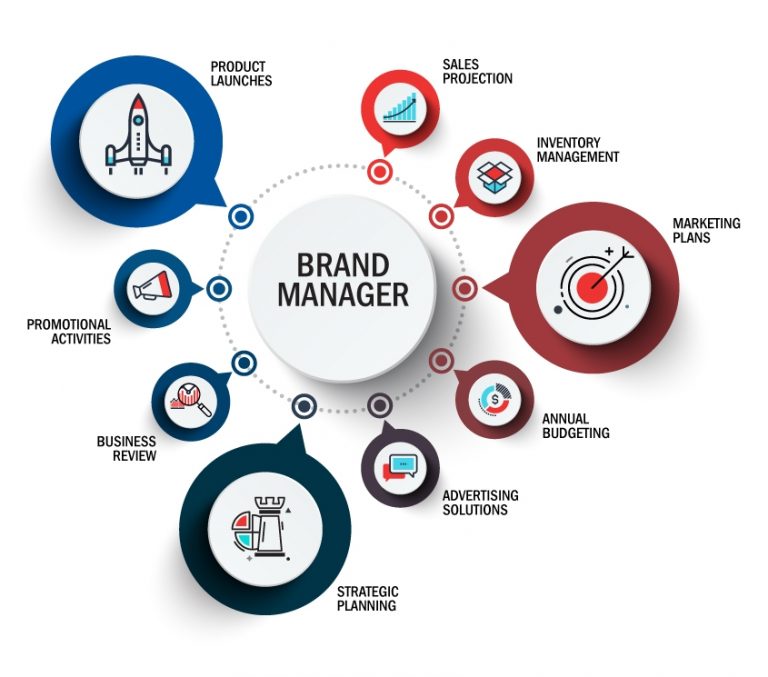
Branding and marketing management are crucial for any business aiming to thrive in today’s competitive landscape. This guide dives deep into the multifaceted world of brand building and marketing strategies, exploring everything from core concepts to digital integration and performance measurement.
From defining brand identity and positioning to understanding the digital sphere and managing reputation, this comprehensive overview equips readers with the knowledge to navigate the complexities of modern marketing. We’ll explore successful strategies and analyze case studies to provide actionable insights.
Introduction to Branding and Marketing Management
Branding and marketing management are crucial components of any successful business strategy. They are intertwined disciplines that aim to create a positive brand image, resonate with target audiences, and ultimately drive profitable growth. Effective management of these areas ensures a strong brand presence, fostering customer loyalty and market share expansion.These disciplines go beyond simply selling a product or service; they encompass building a meaningful relationship with the customer.
This involves understanding their needs, desires, and motivations, tailoring communication strategies to resonate with them, and building a brand that represents the company’s values and promises.
Defining Branding and Marketing Management
Branding and marketing management are interconnected disciplines focused on creating, maintaining, and leveraging a strong brand presence to achieve business objectives. Branding management focuses on crafting and communicating a unique brand identity, while marketing management focuses on promoting and distributing products or services to target audiences. Both disciplines are vital for establishing a strong market position, building customer loyalty, and ultimately driving profitability.
Key Differences Between Branding and Marketing
Branding is the process of creating a unique identity for a company, product, or service, encompassing elements like logo, design, messaging, and values. Marketing, on the other hand, is the set of activities employed to promote and sell a product or service to a specific target audience. Branding builds the
- who* and
- why*, while marketing focuses on the
- how* and
- where*. A strong brand lays the foundation for effective marketing strategies.
Importance of Branding and Marketing Management in Achieving Business Objectives
Effective branding and marketing management are essential for achieving a multitude of business objectives. They contribute to brand awareness, customer loyalty, increased sales, and improved market share. A well-defined brand fosters trust and recognition, while effective marketing strategies translate that trust into tangible results. Consistent application of these principles builds a strong foundation for sustainable growth.
Various Approaches to Branding and Marketing Management
Various approaches exist in branding and marketing management, each tailored to specific business needs and target audiences. Some common approaches include:
- Differentiation Strategy: This approach focuses on establishing a unique selling proposition to stand out from competitors. Examples include focusing on quality, price, customer service, or a unique product feature. Successful differentiation creates a distinct market position.
- Market Segmentation: This involves dividing the overall market into smaller, more homogenous groups based on shared characteristics. This allows for tailored marketing campaigns that effectively resonate with each segment. By understanding these segments, companies can optimize their marketing efforts and resources.
- Relationship Marketing: This approach emphasizes building long-term relationships with customers through consistent engagement and value creation. It often involves personalized communication and proactive customer support, ultimately fostering loyalty and repeat business. This strategy focuses on building lasting relationships with clients.
- Digital Marketing: This approach leverages online channels to reach and engage with target audiences. It includes strategies like search engine optimization (), social media marketing, and paid advertising. Effective digital marketing ensures visibility and engagement in today’s digital landscape.
Key Elements of a Successful Branding Strategy
A successful branding strategy involves carefully considering several key elements:
- Brand Identity: This encompasses the visual and verbal elements that represent the brand, including logo, color palette, typography, and messaging.
- Brand Values: These are the core principles that guide the brand’s actions and decisions. They represent the essence of the brand.
- Brand Personality: This reflects the human-like qualities attributed to the brand, including characteristics like trustworthiness, excitement, or sophistication.
- Brand Positioning: This defines the brand’s place in the market relative to competitors. It Artikels the unique value proposition and target audience.
Core Concepts in Branding
A strong brand identity is crucial for success in today’s competitive marketplace. It encompasses more than just a logo or tagline; it reflects the overall perception consumers have of a company and its products or services. Understanding the core concepts of branding is essential for building a recognizable and valuable brand. Effective branding strategies can differentiate a company from its competitors and cultivate customer loyalty.Effective branding strategies encompass a comprehensive understanding of various elements, from positioning and differentiation to brand equity.
These concepts contribute to building a sustainable competitive advantage. Successful brands often employ strategies that resonate with their target audience and adapt to changing market dynamics.
Elements of a Strong Brand Identity
A robust brand identity encompasses several key elements that contribute to a strong and memorable brand. These elements work together to create a cohesive and consistent brand image across all touchpoints. This consistency fosters recognition and trust amongst consumers.
- Brand Name: A memorable and relevant name is crucial for brand recognition and recall. It should be easy to pronounce, spell, and remember, and should align with the brand’s overall personality and target audience.
- Brand Logo: A visually appealing and distinctive logo serves as a visual representation of the brand. It should be versatile and adaptable across various media and platforms.
- Brand Colors and Typography: Consistent color palettes and typography choices contribute to a cohesive brand identity and reinforce brand recognition. These elements create a unique visual language that differentiates the brand.
- Brand Messaging and Voice: Clear and consistent messaging, expressed in a distinct voice, helps communicate the brand’s values, personality, and unique selling proposition (USP). The tone of communication should be tailored to resonate with the target audience.
- Brand Values: Core values form the foundation of a brand’s identity. They guide all aspects of the brand’s operations and interactions with customers, building trust and credibility.
Brand Positioning and Differentiation
Effective brand positioning involves identifying a specific niche or segment of the market that the brand intends to target. This clarity enables the brand to craft a unique value proposition and establish a clear differentiation from competitors. This strategy is critical for gaining market share and building brand loyalty.Positioning establishes the brand’s place in the minds of consumers, while differentiation emphasizes the aspects that set it apart.
Brand Equity and its Impact on Business Value
Brand equity refers to the value a brand holds in the market. It is a crucial asset for any business, influencing consumer perception, driving sales, and increasing the overall value of the company. A strong brand equity fosters customer loyalty, resulting in increased revenue and profitability. This, in turn, positively affects the market capitalization and perceived value of the business.Brand equity is built through consistent and effective brand management, fostering trust and positive associations with the brand.
Successful Branding Strategies Across Industries
Successful branding strategies are adaptable and innovative. They often involve a deep understanding of the target market and their needs. Examples include Apple’s emphasis on sleek design and user-friendliness, Coca-Cola’s use of iconic imagery and emotional connections, and Nike’s focus on athleticism and empowerment.
Comparison of Branding Models
| Branding Model | Key Features | Strengths | Weaknesses |
|---|---|---|---|
| Keller’s Brand Resonance Model | Focuses on building brand resonance through various stages, from awareness to loyalty. | Provides a comprehensive framework for brand building. | Can be complex to implement and requires significant investment. |
| Brand Asset Valuator (BAV) Model | Evaluates brands based on differentiation, relevance, esteem, and knowledge. | Offers a structured approach to brand assessment. | Results may be subjective and depend on the specific market. |
| Brand Pyramid Model | Illustrates the stages of brand building, from awareness to advocacy. | Provides a clear visual representation of the brand-building process. | May not fully capture the complexities of modern brand management. |
Core Concepts in Marketing Management
Marketing management is a multifaceted discipline crucial for achieving business objectives. It encompasses a wide range of strategies and tactics aimed at understanding and satisfying customer needs, ultimately driving profitability and market share growth. This section dives deeper into key concepts within marketing management.
The Marketing Mix (4Ps or 7Ps)
The marketing mix, often referred to as the 4Ps (Product, Price, Place, Promotion), represents a fundamental framework for developing marketing strategies. It guides businesses in tailoring their offerings to resonate with target audiences. The extended marketing mix, or 7Ps, incorporates additional elements, including people, process, and physical evidence. Understanding these components is vital for crafting comprehensive and effective marketing campaigns.
The 7Ps provide a more holistic view of the marketing effort, considering the entire customer experience.
Importance of Market Research and Analysis
Market research and analysis are essential for gaining insights into consumer behavior, preferences, and market trends. This data informs strategic decision-making, allowing businesses to tailor their products and services to meet evolving customer needs. Effective market research facilitates a deeper understanding of the competitive landscape, enabling companies to develop competitive advantages. Without thorough market analysis, companies risk misjudging customer preferences and failing to adapt to market changes, which can hinder their growth potential.
Target Market Identification and Segmentation
Identifying and segmenting target markets is a crucial step in developing effective marketing strategies. It involves dividing a broad market into smaller, more homogenous groups with shared characteristics, needs, and preferences. Segmentation allows businesses to tailor their marketing efforts to specific segments, increasing the likelihood of success. This targeted approach maximizes efficiency by focusing resources on the most receptive segments, rather than trying to appeal to everyone.
Examples of Successful Marketing Campaigns
Numerous successful marketing campaigns showcase effective strategies that resonate with specific target audiences. For example, Dove’s “Real Beauty” campaign effectively connected with a broad demographic by promoting a positive self-image. Similarly, Nike’s campaigns, often centered on inspiring narratives and athlete empowerment, have fostered strong brand loyalty. These campaigns demonstrate the power of aligning marketing strategies with societal values and creating an emotional connection with consumers.
Marketing Research Methodologies
A variety of methodologies are used to conduct effective marketing research. These approaches provide valuable data for informing strategic decisions. A well-rounded approach utilizes multiple research methods to gain comprehensive insights.
| Research Methodology | Description | Strengths | Weaknesses |
|---|---|---|---|
| Surveys | Collecting data through questionnaires | Cost-effective, gathers large amounts of data, allows for quantitative analysis | Potential for bias, limited depth of information, response rate may be low |
| Focus Groups | In-depth discussions with a group of consumers | Provides rich qualitative data, reveals underlying motivations and attitudes | Small sample size, susceptible to groupthink, potentially expensive |
| Experiments | Testing different marketing variables to determine their impact | Identifies cause-and-effect relationships, quantifiable results | Can be time-consuming, complex to design, requires controlled environment |
| Observations | Watching consumer behavior in real-world settings | Provides real-world insights, unobtrusive data collection | Time-consuming, may not capture motivations, difficult to analyze large amounts of data |
Digital Marketing Integration
Digital marketing has revolutionized branding and marketing strategies, providing unprecedented opportunities for businesses to connect with their target audiences. This shift from traditional methods to the digital sphere allows for greater personalization, real-time engagement, and measurable results. Effective integration of digital marketing tools is critical for achieving a cohesive brand identity across all touchpoints.Modern branding and marketing strategies increasingly rely on digital channels to build brand awareness, drive customer engagement, and ultimately, generate sales.
This integrated approach leverages the unique capabilities of digital platforms to create a comprehensive customer journey, enabling brands to connect with customers in more meaningful and targeted ways. Digital marketing’s ability to track key metrics provides valuable insights into campaign performance, allowing for continuous optimization and improvement.
Role of Digital Marketing in Modern Branding and Marketing
Digital marketing plays a pivotal role in modern branding and marketing efforts. It allows for a more direct and interactive relationship with customers, enabling brands to build a stronger emotional connection and foster brand loyalty. By analyzing customer data, brands can personalize marketing campaigns, leading to higher conversion rates and improved customer satisfaction.
Utilization of Digital Channels in Branding Strategies
Digital channels are fundamental to contemporary branding strategies. Websites serve as the central hub for online presence, showcasing brand values, products, and services. Search Engine Optimization () ensures visibility in search results, driving organic traffic to the site. Social media platforms provide opportunities to engage directly with audiences, build communities, and spread brand messages. Email marketing enables targeted communication with customers, nurturing leads, and promoting products.
Paid advertising campaigns on platforms like Google Ads and social media leverage targeted advertising to reach specific demographics and interests, maximizing campaign effectiveness.
Impact of Social Media on Brand Building
Social media platforms have profoundly impacted brand building. These platforms allow brands to engage with customers in real-time, fostering dialogue and building relationships. Visual content, such as images and videos, is highly effective in conveying brand messages and creating memorable brand experiences. Social media also allows brands to monitor customer feedback and address concerns promptly, strengthening brand reputation.
The ability to track social media performance provides valuable data for improving content strategy and enhancing overall brand communication.
Comparison of Traditional and Digital Marketing Strategies
Traditional marketing strategies, such as print advertising and television commercials, rely on mass communication. Digital marketing, in contrast, provides a more targeted and personalized approach, allowing brands to tailor messages to specific demographics and interests. Traditional methods often lack the ability to track campaign effectiveness, while digital marketing offers detailed analytics and data-driven insights. The cost of digital marketing can often be more manageable than traditional methods, making it accessible to smaller businesses.
The flexibility of digital marketing allows for rapid adjustments to campaigns based on real-time data, providing an advantage over the rigidity of traditional methods.
Importance of Online Customer Experience in Branding
A positive online customer experience is crucial for building a strong brand. A seamless and user-friendly website, quick response times to customer inquiries, and personalized interactions significantly influence customer perception. A consistent brand voice and aesthetic across all digital channels reinforce brand identity and create a unified experience. Addressing negative feedback and promptly resolving issues demonstrates a commitment to customer satisfaction, positively impacting brand reputation.
By prioritizing online customer experience, brands can foster loyalty and encourage repeat business.
Essential Digital Marketing Tools and Platforms
A variety of tools and platforms are essential for effective digital marketing. A well-designed website is fundamental, enabling a strong online presence and providing easy access to information about the brand. tools assist in optimizing website content for search engines. Social media management platforms facilitate content scheduling and engagement. Email marketing software allows for targeted campaigns and lead nurturing.
Analytical tools track key metrics, providing valuable insights into campaign performance. Marketing automation tools streamline processes and enhance efficiency. Examples include Google Analytics, Hootsuite, Mailchimp, and various platforms.
- Website Design and Development: A professional website is critical for online presence and providing information about the brand, products, and services. It must be user-friendly, responsive, and visually appealing to engage visitors and facilitate smooth navigation. Mobile responsiveness is a key element to consider.
- Search Engine Optimization (): helps improve website visibility in search engine results. Optimizing website content and structure for relevant s increases organic traffic and enhances brand discoverability. Technical and content optimization are important aspects of strategies.
- Social Media Management: Platforms like Facebook, Instagram, Twitter, and LinkedIn provide avenues for engaging with customers, building brand communities, and disseminating brand messages. Effective content creation and community management are vital to success.
- Email Marketing: Targeted email campaigns nurture leads, promote products, and maintain communication with customers. Segmentation and personalization are crucial for effective email marketing.
- Paid Advertising: Platforms like Google Ads and social media ads enable targeted campaigns to reach specific demographics and interests. A well-defined budget and clear goals are crucial to successful paid advertising.
Building Brand Awareness
Establishing a strong brand presence requires a strategic approach to building brand awareness. This involves more than just creating a logo; it necessitates crafting a comprehensive plan to make your brand recognizable and memorable to your target audience. Effective campaigns leverage various channels and strategies to accomplish this goal.Brand awareness campaigns are multifaceted initiatives aimed at increasing consumer recognition and positive associations with a brand.
This encompasses not only immediate recall but also sustained brand perception. A well-executed campaign fosters a clear and consistent brand identity, strengthening the brand’s position in the market and building customer loyalty.
Strategies for Creating Brand Awareness Campaigns
Building brand awareness requires a cohesive strategy that aligns with overall marketing goals. A key aspect involves understanding the target audience’s preferences and behaviors. Effective campaigns often employ multiple channels and tactics to reach the intended audience. These strategies should be adaptable and measurable to track progress and adjust as needed.
- Utilizing Digital Marketing Platforms: Leveraging social media, search engine optimization (), and paid advertising campaigns are critical for reaching a broad audience. Targeted ads on platforms like Facebook, Instagram, and Google can effectively connect with specific demographics. This digital approach enables precise targeting and measurable results, allowing for optimization based on performance metrics.
- Implementing Public Relations and Influencer Marketing: Public relations efforts, such as press releases and media outreach, can generate significant brand exposure. Partnering with influencers who resonate with the target audience allows for a more authentic and engaging approach. This approach builds credibility and trust, particularly when influencers genuinely connect with the brand message.
- Creating Compelling Content Marketing: Content marketing plays a crucial role in brand building by providing valuable information and engaging with potential customers. This includes creating blog posts, articles, videos, and other formats that position the brand as a thought leader and expert in the industry. The goal is to attract and retain an audience through informative and entertaining content that aligns with the brand’s values.
Public Relations and Influencer Marketing
Public relations and influencer marketing are integral components of brand awareness campaigns. They leverage third-party credibility to amplify brand messages and build trust. Effective PR strategies involve securing media coverage, generating positive brand sentiment, and managing any potential crises. Influencer marketing involves collaborations with individuals who possess significant influence within a specific niche or community.
- Public Relations Strategies: Crafting compelling press releases, engaging in media outreach, and participating in industry events are crucial components. Securing positive media coverage builds credibility and trust, especially when journalists independently verify the brand’s claims.
- Influencer Marketing Tactics: Identifying and collaborating with influencers who align with the brand’s values and target audience is vital. Influencers should authentically integrate the brand into their content, fostering a genuine connection with their followers.
Content Marketing in Brand Building
Content marketing is a powerful tool for building brand awareness. By consistently creating high-quality, valuable content, brands can attract and engage their target audience. This involves understanding the target audience’s needs and preferences, and crafting content that addresses those needs. Effective content marketing positions the brand as a trusted resource, fostering long-term relationships with customers.
- Types of Content Formats: A diverse range of content formats, including blog posts, articles, infographics, videos, and social media posts, can be employed to cater to different preferences. Consistent content creation and dissemination across various platforms are essential for building brand awareness.
| Content Marketing Format | Description | Example |
|---|---|---|
| Blog Posts | In-depth articles addressing industry trends, product information, or customer concerns. | A blog post detailing the benefits of sustainable packaging for a cosmetics brand. |
| Infographics | Visual representations of data or information. | An infographic showcasing the brand’s social media engagement metrics over the past year. |
| Videos | videos, product demonstrations, or behind-the-scenes glimpses. | A video showcasing the manufacturing process of a high-tech product. |
| Social Media Posts | Short-form content designed for quick consumption and engagement on platforms like Twitter, Instagram, and Facebook. | A series of Instagram stories demonstrating the use of a new smartphone feature. |
Examples of Successful Brand Awareness Campaigns
Numerous brands have successfully leveraged various strategies to build brand awareness. Examples include campaigns focused on social responsibility, community engagement, and innovative product launches. These campaigns showcase the importance of aligning brand messaging with customer values and expectations.
Measuring Marketing Performance
Assessing marketing effectiveness is crucial for optimizing strategies and maximizing ROI. Accurate measurement allows brands to understand what resonates with their target audience, identify areas for improvement, and demonstrate the value of marketing investments. This data-driven approach enables proactive adjustments and ensures campaigns align with overall business objectives.Understanding marketing campaign performance hinges on meticulously tracking key metrics. By evaluating these indicators, companies gain valuable insights into campaign effectiveness and identify areas requiring attention.
A structured approach to data analysis provides actionable recommendations for enhancing campaign outcomes.
Key Performance Indicators (KPIs) for Branding and Marketing
A comprehensive suite of KPIs provides a holistic view of marketing performance. These metrics range from brand awareness and engagement to sales conversions and customer lifetime value. Tracking these indicators allows for a precise understanding of campaign impact and ROI.
- Brand awareness: Measured through surveys, social media engagement, and website traffic. Increased brand awareness signifies a stronger connection with the target audience and a wider reach.
- Website traffic: Evaluates the volume and source of website visitors, which indicates the effectiveness of marketing channels in driving online engagement.
- Social media engagement: Includes metrics like likes, shares, comments, and follower growth on social media platforms, reflecting audience interaction and brand resonance.
- Lead generation: Quantifies the number of potential customers generated through marketing campaigns. Effective campaigns translate to a higher volume of qualified leads.
- Conversion rate: Measures the percentage of website visitors who complete a desired action, such as making a purchase or filling out a form. A higher conversion rate indicates a more compelling marketing message and improved user experience.
- Customer acquisition cost (CAC): Calculates the cost of acquiring a new customer. Lower CAC signifies a more efficient marketing strategy.
- Customer lifetime value (CLTV): Estimates the total revenue a customer is projected to generate throughout their relationship with the brand. Higher CLTV indicates a loyal customer base and a successful long-term strategy.
Methods for Tracking and Analyzing Marketing Campaign Results
Utilizing robust analytical tools and methodologies is paramount for interpreting campaign data. This involves meticulously collecting and analyzing data from various sources, such as website analytics, social media platforms, and CRM systems.
- Website analytics: Tools like Google Analytics track website traffic, user behavior, and conversion rates, providing insights into campaign effectiveness. This data is crucial for understanding user journeys and optimizing website design.
- Social media analytics: Platforms like Hootsuite and Sprout Social provide data on social media engagement, reach, and audience demographics, offering valuable insights into audience preferences and campaign impact.
- CRM data: Customer Relationship Management (CRM) systems collect data on customer interactions, purchases, and preferences, enabling personalized marketing campaigns and targeted outreach.
- A/B testing: This method involves comparing two versions of a marketing asset (e.g., ad copy, landing page) to determine which performs better. It allows for continuous improvement and optimization of marketing materials.
- Attribution modeling: This process assigns credit for conversions to various marketing channels, enabling marketers to understand which channels contribute most to achieving business goals.
Importance of Data-Driven Decision-Making in Marketing
Data-driven decision-making allows marketing strategies to adapt to real-time insights. By leveraging data analysis, businesses can make informed choices that optimize campaign performance and yield maximum returns. This method enhances efficiency and improves campaign effectiveness.
Examples of How to Use Data to Optimize Marketing Campaigns
Data analysis provides valuable insights into campaign performance and identifies areas for improvement. For instance, if website traffic from a specific social media channel is low, marketers can investigate the reason and adjust the strategy. A/B testing different ad creatives can reveal which resonates best with the target audience, leading to higher conversion rates.
Structuring a Report that Summarizes Marketing Campaign Results
A comprehensive report should include key metrics, analysis, and actionable recommendations. A well-structured report enhances understanding and promotes effective communication within the organization.
| Section | Content |
|---|---|
| Executive Summary | Brief overview of the campaign, key findings, and recommendations. |
| Campaign Overview | Description of the campaign objectives, target audience, and strategies employed. |
| Key Performance Indicators (KPIs) | Detailed analysis of key metrics, including website traffic, conversion rates, and social media engagement. |
| Analysis and Interpretation | Interpretation of the data, highlighting trends, patterns, and areas for improvement. |
| Recommendations | Actionable recommendations for optimizing future campaigns based on the insights gained. |
| Conclusion | Summarizes the overall campaign performance and its contribution to business objectives. |
Managing Brand Reputation
Maintaining a positive brand reputation is crucial in today’s interconnected world. A strong reputation fosters trust, loyalty, and ultimately, drives profitability. Negative experiences, whether online or offline, can rapidly damage a brand’s image if not addressed effectively. This section explores strategies for cultivating and safeguarding a positive brand image.
Importance of Online Brand Reputation Management
Online platforms have become the primary arena for customer interaction and feedback. Reviews, social media posts, and online forums significantly influence public perception. Managing brand reputation online involves proactively monitoring these channels, addressing concerns, and showcasing positive interactions. Failing to engage with online conversations can lead to a misrepresentation of the brand, amplified by the reach of the internet.
Prompt and transparent communication is essential for managing negative sentiment and building a positive image.
Strategies for Handling Negative Reviews and Crises
Effective crisis management is vital for mitigating reputational damage. A swift and professional response to negative reviews or crises can demonstrate a company’s commitment to customer satisfaction. Strategies include acknowledging the issue, offering a sincere apology (if appropriate), and outlining corrective actions. A pre-emptive approach, including establishing clear communication protocols, can also help manage potential crises. This proactive approach should include developing a crisis communication plan that Artikels roles, responsibilities, and messaging strategies.
Role of Customer Service in Brand Reputation
Exceptional customer service is a cornerstone of positive brand reputation. Customers are more likely to forgive mistakes or negative experiences if they perceive a genuine commitment to their needs and satisfaction. Proactive customer service, including providing clear channels for feedback and addressing concerns promptly, is key. Handling customer complaints with empathy, professionalism, and a desire to resolve the issue fosters a sense of trust and loyalty.
This proactive approach will demonstrate a brand’s commitment to customer care, ultimately impacting their overall reputation.
Examples of Effective Crisis Management in Branding
Numerous brands have successfully navigated crises. For instance, [Example 1 – Company A], following a product recall, handled the situation by openly acknowledging the issue, offering refunds, and communicating transparently with customers. This demonstrated a commitment to customer well-being, restoring trust. Another example is [Example 2 – Company B], which used social media to address concerns about its supply chain practices.
This showed a willingness to be transparent and accountable. These examples highlight the importance of swift, honest, and customer-centric communication during a crisis.
Potential Reputational Risks and Mitigation Strategies
| Potential Reputational Risk | Mitigation Strategy |
|---|---|
| Negative online reviews | Respond promptly and professionally to negative reviews, offer solutions, and engage in constructive dialogue. |
| Social media backlash | Monitor social media channels for negative sentiment, engage with critics, and address concerns promptly. |
| Product defects or recalls | Communicate transparently about the issue, offer solutions (like refunds or replacements), and take steps to prevent future occurrences. |
| Supply chain issues | Be transparent about the situation, communicate timelines for resolution, and show efforts to mitigate further disruptions. |
| Misleading marketing claims | Ensure marketing materials are accurate and avoid making false or exaggerated claims. |
Case Studies in Branding and Marketing
Understanding successful branding and marketing campaigns, as well as those that face crises, provides invaluable insights. Analyzing these case studies allows us to identify effective strategies, pinpoint potential pitfalls, and adapt approaches to various industries. By examining the factors contributing to success or failure, we can develop more robust and impactful marketing plans.
A Successful Campaign: Dove’s “Real Beauty” Campaign
Dove’s “Real Beauty” campaign, launched in 2004, successfully challenged conventional beauty standards. This campaign centered on portraying diverse women and celebrating their natural beauty, moving away from the often unrealistic and unattainable ideals promoted by other brands. The campaign leveraged a combination of advertising, social media, and community engagement, resonating with a broad audience seeking authenticity and inclusivity.
The campaign’s long-term success is evident in Dove’s continued commitment to promoting positive body image and empowering women.
A Brand Crisis: United Airlines’ 2017 Passenger Removal
In 2017, United Airlines faced a significant crisis after forcibly removing a passenger from an overbooked flight. The incident was widely publicized and sparked outrage, negatively impacting the airline’s reputation. The airline’s initial response was perceived as insensitive and aggressive, further escalating the situation. Ultimately, United Airlines faced intense public pressure and had to implement significant changes in its customer service policies.
The incident highlights the importance of proactive crisis management and swift, empathetic responses. A delayed or poorly executed response can significantly damage a brand’s reputation and erode consumer trust.
Factors Contributing to Campaign Success or Failure
Several key factors influence the outcome of branding and marketing campaigns. Market research, understanding the target audience, and tailoring messaging are crucial elements for success. Effective campaigns often incorporate a clear brand identity, consistent messaging across all platforms, and a well-defined strategy for reaching the intended audience. Conversely, campaigns that fail to connect with the target audience, lack consistency, or use inappropriate messaging often face significant setbacks.
Furthermore, neglecting market research or a lack of adapting to changing consumer preferences can hinder campaign effectiveness.
Strategies Employed in Case Studies
The successful campaigns often employed a multi-channel approach, integrating various marketing strategies such as social media engagement, content marketing, and influencer collaborations. This multi-faceted approach amplified the reach and impact of the campaigns. In contrast, brands facing crises often struggled with effectively communicating their response, leading to further damage to their reputation. Poor crisis management and a lack of transparency frequently compounded the negative impact.
Successful crisis responses often involved swift action, empathy, and a clear articulation of the steps being taken to rectify the situation.
Comparative Analysis Across Industries
Different industries require different approaches to branding and marketing. For example, campaigns in the fashion industry often leverage visual storytelling and influencer marketing, while technology companies might focus on demonstrating innovation and technological advancements. However, across industries, a strong brand identity, consistent messaging, and effective communication remain essential elements for successful campaigns. Successful crisis management strategies should be adaptable to the specific industry context and the nature of the crisis.
Effective crisis management in the hospitality industry might involve a focus on customer service and compensation, whereas in the tech industry, a quick, transparent explanation of the issue is often prioritized.
Future Trends in Branding and Marketing
The landscape of branding and marketing is constantly evolving, driven by technological advancements and shifting consumer behaviors. Understanding these emerging trends is crucial for businesses to remain competitive and effectively connect with their target audiences. Adapting to these future-focused strategies will enable companies to thrive in the evolving marketplace.The convergence of technology and human interaction is reshaping how brands connect with consumers.
This dynamic environment demands a proactive approach to innovation, requiring a deep understanding of the evolving needs and preferences of the modern consumer.
Artificial Intelligence and Machine Learning
AI and machine learning are rapidly transforming marketing operations. Sophisticated algorithms are now capable of analyzing vast amounts of data to gain actionable insights into consumer behavior, preferences, and purchasing patterns. This enables businesses to tailor their marketing strategies with greater precision and efficiency.These technologies facilitate personalized experiences, enabling marketers to segment audiences more effectively. This translates to more targeted advertising, optimized pricing strategies, and more efficient customer service.
For instance, AI-powered chatbots can provide instant support to customers, answering queries and resolving issues promptly. Machine learning can also predict future customer behavior, enabling proactive interventions and improving customer lifetime value.
Globalization and Cultural Diversity
Globalization continues to broaden the market reach for businesses. However, understanding and respecting diverse cultural nuances is paramount for successful cross-cultural marketing. Effective branding requires adapting marketing campaigns to specific cultural contexts and avoiding misinterpretations or offense.Businesses need to be sensitive to different cultural values, norms, and communication styles. Localizing marketing materials and campaigns is crucial to resonate with the target audience and build trust.
Furthermore, incorporating diverse perspectives into the brand’s messaging and imagery is essential for fostering inclusivity and building a positive brand image. This is demonstrated by companies adapting product packaging, advertising slogans, and customer service protocols to suit local customs.
Personalization in Marketing
Personalization is no longer a luxury but a necessity in today’s market. Consumers expect brands to understand their individual needs and preferences, delivering tailored experiences at every touchpoint. This requires collecting and analyzing customer data responsibly and ethically.Effective personalization leverages data to provide relevant product recommendations, targeted advertisements, and personalized content. A crucial aspect of personalization is ensuring that the customer experience feels authentic and not intrusive.
For instance, an e-commerce platform that suggests products based on past purchases or browsing history is a clear example of personalized marketing.
Mind Map of Potential Future Trends
 [Description of the mind map image: The mind map visually represents interconnected ideas and concepts related to future branding and marketing trends. Key branches include AI-driven personalization, immersive experiences, the metaverse, and the increasing importance of ethical and sustainable practices. Sub-branches within each main topic detail specific applications and impacts. For instance, the AI-driven personalization branch includes sub-branches such as AI-powered customer service, personalized product recommendations, and targeted advertising. The image highlights the interconnectedness and overlapping nature of these future trends, emphasizing the need for businesses to adapt and integrate various approaches to thrive in the changing market.]
Concluding Remarks
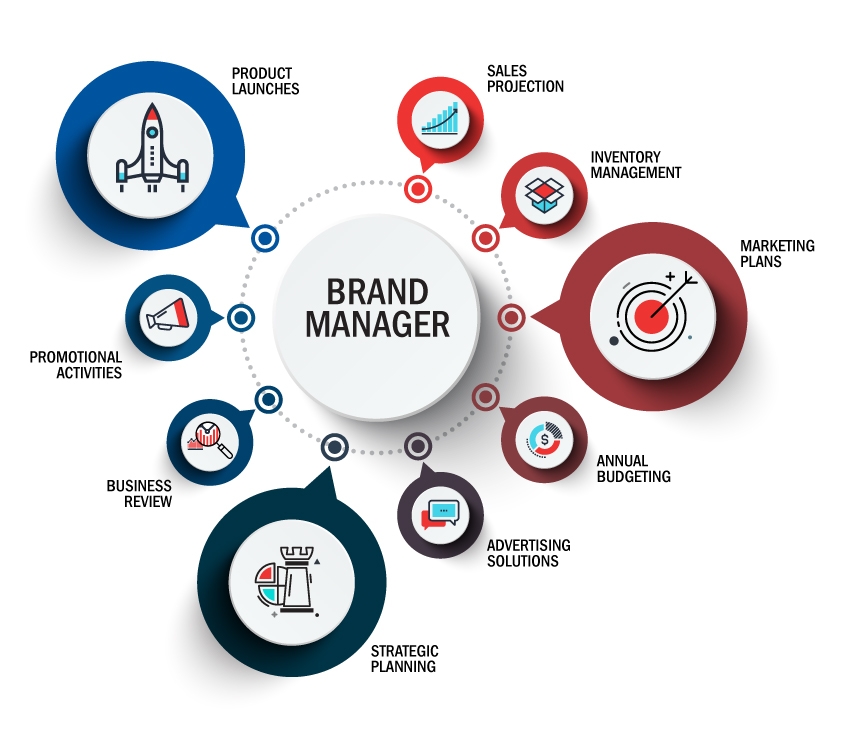
In conclusion, successful branding and marketing management requires a holistic approach that integrates various strategies and leverages data-driven insights. By understanding the core concepts, embracing digital integration, and effectively managing reputation, businesses can achieve sustainable growth and a strong market presence. This guide has provided a framework for success in this dynamic field.
General Inquiries
What are the key differences between branding and marketing?
Branding focuses on building a unique identity and perception for a company or product, while marketing is the process of promoting and selling that brand to target customers. Branding is about who you are, while marketing is about how you communicate that to others.
How important is market research in marketing management?
Market research is vital for understanding consumer needs, preferences, and behaviors. It allows businesses to tailor their marketing strategies effectively, identify potential opportunities, and mitigate risks.
What are some common KPIs for measuring marketing performance?
Key performance indicators (KPIs) for marketing performance vary depending on the specific goals. Examples include website traffic, conversion rates, customer acquisition cost, return on ad spend (ROAS), and brand awareness metrics.
How can businesses handle negative reviews?
Addressing negative reviews constructively is essential. Respond professionally, apologize for any inconvenience, and attempt to resolve the issue. Turn a negative experience into a positive one by showing empathy and commitment to customer satisfaction.