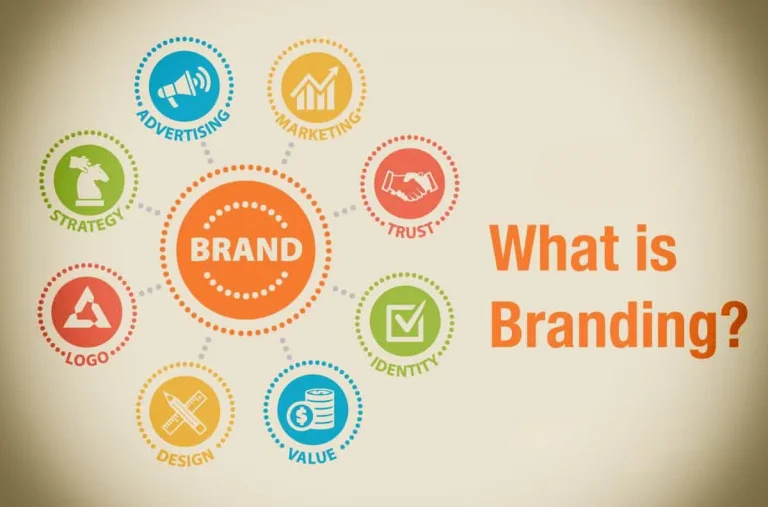
Branding iron easter brunch is not just about delicious food; it’s an opportunity to create unforgettable experiences that linger in the minds of guests. The significance of branding in such events cannot be overstated, as it sets the tone, attracts attendees, and differentiates your brunch from others. Through strategic branding, you can elevate a simple gathering into a festive celebration that resonates with the spirit of Easter.
As we delve deeper into this topic, we’ll explore the essential components of effective branding, the design of thematic branding irons, and the marketing strategies that can amplify your brunch event’s reach. We’ll also discuss how to engage guests through interactive experiences and evaluate the impact of branding on satisfaction and loyalty.
Importance of Branding in Easter Brunch Events
Branding plays a critical role in establishing a unique identity for Easter brunch events, influencing how potential guests perceive and engage with the experience. A well-crafted brand can evoke emotions, build trust, and create lasting memories associated with the event, setting it apart from the competition. In an age where consumers are bombarded with choices, effective branding can be the key to standing out and attracting attendees.Branding not only helps in establishing a distinct presence in the market but also communicates the values and atmosphere of the event.
It encompasses everything from the event name and logo to the choice of colors, typography, and overall theme, all of which work together to create a cohesive experience. By presenting a strong brand, event organizers can ensure that their Easter brunch resonates with the target audience and fosters a sense of community and celebration.
Successful Branding Strategies in Easter Brunches
Implementing successful branding strategies can significantly enhance the appeal of Easter brunch events. Here are some noteworthy strategies:
- Thematic Consistency: A consistent theme that reflects the spirit of Easter, such as spring florals or pastel colors, can create a visually appealing and immersive environment. This includes decorations, table settings, and even promotional materials that align with the theme.
- Creative Naming: Choosing a memorable and descriptive name for the brunch can help create intrigue. For instance, names like “Bunny Brunch Bash” or “Egg-cellent Feast” can attract attention and convey a fun atmosphere.
- Engaging Social Media Presence: Utilizing social media platforms to showcase behind-the-scenes preparations, menu highlights, and guest experiences can enhance brand visibility. Regular updates and engaging content help build anticipation and excitement around the event.
- Collaborations with Local Businesses: Partnering with local bakeries, florists, or artisans can not only enrich the brunch experience but also create a sense of community. Examples include featuring locally-sourced ingredients in the menu or showcasing local crafts as decor.
- Interactive Experiences: Incorporating activities such as egg decorating stations or photo booths can enhance guest engagement and make the event more memorable. These experiences become part of the brand narrative, encouraging attendees to share their experiences on social media.
Successful Easter brunch events often leverage these strategies to create a cohesive and appealing brand experience. For instance, the “Spring Fling Brunch” at a local hotel integrated floral arrangements, seasonal menus, and live music, resulting in high attendance and positive feedback. This illustrates how effective branding can cultivate a loyal customer base and elevate the overall success of the event.
Elements of Effective Branding for Easter Brunch
The branding of an Easter brunch plays a pivotal role in shaping guest perceptions and experiences. Effective branding creates a memorable atmosphere that resonates with the theme of the occasion, enhancing guest engagement and satisfaction. Understanding and implementing key branding elements can significantly elevate the overall event, ensuring that it stands out in a crowded marketplace.Color, typography, and imagery are fundamental components of effective branding, each serving a unique purpose in shaping guest perceptions.
Colors evoke emotions and set the tone for the event. For example, pastel colors like soft pinks, blues, and yellows are often associated with Easter and springtime, creating a warm and inviting atmosphere. Typography must align with the overall theme, conveying elegance or playfulness as needed. Imagery is also crucial; high-quality visuals of food, decor, and the overall setting can attract guests and enhance the aesthetic appeal of marketing materials.
Key Components Influencing Guest Perception
Several key components contribute to effective branding that influences how guests perceive an Easter brunch event. These components include:
- Consistent Brand Identity: A cohesive brand identity across all materials reinforces recognition and trust.
- Distinctive Logo: A unique logo can create a memorable impression, serving as a visual anchor for the event.
- Engaging Tagline: A catchy tagline encapsulates the event’s essence, making it easy for guests to remember.
Use of Color, Typography, and Imagery
The strategic use of color, typography, and imagery is essential in creating an impactful branding experience. These elements work together to create a harmonious visual language that resonates with guests.
Color
Soft pastels symbolize renewal and joy, making them ideal for Easter brunch. Incorporating floral patterns and vibrant accents can add depth and excitement.
Typography
Choose fonts that align with the event’s theme. For a formal brunch, elegant serif fonts can convey sophistication, while playful sans-serif fonts may suit a more casual gathering.
Imagery
Utilize high-resolution images showcasing the food, decor, and ambiance. Pictures of beautifully arranged tables, colorful egg displays, and inviting brunch dishes can entice potential guests.
Essential Branding Materials
To effectively communicate your branding, certain materials are essential. These materials not only promote the event but also enhance the guest experience. Key branding materials for an Easter brunch include:
- Menus: A visually appealing menu that reflects the branding theme can excite guests about the offerings.
- Invitations: Invitations should mirror the tone and aesthetics of the brunch, whether it’s casual or upscale, setting expectations for the event.
- Signage: Clear and attractive signage helps guide guests, ensuring a smooth experience from arrival to departure.
- Table Settings: Decor that aligns with the branding theme, such as custom table runners or centerpiece designs, enhances the overall atmosphere.
“Effective branding is not just about a logo; it’s about creating an experience that resonates with your guests and leaves a lasting impression.”
Designing a Branding Iron for Easter Brunch
Creating a unique branding iron for Easter brunch is an engaging way to elevate your event’s identity while adding a personal touch. The design process allows you to infuse the spirit of Easter into the branding, ensuring that every bite reflects the festive theme. Crafting an effective branding iron involves several considerations, from choosing the right imagery to selecting suitable materials that can withstand the heat of the culinary creations.When designing a branding iron specific to Easter themes, start by brainstorming symbols that resonate with the holiday.
Common motifs include Easter eggs, bunnies, flowers, and religious symbols like crosses. Once you have chosen your imagery, sketch out a design that captures the essence of Easter while being simple enough to translate well onto food. The size of the branding iron should be practical, allowing it to fit comfortably on various food items, whether it’s a roast, bread, or even butter.
Materials and Techniques for Crafting Branding Irons
The choice of materials and techniques is crucial in the production of a branding iron, as they must be able to endure high temperatures without compromising the quality of the imprint. Here’s a breakdown of commonly used materials and techniques:
- Steel: Stainless steel is a popular choice due to its durability and corrosion resistance. It can withstand high temperatures and provides a clean, sharp imprint.
- Copper: Copper branding irons heat up quickly and offer excellent heat conductivity. They are often used for smaller designs and can give a vintage feel.
- Wooden Handles: When designing a branding iron, incorporating a heat-resistant wooden handle can provide a comfortable grip while preventing burns during use.
Crafting techniques may vary, but the most common methods include:
- Laser Engraving: This modern technique allows for intricate designs to be etched into the branding surface with precision.
- Hand Forging: A traditional approach where artisans shape and create branding irons manually, allowing for unique designs and craftsmanship.
Incorporating Branding Elements into Food Presentation
Integrating branding elements into food presentation enhances the overall experience and reinforces your Easter brunch theme. By creatively applying branding to various dishes, you can create a cohesive aesthetic that delights guests. Here are some ideas to consider:
- Branded Breads or Rolls: Use the branding iron to imprint your Easter design on freshly baked breads or rolls, providing a delightful visual and tasty treat.
- Charcuterie Boards: Incorporate branded wooden boards for serving cheese and meats, enhancing the presentation and tying in the branding theme.
- Butter and Spreads: A branding iron can be used to create an imprint on blocks of butter or spreads, making them more appealing on the table.
Implementing these branding ideas not only enhances the visual appeal of your Easter brunch but also engages guests, making the event memorable and unique.
Marketing Strategies for Easter Brunch Branding
Promoting an Easter brunch event requires a blend of creativity, strategic thinking, and community engagement. Effective marketing not only draws attention but helps to build a memorable brand presence that resonates with guests. By employing targeted strategies, businesses can enhance their visibility and foster a festive atmosphere that aligns with the Easter holiday.A multi-faceted approach to marketing is crucial for the success of an Easter brunch.
This includes leveraging social media platforms and forming collaborations with local businesses. The goal is to create an immersive experience that not only attracts attendees but also encourages them to share their experiences, amplifying the event’s reach.
Social Media Promotion for Branded Brunch Experiences
Social media serves as a powerful tool for promoting branded events, enabling venues to engage with their audience in real time. It’s important to utilize various platforms to create excitement and anticipation around the Easter brunch.
Effective social media marketing can significantly increase engagement and attendance at events through targeted outreach and interactive content.
Strategies for social media promotion include:
- Visual Content: High-quality images and videos showcasing the brunch setup, dishes, and decor create an inviting atmosphere. An eye-catching visual post can capture attention more effectively than text alone.
- Event Hashtags: Create a unique hashtag for the brunch event to encourage guests to share their experiences online. This helps consolidate user-generated content and promotes the event organically.
- Behind-the-Scenes Content: Share stories or posts that highlight the preparation and creativity involved in planning the brunch. This gives followers a personal connection to the event and builds anticipation.
- Live Updates: Use live video or stories during the event to engage followers in real time, showcasing the vibrant atmosphere and encouraging last-minute attendance.
Collaborating with Local Businesses for Enhanced Branding
Collaboration with local businesses can amplify marketing efforts for an Easter brunch. Partnering with complementary brands not only enriches the event experience but also broadens the reach of promotions.
Collaborative marketing creates mutual benefits, driving attendance and enhancing the overall brand image of participating businesses.
Consider the following strategies for effective collaboration:
- Sponsorships: Approach local farms, bakeries, or florists to sponsor specific aspects of the brunch. This could be in the form of food donations, floral arrangements, or promotional giveaways.
- Joint Promotions: Work with local businesses to create cross-promotional offers, such as discounts or bundle deals, that reward customers for attending both the brunch and visiting the partner store.
- Collaborative Events: Host joint events with local artisans or chefs who can contribute to the brunch’s menu or offer workshops. This unique experience can attract a diverse audience and enrich the event’s branding.
- Community Marketing: Engage in community events or fairs to promote the brunch ahead of time. Having a presence at local gatherings can create buzz and foster relationships within the community.
Case Studies of Successful Easter Brunch Branding

The significance of effective branding during Easter brunch events cannot be overstated, as it directly influences guest engagement, perception, and overall experience. By examining successful case studies, we can identify key strategies that have resonated with guests and set certain events apart from the competition. This analysis highlights the various methodologies that have contributed to memorable and branded Easter brunches.
Case Study: The Blooming Brunch at The Grand Hotel
The Grand Hotel hosted a renowned Easter brunch known as “The Blooming Brunch,” which focused on a floral theme that resonated with the season. The hotel effectively utilized its beautiful gardens, creating an immersive experience for guests. The branding strategy revolved around elegant floral displays, pastel color palettes, and menu items named after flowers.
- Immersive Environment: Decor included blooming centerpieces and floral arrangements that visually integrated with the ambiance of the brunch.
- Branded Menu: Each dish was named after a flower, enhancing the theme and creating a cohesive experience. For example, “Daisy Delight Pancakes.”
- Engagement Activities: Guests participated in flower arranging workshops, further enriching the brunch experience.
“An experience is not just enjoyed; it’s remembered. Theming can elevate a brunch into a memorable event.”
Case Study: The Easter Feast at The Vintage Farmhouse
The Vintage Farmhouse took a rustic approach to its branding with “The Easter Feast,” emphasizing local produce and family-style dining. The branding hinged on community involvement, sourcing ingredients from local farms, which not only supported the local economy but also enriched the menu.
- Local Sourcing: Each item on the brunch menu featured locally-sourced ingredients, enhancing freshness and quality.
- Social Media Integration: Guests were encouraged to share their experiences online using a dedicated hashtag, which increased engagement and visibility.
- Interactive Experiences: The venue included a petting zoo and craft stations for children, appealing to families and adding value to the event.
“Local connections foster a sense of community that translates into loyalty and enthusiasm for future events.”
Comparison of Branding Approaches
When comparing these two successful brunches, key differences in branding approach become clear. The Blooming Brunch emphasized visual aesthetics and immersive experiences, appealing to guests’ senses through decor and thematic elements. In contrast, The Easter Feast centered on community engagement and local sourcing, creating a feeling of warmth and family connection.
- Aesthetic vs. Community Focus: The Blooming Brunch attracted guests with its stunning visuals, while The Easter Feast resonated with those seeking connection and sustainability.
- Target Audience: The former catered to a more upscale clientele, while the latter appealed to families and local community members.
- Engagement Strategies: The Blooming Brunch focused on experiential dining, whereas The Easter Feast emphasized interactive activities.
“Understanding your audience is crucial in defining your branding approach; it shapes every aspect of the event.”
Engaging Guests through Branded Experiences
Creating engaging and memorable experiences is crucial for branding during Easter brunch events. A well-executed branded experience not only enhances guest enjoyment but also fosters a deeper connection to the brand, making it more likely that guests will share their positive experiences with others. To effectively engage guests, hosts can implement interactive elements that resonate with the theme of the brunch and encourage active participation.One of the key aspects of successful branding is to provide guests with opportunities to interact with the brand in meaningful ways.
This can be achieved through various methods that leverage the festive spirit of Easter brunch. Consider incorporating themed activities that reflect the brand’s identity while also appealing to the interests of your guests.
Implementing Interactive Activities
Incorporating themed activities can create an engaging atmosphere that aligns with the branding of the Easter brunch. These activities should encourage guest participation and enhance their overall experience. Here are some ideas on how to implement interactive experiences:
- Branded Photo Booth: Set up a photo booth with Easter-themed props and a backdrop that features your brand logo or colors. Guests will enjoy taking photos, and these images can be shared on social media, promoting your brand further.
- Easter Egg Hunt: Organize an Easter egg hunt featuring eggs that represent different aspects of your brand. Include special prizes or giveaways for those who find specific eggs, creating excitement and engagement.
- Interactive Stations: Create DIY food or drink stations where guests can customize their brunch items. This could include a pancake bar, mimosa station, or a cupcake decorating area, all branded with your logo or colors.
- Live Entertainment: Hire entertainers who align with your brand theme, such as musicians, magicians, or themed characters that can interact with guests, enhancing the overall experience.
- Feedback Stations: Set up a station for guests to share their feedback about the event. This can be done through digital surveys or interactive boards where guests can leave comments. This not only engages guests but also provides valuable insights for future branding efforts.
Engaging guests through these activities fosters a sense of community and belonging while reinforcing the brand’s identity.
“Guest feedback is a powerful tool that shapes the direction of branding efforts, allowing for improvements and tailored experiences.”
Understanding guest feedback is also vital in shaping branding efforts. Feedback helps identify what elements of the brunch resonated most with guests and what could be improved in future events. Implementing changes based on this feedback demonstrates that the brand values guest opinions, enhancing loyalty and satisfaction.Using insights gained from guest interactions and feedback, hosts can continuously refine their branding strategies to resonate more with their audience.
This iterative process not only strengthens the brand’s presence but also enhances guest loyalty, leading to word-of-mouth promotion and repeat attendance at future events.
Evaluating the Impact of Branding on Guest Satisfaction
The effectiveness of branding at Easter brunch events can significantly influence guest satisfaction. By carefully evaluating the brand’s impact, organizers can identify areas of improvement and strengthen their overall guest experience. This assessment is essential for fostering loyalty and encouraging repeat attendance at future events.Branding shapes the perception that guests have of an event, affecting not only their immediate experience but also their likelihood of returning.
A well-executed brand strategy can create a memorable atmosphere, resonate with attendees on a personal level, and enhance their overall enjoyment. Successful branding can lead to greater guest loyalty, transforming casual visitors into devoted patrons.
Metrics for Assessing Branding Effectiveness
To evaluate the impact of branding on guest satisfaction, it’s crucial to measure specific metrics that reflect the attendees’ experiences and perceptions. Key metrics that can provide insights include:
- Net Promoter Score (NPS): This metric gauges guest willingness to recommend the brunch event to others. A high NPS indicates strong brand loyalty and satisfaction.
- Customer Satisfaction Score (CSAT): This score measures overall guest satisfaction through direct feedback, often collected via post-event surveys.
- Brand Recall: Assessing how well guests remember the branding elements, such as logos, themes, and messages, can indicate the effectiveness of the branding strategy.
- Social Media Engagement: Analyzing likes, shares, and comments related to branding can provide insights into guest sentiment and engagement.
- Repeat Attendance Rates: Tracking how many guests return for future events can help measure brand loyalty and satisfaction over time.
Influence of Branding on Guest Loyalty
Branding not only impacts immediate guest satisfaction but also fosters long-term loyalty. Guests who connect emotionally with the brand are more likely to return and spread the word about their positive experiences. Consistent branding creates familiarity, which is reassuring for guests, enhancing their overall enjoyment.The power of branding lies in its ability to create memorable experiences. For instance, a brunch event that features unique branding elements—like themed décor, signature dishes, and personalized service—can leave a lasting impression.
This emotional connection can be quantified through increased repeat visits and recommendations.
Strategies for Gathering Guest Feedback
Collecting and analyzing guest feedback is vital for understanding the impact of branding. Effective strategies for gathering insights include:
- Post-Event Surveys: Distributing surveys immediately after the event can capture fresh impressions and feedback on branding elements.
- Focus Groups: Organizing small group discussions with attendees can provide in-depth insights into their perceptions of the branding.
- Online Reviews: Monitoring reviews on platforms like Yelp or Google can reveal guests’ thoughts on branding and areas for improvement.
- Social Media Listening: Engaging with guests on social media and listening to their conversations can uncover valuable feedback regarding branding effectiveness.
- Incentivized Feedback: Offering incentives, such as discounts for future events, can encourage guests to provide more detailed feedback on branding experiences.
Last Recap
In conclusion, mastering the art of branding for your Easter brunch can transform it into a remarkable occasion that guests will cherish. By implementing thoughtful branding strategies and fostering guest engagement, you not only enhance the overall experience but also build lasting connections that can turn a one-time event into a beloved tradition. Embrace the power of branding to make your Easter brunch stand out and truly memorable.
Query Resolution
What is the importance of branding for an Easter brunch?
Branding creates memorable experiences and helps differentiate your event from others, enhancing guest engagement and loyalty.
How can I design a branding iron for my brunch?
The design process involves choosing Easter themes, selecting materials, and incorporating branding elements into food presentation.
What branding materials should I prepare for an Easter brunch?
Essential materials include menus, invitations, signage, and any decorative items that reflect your branding theme.
How can social media help in branding my Easter brunch?
Social media platforms can effectively promote your event, showcase branded experiences, and engage with potential attendees.
What metrics can I use to evaluate branding effectiveness at my event?
Metrics can include guest satisfaction surveys, attendance rates, and feedback on branding elements and experiences.