Branding Iron Restaurant Chicago promises a unique dining experience, blending innovative culinary concepts with a strong brand identity. This exploration delves into the restaurant’s potential, considering market trends, competitive analysis, and digital strategies. The aim is to craft a compelling brand narrative that resonates with the Chicago culinary scene and its diverse clientele.
This comprehensive guide examines various aspects, from menu development and customer experience to restaurant operations and marketing strategies. It explores the significance of the “Branding Iron” name and how it can be leveraged to create a memorable brand experience.
Restaurant Branding in Chicago
Chicago’s vibrant culinary scene fuels a dynamic restaurant branding landscape. Local eateries are increasingly focused on authenticity, experience, and community engagement, reflecting the city’s diverse population and its unique cultural heritage. This is reflected in a variety of approaches, from showcasing neighborhood-specific ingredients to highlighting chef-driven concepts and innovative dining experiences.Contemporary restaurant branding in Chicago is less about generic slogans and more about crafting compelling narratives that resonate with the target audience.
This involves a deep understanding of the local culture and a desire to build a loyal customer base through unique experiences and memorable interactions.
Current Trends in Restaurant Branding
Chicago’s restaurant branding scene is characterized by a strong emphasis on community engagement and experiential dining. Local sourcing, sustainability initiatives, and innovative food preparation techniques are becoming integral aspects of restaurant identities. This trend fosters a sense of connection between the restaurant and its patrons, contributing to a stronger brand image. Examples include highlighting the use of locally-sourced ingredients, supporting local farmers, and showcasing the chef’s unique culinary style.
Examples of Successful Restaurant Branding Strategies
Several Chicago restaurants have successfully leveraged unique branding strategies. Alinea, renowned for its avant-garde cuisine, fosters a sophisticated and exclusive brand image through innovative presentation and highly-trained staff. This strategy has attracted a loyal clientele and solidified Alinea’s position as a premier fine dining establishment. Conversely, Pequod’s, a popular casual seafood restaurant, leverages a relaxed and inviting atmosphere, combined with a focus on fresh, high-quality ingredients, to appeal to a broader audience.
Their emphasis on local sourcing and sustainable practices aligns with current consumer preferences.
Key Elements of a Strong Brand Identity
A strong restaurant brand identity requires a cohesive blend of visual elements, messaging, and customer experience. Key components include a memorable logo, a consistent brand voice across all platforms, and a clear value proposition that resonates with the target audience. Effective communication through social media, a visually appealing website, and consistent in-restaurant experiences are essential for building a strong brand presence.
Comparison of Branding Strategies Across Restaurant Types
Fine dining restaurants in Chicago typically prioritize exclusivity and a sophisticated image, emphasizing high-quality ingredients, meticulous service, and an elegant ambiance. Casual restaurants often focus on affordability, comfort, and a relaxed atmosphere. Fast-food restaurants emphasize speed, convenience, and recognizable branding elements. Each type employs distinct strategies to resonate with their respective target audiences.
Role of Location and Neighborhood
Location significantly influences a restaurant’s brand. A restaurant situated in a trendy neighborhood may adopt a modern, contemporary brand, while a restaurant in a historic district might embrace a heritage-inspired brand identity. The neighborhood’s atmosphere and cultural nuances play a crucial role in shaping a restaurant’s image. This approach enables the restaurant to align itself with the neighborhood’s character, further enhancing its brand appeal.
Potential Brand Identity for a New Chicago Restaurant
A hypothetical Chicago restaurant, “The Grain & Grind,” focusing on the city’s culinary scene, could develop a brand identity rooted in Chicago’s agricultural heritage. Its brand could emphasize the use of seasonal, locally sourced ingredients, showcasing the vibrant Chicago agricultural community. The visual identity could incorporate Chicago-inspired typography and imagery, reinforcing its connection to the city’s character. This restaurant aims to connect with patrons who appreciate fresh, locally-sourced food and unique culinary experiences.
Target Audience for a Hypothetical Chicago Restaurant
The target audience for “The Grain & Grind” would likely be young professionals, foodies, and residents interested in supporting local farmers and enjoying innovative culinary experiences. They appreciate sustainable practices, high-quality ingredients, and a vibrant atmosphere.
Elements of a Restaurant Brand
| Element | Description |
|---|---|
| Brand Name | A memorable and relevant name reflecting the restaurant’s concept and values. |
| Logo | A visually appealing and distinctive logo that represents the restaurant’s identity. |
| Brand Voice | The tone and style of communication used across all platforms. |
| Value Proposition | A clear statement of the unique benefits and experiences offered by the restaurant. |
| Visual Identity | The overall look and feel of the restaurant, including colors, typography, and imagery. |
| Customer Experience | Creating a memorable and positive interaction for every customer. |
Branding Iron Restaurant
The name “Branding Iron” evokes a sense of quality, heritage, and perhaps even a touch of rugged individualism, particularly fitting for a restaurant in Chicago, a city steeped in history and culinary innovation. This name suggests a commitment to excellence and a distinctive dining experience. The “branding” aspect hints at a focused, intentional approach to food and service, implying a dedication to creating a memorable and distinctive dining experience.The “branding iron” metaphor, historically associated with marking livestock, suggests a strong sense of ownership and quality control in the preparation of food.
This suggests a commitment to sourcing quality ingredients and precise culinary techniques, ultimately reflecting the restaurant’s dedication to the dining experience.
Meaning and Significance of “Branding Iron”
The name “Branding Iron” in the context of a Chicago restaurant speaks to a desire for a unique and memorable dining experience. It implies a commitment to quality ingredients and culinary precision. The historical connection to marking livestock suggests a focus on sourcing and preparation, ensuring the food is not just tasty, but also ethically and meticulously crafted.
Brand Values and Promises
- Quality Ingredients: A commitment to using high-quality, locally sourced, and seasonal ingredients whenever possible. This reflects a focus on freshness and authenticity. Examples include partnering with local farmers’ markets and sustainable food suppliers.
- Exceptional Culinary Experience: A promise of innovative and delicious dishes that showcase the best of Chicago’s culinary scene, while also pushing boundaries and exploring new flavors.
- Authenticity and Heritage: A connection to Chicago’s rich history and diverse culinary traditions, showcasing the city’s multicultural heritage through food.
- Memorable Service: Creating a warm, attentive, and professional dining experience, attentive to detail and customer satisfaction.
Restaurant Concepts and Menus
Possible restaurant concepts could range from a traditional steakhouse to a more modern, innovative cuisine. The branding should be consistent across the chosen concept.
- Modern Steakhouse: High-quality steaks, fresh seafood, and a selection of classic sides. This could include dry-aged beef and innovative steak preparation techniques, highlighting the quality of ingredients.
- Farm-to-Table Fusion: A menu that celebrates seasonal ingredients sourced from local farms and purveyors, incorporating global culinary influences to create unique dishes. This concept emphasizes freshness and sustainability.
- Chicago-Style Comfort Food with a Twist: Classic Chicago comfort food dishes with modern twists and gourmet upgrades. Think deep-dish pizza with unique toppings, Chicago-style hot dogs with upscale accompaniments, and other familiar favorites with elevated presentations.
Atmosphere and Ambiance
The ideal atmosphere should reflect the name’s strength and heritage. A sophisticated, yet inviting, atmosphere with a focus on design elements that evoke the feeling of a strong, well-crafted product, is crucial.
- Rustic Elegance: A blend of rustic charm and modern sophistication, perhaps using exposed brick, reclaimed wood, and warm lighting to create a cozy and welcoming environment.
- Industrial Chic: A raw, industrial aesthetic with exposed pipes, concrete floors, and modern lighting, showcasing the restaurant’s focus on quality and precision.
Potential Concepts Summary
| Concept | Cuisine Focus | Atmosphere | Target Audience |
|---|---|---|---|
| Modern Steakhouse | Steak, seafood, classic sides | Rustic elegance | Business professionals, sophisticated diners |
| Farm-to-Table Fusion | Seasonal, locally sourced, global influences | Modern, rustic | Health-conscious diners, foodies |
| Chicago-Style Comfort Food with a Twist | Elevated comfort food classics | Industrial chic | Families, locals, casual diners |
Visual Elements
Visual elements should reflect the restaurant’s brand values and the chosen concept.
- Logo: A stylized branding iron mark, perhaps incorporating a silhouette of a Chicago landmark or a subtle play on the word “branding.” Examples could include a simplified representation of a Chicago skyline, incorporated within the iron.
- Colors: Deep browns, rich reds, and warm grays to evoke a sense of heritage and quality. Depending on the specific concept, accents of metallic or earthy tones could be used.
- Fonts: Strong, bold fonts to convey the restaurant’s commitment to quality and craftsmanship. A combination of a bold sans-serif and a more refined serif font could be effective.
Chicago Restaurant Market Analysis
The Chicago restaurant scene is a vibrant and competitive landscape, attracting both locals and tourists. Understanding the nuances of this market is crucial for any new restaurant aiming to succeed. This analysis delves into the key factors shaping the Chicago restaurant industry, including competitive dynamics, pricing strategies, successful marketing tactics, and the significance of online reputation and community engagement.
Competitive Landscape of Chicago Restaurants
Chicago boasts a diverse array of dining options, from Michelin-starred establishments to casual neighborhood eateries. This competitive environment necessitates a clear understanding of the target audience and a compelling value proposition. The city’s restaurant landscape includes a significant number of chain restaurants, alongside independently owned establishments, each vying for customer attention. Competition ranges from price points to culinary experiences, and from ambiance to location.
Pricing Strategies of Chicago Restaurants
Chicago restaurants employ a wide range of pricing strategies. Fine dining establishments often charge premium prices for high-quality ingredients and exceptional service, while casual eateries frequently focus on value-driven menus. Fast-casual restaurants often position themselves in the middle ground, offering a blend of speed and quality at a mid-range price point. Price elasticity is also a critical factor, and successful restaurants understand how changes in price affect demand.
Successful Restaurant Marketing Strategies in Chicago
Several effective marketing strategies resonate well within the Chicago market. These strategies encompass leveraging social media platforms to engage with potential customers, creating enticing online content, and actively participating in local events to enhance brand visibility. Effective use of local partnerships, particularly with neighborhood businesses and community organizations, can greatly amplify the reach and impact of a restaurant’s marketing efforts.
Targeted advertising campaigns and strategic collaborations also play a vital role in reaching the desired demographics.
Unique Selling Propositions of Competing Chicago Restaurants
Competing restaurants in Chicago differentiate themselves through various unique selling propositions (USPs). Some focus on innovative culinary creations, others emphasize a unique ambiance or atmosphere, while still others offer exceptional service or a distinctive dining experience. Understanding the USP of competitors provides insights into the market landscape and helps identify opportunities for differentiation.
Importance of Online Reviews and Reputation Management for Chicago Restaurants
Online reviews hold immense significance in the Chicago restaurant market. Positive reviews significantly impact a restaurant’s reputation and attract new customers. Restaurants must actively monitor and respond to reviews, both positive and negative, to manage their online reputation effectively. Responding to negative reviews with professionalism and a commitment to resolving customer issues can often turn a negative experience into a positive one.
Leveraging Local Partnerships in Chicago
Strategic partnerships with local businesses and community organizations can significantly benefit a restaurant. Collaboration with local suppliers ensures fresh, high-quality ingredients and strengthens relationships within the community. These partnerships can also expand a restaurant’s reach and brand awareness through cross-promotional opportunities.
Importance of Community Engagement in Chicago
Community engagement is essential for a restaurant’s success in Chicago. Actively participating in local events, sponsoring community initiatives, and supporting neighborhood organizations builds positive relationships and fosters loyalty among customers. This community-centric approach can differentiate a restaurant from competitors and create a strong sense of belonging for patrons.
Comparison of Chicago Restaurants
| Restaurant | Strengths | Weaknesses |
|---|---|---|
| Restaurant A | Excellent service, high-quality ingredients, strong online presence | Higher price point, limited menu variety |
| Restaurant B | Extensive menu options, affordable prices, frequent promotions | Slower service, inconsistent quality |
| Restaurant C | Unique culinary experience, innovative dishes, strong community engagement | Smaller customer base, less familiar to general public |
Digital Marketing Strategies
Branding Iron Restaurant in Chicago needs a robust digital presence to thrive in the competitive restaurant market. A well-executed digital strategy will enhance brand awareness, drive customer engagement, and ultimately boost sales. This section Artikels key digital marketing strategies tailored to the Chicago market.Digital marketing is crucial for restaurants like Branding Iron to connect with their target audience effectively.
A strong online presence allows restaurants to showcase their unique offerings, build relationships with customers, and drive foot traffic and online orders.
Social Media Platforms for Restaurant Marketing
Social media platforms are powerful tools for restaurant marketing. Targeting specific demographics and interests on platforms like Instagram, Facebook, and TikTok allows for highly focused advertising campaigns. Engaging content, visually appealing posts, and interactive stories are essential to keep the audience interested and encourage customer interaction. Restaurant-specific hashtags and geotagging can also increase discoverability in the Chicago market.
For instance, using #ChicagoFoodie or #ChicagoRestaurants in posts can attract a broader audience.
Search Engine Optimization () for Restaurant Websites
Optimizing Branding Iron’s website for search engines is vital. By strategically incorporating relevant s related to the restaurant’s cuisine, location, and unique selling points, the website can rank higher in search results. Local is particularly important for restaurants in Chicago. This includes optimizing Google My Business profile, ensuring accurate information, and obtaining positive online reviews to boost local visibility.
Content Strategy for a Restaurant Blog
A blog can establish Branding Iron as a thought leader in the culinary scene and a source of valuable information for potential customers. The blog should feature informative and engaging content about the restaurant’s menu, cooking techniques, special events, local partnerships, and chef profiles. Regular updates with high-quality photos and videos can keep readers engaged. Content should be optimized for , using relevant s to improve search engine rankings.
Online Advertising for Reaching Potential Customers
Targeted online advertising campaigns on platforms like Google Ads and social media can reach potential customers in Chicago. By defining specific demographics, interests, and locations, Branding Iron can precisely target individuals who are most likely to be interested in their offerings. Pay-per-click (PPC) advertising allows for measurable results and budget control. A well-defined budget and performance tracking are essential for successful online advertising.
Email Marketing Strategies for Restaurants
Email marketing is an effective way to nurture customer relationships and promote special offers. Targeted email campaigns can inform customers about new menu items, upcoming events, or exclusive discounts. Personalization and segmentation are key elements for a successful email marketing strategy. Segmenting subscribers based on their preferences or past orders enables tailored messaging, maximizing the impact of each campaign.
Potential of Influencer Marketing
Influencer marketing can effectively expand Brand Iron’s reach in the Chicago market. Partnering with food bloggers, social media personalities, or local influencers can expose the restaurant to a wider audience and generate buzz. Collaborations should focus on authentic experiences and genuine endorsements, rather than just paid advertisements. Authenticity is key to influencer marketing.
Online Ordering and Delivery Platforms
Utilizing online ordering and delivery platforms is essential for modern restaurants. This allows customers to place orders conveniently from various locations. Integrating these platforms with the restaurant’s website and POS system ensures seamless order processing and delivery. This streamlines operations and increases accessibility for customers.
Digital Marketing Channels for Branding Iron
| Channel | Potential | Description |
|---|---|---|
| Social Media (Facebook, Instagram, TikTok) | High | Reach a broad audience, build brand awareness, and drive engagement. |
| Search Engine Optimization () | Medium-High | Improve organic search rankings, increase visibility, and attract targeted customers. |
| Website | High | Showcase the restaurant’s menu, ambiance, and offerings. |
| Online Advertising (Google Ads, Social Media Ads) | High | Precisely target potential customers based on demographics and interests. |
| Email Marketing | Medium | Nurture customer relationships, promote offers, and drive repeat business. |
| Influencer Marketing | Medium-High | Reach a wider audience through endorsements and collaborations. |
| Online Ordering/Delivery Platforms (Grubhub, DoorDash) | High | Increase accessibility and convenience for customers. |
Branding Iron Restaurant
The Branding Iron Restaurant, aiming for a premium dining experience in Chicago, will focus on high-quality ingredients, a curated menu, and a welcoming atmosphere. Its brand identity, established through thoughtful design and marketing, will be complemented by a refined dining experience, enhancing customer loyalty and repeat business.The menu and customer experience are crucial components of the Branding Iron Restaurant’s success.
A well-crafted menu, coupled with a carefully planned customer experience, will leave a lasting impression on diners. The service style, ambiance, and sustainable practices will contribute to the overall brand image. Partnering with local suppliers will strengthen the restaurant’s connection with the Chicago community and promote a sense of place.
Menu & Dishes
A well-defined menu, showcasing the restaurant’s culinary philosophy, is essential. The menu should highlight seasonal ingredients and thoughtfully sourced proteins, with dishes reflecting the restaurant’s culinary approach. This menu will be adaptable, offering options for various dietary needs and preferences.
| Dish | Description | Price |
|---|---|---|
| Prime Rib Eye Steak | A 10oz prime rib eye, pan-seared to perfection, served with roasted asparagus and garlic mashed potatoes. | $38 |
| Pan-Seared Scallops | Six pan-seared scallops with lemon butter sauce, served with saffron risotto and seasonal vegetables. | $32 |
| Roasted Beet Salad | A vibrant salad featuring roasted beets, goat cheese, candied walnuts, and a balsamic vinaigrette. | $18 |
| Grilled Salmon | Pan-seared salmon fillet with roasted vegetables and a lemon-dill sauce. | $28 |
| Vegetarian Pasta Primavera | Fresh pasta with seasonal vegetables, herbs, and a light pesto cream sauce. | $25 |
| Chocolate Lava Cake | Decadent chocolate lava cake with vanilla bean ice cream. | $12 |
Customer Experience
A positive customer experience is paramount. This includes a warm welcome, attentive service, and a visually appealing dining area. The ambiance, from lighting and music to the table settings, should enhance the overall dining experience.
- Warm Welcome: The staff should greet guests warmly and efficiently, ensuring a welcoming atmosphere from the moment they enter the restaurant.
- Attentive Service: Waitstaff should be knowledgeable about the menu, attentive to guests’ needs, and able to provide recommendations in a friendly and professional manner.
- Visual Appeal: The dining area should be aesthetically pleasing, with well-designed decor and comfortable seating arrangements. The lighting should be soft and inviting, and the music should be instrumental, not distracting.
Service Style
The service style should be attentive without being intrusive. Waitstaff should be knowledgeable about the menu, able to provide recommendations, and responsive to guest requests without being overly present.
- Attentive yet unobtrusive: Waitstaff should anticipate guest needs without hovering, ensuring a relaxed and comfortable dining experience.
- Professionalism: Maintaining a professional demeanor is essential, reflecting the upscale nature of the restaurant.
- Knowledge of Menu: Waitstaff should possess a comprehensive understanding of the menu items, ingredients, and preparation methods.
Potential Partnerships
Partnering with local suppliers will enhance the restaurant’s brand image and contribute to a more sustainable and community-focused approach.
- Local Farmers Markets: Partnering with local farmers’ markets will allow for fresh, seasonal ingredients. This supports local agriculture and reduces the restaurant’s environmental footprint.
- Artisan Cheese Makers: Working with local cheese makers will bring unique and high-quality cheeses to the menu. This showcases the local culinary scene.
- Regional Meat Producers: Partnering with regional meat producers can ensure premium quality proteins for the restaurant’s menu, and showcase the area’s agricultural prowess.
Ambiance
The restaurant’s ambiance plays a crucial role in the overall customer experience. A warm and inviting atmosphere, combined with tasteful design, creates a memorable dining experience. This includes careful consideration of lighting, music, and décor.
Sustainability
The restaurant can adopt sustainable practices to minimize its environmental impact.
- Waste Reduction: Implementing strategies to reduce food waste, such as composting food scraps and offering portion control options.
- Energy Efficiency: Employing energy-efficient lighting and appliances to reduce the restaurant’s carbon footprint.
- Sustainable Sourcing: Prioritizing locally sourced and sustainably raised ingredients to minimize transportation impacts and support local farmers.
Restaurant Operations & Management
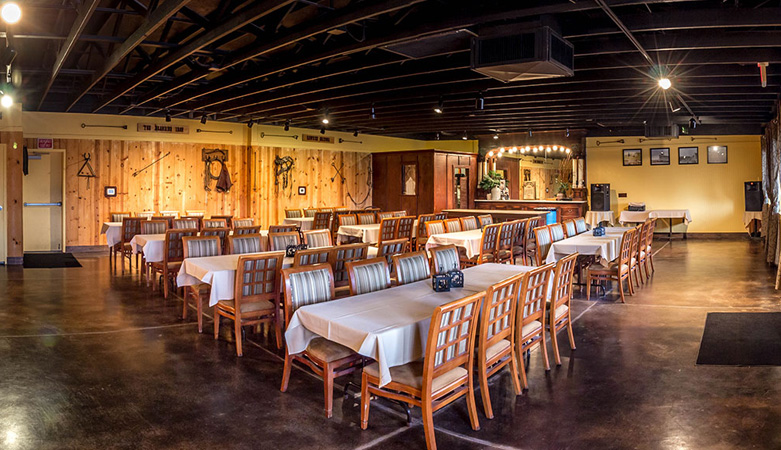
Effective restaurant operations are crucial for success in a competitive market like Chicago. A well-structured system encompassing staffing, inventory, and food preparation, coupled with sound cost management, directly impacts profitability and customer satisfaction. Understanding potential challenges and proactively addressing customer feedback are key components for long-term sustainability.Restaurant operations are a complex interplay of various elements. From the initial customer interaction to the final bill, every aspect must be meticulously planned and executed.
Efficient staffing, accurate inventory, and precise food preparation are all vital for a smooth and satisfying dining experience. This comprehensive approach will be vital for Branding Iron’s success in the Chicago market.
Staffing
Effective staffing is paramount for maintaining a high-quality service experience and ensuring efficient operations. A well-trained and motivated staff is crucial for handling customer needs promptly and courteously, contributing to a positive brand perception. This requires careful scheduling to account for peak hours and potential staffing gaps, and implementing clear communication protocols.
Inventory Management
Maintaining accurate inventory levels is essential for minimizing food waste and ensuring sufficient supplies. Implementing a robust inventory management system, incorporating software if possible, will help track stock levels, predict demand, and optimize ordering strategies. This minimizes spoilage and ensures the restaurant always has the necessary ingredients on hand.
Food Preparation
Standardized recipes and procedures are essential for maintaining consistent quality in food preparation. Well-defined protocols for food handling, preparation, and presentation are crucial to ensure safety and maintain a high level of customer satisfaction. Clear communication and training among kitchen staff are critical to achieve this consistency.
Cost and Revenue Management
Managing costs and revenue effectively is a critical component of profitability. Developing a detailed cost analysis, including ingredient costs, labor costs, and overhead expenses, allows for better pricing strategies and profit forecasting. Sales data analysis is critical to understanding demand and optimizing pricing to maximize revenue. A clear understanding of both costs and revenue allows for informed decision-making.
Potential Challenges for a New Restaurant in Chicago
Competition is fierce in the Chicago restaurant market. High operating costs, attracting and retaining quality staff, and navigating complex regulations are common hurdles. Understanding and adapting to local tastes and preferences is essential for success. Effective marketing strategies are critical to establish a presence and attract a loyal customer base.
Customer Feedback and Reviews
Customer feedback is a valuable source of information for identifying areas for improvement. Proactively seeking feedback, both positive and negative, can help address potential issues quickly. Monitoring online reviews and responding promptly to customer comments and concerns are essential for managing reputation. Constructive feedback should be viewed as an opportunity to refine services and processes.
Solutions for Managing Potential Issues
Implementing a comprehensive problem-solving process, including clear communication channels and well-defined procedures for handling complaints, is crucial. Developing a system for collecting and analyzing feedback from staff and customers is essential to identify and address potential issues. Maintaining open communication with suppliers and vendors will also help mitigate potential supply chain disruptions. Adaptability and flexibility are key to addressing unforeseen challenges.
Restaurant Operations Plan
| Task | Responsibility | Timeline | Resources |
|---|---|---|---|
| Staffing schedule creation | Management | Weekly | Scheduling software, staff roster |
| Inventory ordering | Chef/Purchasing Manager | Weekly/Bi-weekly | Inventory management software, supplier contacts |
| Food preparation procedure review | Kitchen Manager | Monthly | Recipe books, staff training materials |
| Cost analysis review | Financial Manager | Monthly | Accounting software, sales data |
| Customer feedback analysis | Management/Marketing Team | Weekly | Review platforms, social media monitoring tools |
Epilogue
In conclusion, Branding Iron Restaurant Chicago has the potential to become a significant player in the city’s vibrant culinary landscape. By strategically combining a compelling brand identity, a well-defined menu, and effective digital marketing, the restaurant can establish a loyal customer base and thrive in the competitive Chicago market. The restaurant’s success hinges on its ability to resonate with its target audience and adapt to evolving market trends.
FAQ Resource
What is the target audience for Branding Iron Restaurant?
The target audience for Branding Iron is likely to be young professionals, foodies, and individuals seeking a unique dining experience in the Chicago area, with a focus on quality and a sophisticated ambiance.
What sets Branding Iron apart from other Chicago restaurants?
Branding Iron’s unique selling proposition lies in its brand identity and the creative culinary concepts it plans to implement, differentiating it from other restaurants in Chicago’s competitive market.
What is the restaurant’s approach to sustainability?
The restaurant’s approach to sustainability is not detailed in the provided Artikel. This could be a crucial aspect to be considered for the full branding strategy.
How will Branding Iron manage customer feedback?
Effective management of customer feedback is vital for any restaurant. Branding Iron should establish systems to collect, analyze, and respond to customer feedback promptly and efficiently, allowing for continuous improvement in the restaurant’s services.