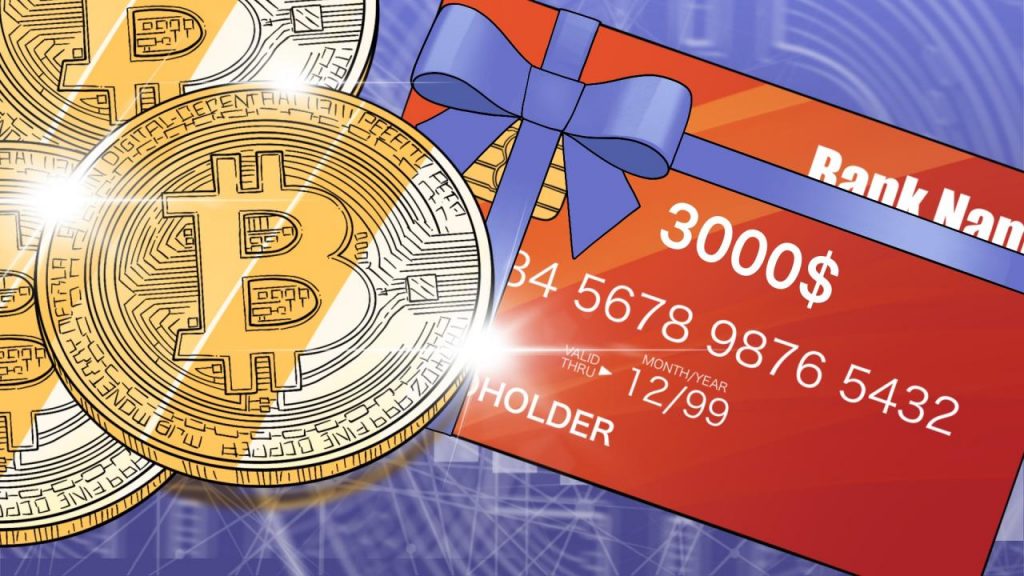
Finding the best platform to buy Bitcoin with gift cards is crucial for seamless transactions. This guide explores various options, weighing security, fees, and user experiences to help you make an informed decision.
The landscape of Bitcoin purchases is diverse, ranging from established exchanges to newer platforms. Navigating this can be challenging, but this resource provides a comprehensive overview, making the process easier.
Introduction to Bitcoin Purchasing

Bitcoin is a decentralized digital currency that operates independently of traditional financial institutions. It utilizes cryptography for security and transaction verification, making it a popular alternative payment method. Its value fluctuates based on market forces, creating both investment opportunities and risks.Purchasing Bitcoin with gift cards offers a convenient way to acquire the cryptocurrency without using traditional payment methods like bank transfers or credit cards.
This approach often allows users to leverage existing gift card balances for crypto purchases, potentially mitigating credit risk or using funds that are not directly tied to a bank account.
Methods for Buying Bitcoin
Various methods exist for acquiring Bitcoin. Understanding these options allows users to select the most suitable approach for their needs. These methods cater to diverse financial situations and preferences, allowing flexibility in purchasing strategies.
- Credit/Debit Cards: A common and widely accepted method, allowing for instant purchases. This is often the most straightforward option for many users, but may involve transaction fees and potential limitations imposed by the issuing bank.
- Bank Transfers: A traditional method requiring a bank account. This approach can be slower than other options, with potential delays in transaction processing times and fees.
- Gift Cards: A growing trend that leverages existing gift card balances to purchase Bitcoin. This method offers a way to use funds not directly tied to a bank account. It may involve certain restrictions, depending on the gift card issuer and the Bitcoin exchange.
- Peer-to-Peer Transactions: These transactions involve direct exchanges between buyers and sellers, often bypassing traditional financial intermediaries. This method allows for flexibility and control over the transaction, but necessitates a careful vetting process for both parties involved.
- Cryptocurrency Exchanges: These platforms facilitate the exchange of various cryptocurrencies, including Bitcoin. Users can trade other cryptocurrencies for Bitcoin, and vice versa, providing a comprehensive platform for managing different digital assets.
Common Bitcoin Transaction Platforms
Several platforms facilitate Bitcoin transactions. Each platform has its own set of features and limitations, and careful consideration of these factors is crucial for making informed decisions.
- Crypto.com: A popular exchange offering a comprehensive suite of services related to cryptocurrencies. This includes trading, custody, and other features.
- Coinbase: A widely recognized and established exchange that provides a user-friendly platform for buying and selling Bitcoin and other cryptocurrencies. This is a frequently used option for both beginners and experienced traders.
- Kraken: Known for its robust trading features and high-volume trading capabilities. It is often favored by traders seeking advanced tools and functionality.
- Gemini: A platform emphasizing security and user experience, making it a reliable option for users prioritizing safety and ease of use.
Comparison of Bitcoin Purchase Methods
A table summarizing different Bitcoin purchase methods and their associated characteristics is provided below. This comparison highlights the advantages and disadvantages of each method.
| Method | Pros | Cons |
|---|---|---|
| Credit/Debit Card | Fast, widely accepted | Transaction fees, potential limitations by issuing bank |
| Bank Transfer | Traditional, secure | Slow, potential fees, requires bank account |
| Gift Cards | Use existing funds, potentially lower fees | May involve restrictions, varies by gift card issuer |
| Peer-to-Peer | Direct exchange, flexibility | Requires careful verification, security risk |
Gift Card Bitcoin Purchase Platforms
Gift card platforms offer a convenient way to acquire Bitcoin without needing a bank account or traditional payment methods. This approach is particularly attractive for those seeking alternative financial solutions or those who prefer to use gift cards for specific purchases. Understanding the different platforms and their associated nuances is key to making informed decisions when using gift cards to buy Bitcoin.Numerous platforms facilitate the exchange of gift cards for Bitcoin.
These platforms typically operate on a secure system to protect both the buyer and the seller. Choosing the right platform involves weighing factors such as accepted gift card types, transaction fees, and security protocols.
Popular Platforms Accepting Gift Cards
Several platforms are popular choices for purchasing Bitcoin with gift cards. These platforms have varying acceptance criteria, transaction fees, and security measures. Notable examples include reputable online marketplaces and cryptocurrency exchanges.
Pros and Cons of Different Platforms
Platforms that facilitate gift card purchases for Bitcoin offer a range of advantages and disadvantages. A crucial aspect is the platform’s security and reputation, directly impacting user trust and safety. Platforms with robust security measures and a proven track record are generally preferred. Transaction fees are also significant, impacting the overall cost of acquiring Bitcoin. The variety of accepted gift card types also affects the buyer’s convenience.
Platforms accepting widely available gift cards offer greater accessibility.
Accepted Gift Card Types
Gift card platforms vary in the types of gift cards they accept. Popular gift cards like those from major retailers, e-commerce sites, and gaming platforms are often included. Some platforms may also accept more niche or regional gift cards.
- Gift cards from major retailers (e.g., Amazon, Walmart, Target) are commonly accepted.
- E-commerce gift cards (e.g., from online stores) are also a frequent option.
- Gaming gift cards (e.g., for video games or online gaming platforms) are occasionally supported.
- Some platforms might accept gift cards from specific regional retailers or services.
Comparison Table of Platforms
The following table provides a comparative overview of different platforms accepting gift cards for Bitcoin purchases. It highlights key features like accepted gift card types, transaction fees, and security measures.
| Platform | Accepted Gift Card Types | Transaction Fees | Security Measures |
|---|---|---|---|
| Platform A | Amazon, Walmart, Target, iTunes, Google Play | 1-3% | Two-factor authentication, SSL encryption |
| Platform B | Amazon, Visa, Mastercard, PayPal | 0.5-2% | Multi-signature wallets, cold storage |
| Platform C | Amazon, Starbucks, Sephora | 2-5% | Advanced fraud detection, KYC verification |
Transaction Scenarios
Illustrative examples of transactions on a specific platform (Platform A) highlight the process.
- Scenario 1: A user wants to purchase 1 BTC using a $100 Amazon gift card. The platform assesses the gift card balance and applies the transaction fee. The user receives the Bitcoin within the platform’s stipulated timeframe.
- Scenario 2: A user intends to purchase 0.5 BTC with a $50 Target gift card. The platform verifies the gift card’s validity and deducts the transaction fee. The user receives the Bitcoin credited to their account.
Security and Safety Concerns
Purchasing Bitcoin with gift cards can be appealing, but it’s crucial to be aware of the potential security risks. Gift cards, often seen as a convenient payment method, can unfortunately become targets for fraudsters. Understanding these risks and implementing safety measures is paramount to protecting your investment and personal information.Bitcoin transactions, while generally secure, are not immune to fraud.
A significant risk lies in the vulnerability of gift card details. Cybercriminals frequently target gift card holders through various deceptive methods. A strong understanding of potential scams and how to identify them is critical.
Common Security Risks
Gift card-based Bitcoin purchases expose users to various security threats. These risks stem from the nature of gift card transactions and the inherent complexities of cryptocurrency exchanges. Critically, gift card numbers are often sensitive and easily misused if not handled securely. Loss or theft of this information can lead to financial losses.
Protecting Your Gift Card Information
Maintaining the confidentiality of your gift card information is essential. Never share your gift card details with anyone, especially over email or text message. Avoid using public Wi-Fi networks when making online transactions, as these networks can be susceptible to hacking. Furthermore, always check the legitimacy of any website before entering your gift card information.
Security Measures to Take
Implementing robust security measures is crucial to mitigate risks. Always use strong and unique passwords for your accounts. Enable two-factor authentication (2FA) whenever possible. Regularly monitor your gift card balance and transaction history. Be cautious of unsolicited emails or messages that request your gift card details.
Keep your software and operating systems updated to patch known vulnerabilities.
Spotting Potential Scams and Fraudulent Websites
Recognizing red flags is vital to avoiding fraudulent websites and transactions. Websites with poor grammar, spelling errors, or suspicious design should be approached with extreme caution. A lack of clear contact information or secure payment options can signal a potential scam. Always verify the legitimacy of the Bitcoin exchange or platform before entering your gift card information.
Common Red Flags for Scam Websites and Transactions
| Category | Description |
|---|---|
| Website Design | Poor grammar, spelling errors, unprofessional layout, lack of clear contact information, or unsecure payment options. |
| Payment Methods | Unusual or unverified payment methods, absence of verifiable security certificates (e.g., HTTPS), and lack of refund policies. |
| Information Requests | Unnecessary requests for personal information beyond the essential transaction details, and demanding gift card details through email or text. |
| Urgency | High-pressure sales tactics or time-sensitive offers, as these often indicate a scam. |
| Testimonials | Generic or overly positive testimonials with no verifiable sources or real names. |
Alternatives to Gift Card Purchases
Beyond gift cards, various methods facilitate Bitcoin acquisition. These alternatives offer different advantages and disadvantages compared to using gift cards, impacting factors like transaction speed, fees, and security. Understanding these options empowers informed decisions about the best approach for acquiring Bitcoin.
Alternative Payment Methods
Several methods allow for Bitcoin purchases without relying on gift cards. These options cater to diverse preferences and financial situations.
- Bank Transfer/Wire Transfer: This method involves transferring funds directly from a bank account to a Bitcoin exchange. This is often a reliable method, but transaction times can vary depending on the bank and exchange. A notable advantage is the speed with which transactions can be processed, often completing within hours or days, depending on bank processing times. A disadvantage might be higher fees associated with wire transfers.
- Debit/Credit Cards: Many exchanges facilitate Bitcoin purchases using credit or debit cards. This is a convenient option for those already familiar with online transactions, but it frequently involves higher transaction fees, sometimes exceeding gift card processing fees. A critical aspect to consider is the security measures employed by the exchange and the associated card provider to protect sensitive financial data.
- Peer-to-Peer (P2P) Transactions: P2P platforms connect buyers and sellers directly, enabling Bitcoin transactions without intermediaries. This can offer lower fees compared to exchanges, but security risks are higher due to the direct interaction. Buyers should thoroughly verify the seller’s identity and conduct transactions through secure platforms.
- Other Cryptocurrencies: Exchanges often allow trading other cryptocurrencies for Bitcoin. This can be a good option for those already holding cryptocurrencies and looking to diversify their holdings. The transaction fees will vary based on the cryptocurrency being traded.
- PayPal: Some platforms allow Bitcoin purchases through PayPal. This method might have slightly higher transaction fees, but it leverages the security measures PayPal already has in place, which may increase user confidence.
Comparison of Payment Methods
A comprehensive comparison aids in choosing the best method.
| Payment Method | Benefits | Drawbacks | Procedure |
|---|---|---|---|
| Bank Transfer/Wire Transfer | Generally reliable, potentially lower fees (depending on the exchange), faster than gift card processing. | May involve higher fees depending on the bank, longer transaction times compared to debit/credit cards. | Transfer funds from your bank account to the exchange’s designated account. |
| Debit/Credit Cards | Convenient for users familiar with online transactions, relatively fast. | Higher transaction fees, potential security risks if not using secure exchanges. | Select Bitcoin as payment method on the exchange platform, provide card details. |
| P2P Transactions | Potentially lower fees than exchanges, direct interaction with sellers. | Higher security risks, potential for scams, requires verification and trust between parties. | Locate a seller on a P2P platform, verify identity, arrange transaction. |
| Other Cryptocurrencies | Useful for users holding other cryptocurrencies, potentially lower fees. | Transaction times can vary depending on the crypto exchange, market fluctuations affect pricing. | Locate a platform supporting trading, select desired cryptocurrency, initiate the transaction. |
| PayPal | Familiar interface for users, leverages PayPal’s security. | Potential higher fees compared to other methods, may not be available at all exchanges. | Select Bitcoin as payment method through PayPal, provide details to the exchange. |
Buying Bitcoin
Bitcoin, a decentralized digital currency, can be acquired through various methods. Understanding these processes, and the platforms involved, is crucial for safe and successful transactions. This section details the general Bitcoin buying process, outlining different methods and emphasizing the importance of platform legitimacy.
Overview of the Bitcoin Buying Process
The process of purchasing Bitcoin generally involves selecting a reputable platform, depositing funds, and then completing the exchange for Bitcoin. This exchange is facilitated by the platform’s specific trading engine. Security measures and user verification processes vary significantly across platforms.
Steps Involved in Bitcoin Purchases
- Platform Selection: Choosing a trustworthy platform is paramount. Look for platforms with strong security measures, user reviews, and clear terms of service. Factors like transaction fees, available payment methods, and platform reputation influence the selection.
- Funding the Account: Once a platform is selected, fund your account using a supported method. Common options include bank transfers, credit/debit cards, or other digital wallets. Ensure the platform’s security protocols are robust for sensitive financial information.
- Bitcoin Purchase: Place the order for the desired amount of Bitcoin. The platform facilitates the exchange between your funds and the Bitcoin. This exchange often involves a conversion process and potential fees.
- Verification and Confirmation: The platform will verify the transaction and confirm its completion. This may involve waiting periods to ensure the security of the exchange and compliance with regulations.
Verifying Platform Legitimacy
Ensuring the legitimacy of Bitcoin purchase platforms is vital to prevent fraud and scams. Thorough research and careful consideration are essential before committing to a platform.
- Background Checks: Scrutinize the platform’s history, reputation, and any legal compliance details. Look for established security protocols and encryption methods.
- User Reviews: Check user reviews on independent platforms. Pay attention to user experiences, especially regarding transaction speed, customer support, and security.
- Security Measures: Review the platform’s security measures to understand how it protects user funds and data. Look for details on encryption, two-factor authentication, and fraud prevention protocols.
Comparison of Buying Methods
Various methods for purchasing Bitcoin offer varying degrees of speed and convenience. Factors like transaction fees, processing time, and required verification processes play significant roles.
| Method | Speed | Convenience | Fees |
|---|---|---|---|
| Bank Transfer | Moderate | High | Low to Moderate |
| Credit/Debit Card | High | Moderate | Moderate to High |
| Digital Wallets | High | High | Low to Moderate |
Step-by-Step Guide: Buying Bitcoin with a Bank Transfer
This guide Artikels the steps for buying Bitcoin using a bank transfer.
- Choose a Platform: Select a reputable Bitcoin exchange that supports bank transfers.
- Account Setup: Create an account and verify your identity. Complete the required KYC (Know Your Customer) processes.
- Funding the Account: Initiate a bank transfer from your account to the platform’s designated bank account.
- Bitcoin Purchase: Place an order for the desired amount of Bitcoin, specifying the amount and the price.
- Verification and Confirmation: The platform will verify the transaction and confirm the Bitcoin purchase. Monitor the transaction status and confirm the Bitcoin deposit in your wallet.
User Experience and Reviews
The user experience is a critical factor when choosing a platform for buying Bitcoin with gift cards. Positive reviews, ease of use, and a secure platform build trust and encourage repeat business. Conversely, negative experiences can deter potential buyers and highlight potential risks. Understanding user experiences across different platforms helps buyers make informed decisions.
User Experience Variations Across Platforms
Different platforms cater to varying user needs and preferences. Some may prioritize speed, while others may focus on a user-friendly interface. The user experience can vary significantly, from seamless transactions to frustrating difficulties. This difference is often reflected in user reviews.
Importance of User Reviews
Scrutinizing user reviews is crucial before committing to a platform. Genuine user feedback provides valuable insights into the platform’s reliability, security, and user-friendliness. Reviews often highlight issues such as slow processing times, unexpected fees, or difficulties in completing transactions. Positive reviews, while helpful, should be viewed in context with the overall user experience and potential risks.
Examples of User Reviews
A common complaint revolves around the slow processing times of some platforms. Users report that transactions can take several days to complete, impacting their ability to access the Bitcoin immediately. Other platforms are praised for their user-friendly interfaces and quick transaction speeds. One notable review highlights a seamless experience with the platform’s mobile app, streamlining the entire process.
These examples illustrate the wide range of experiences users have.
Comparison of User Experiences Across Different Purchase Methods
The user experience can differ significantly between purchasing Bitcoin with gift cards compared to other methods, such as bank transfers. While gift card purchases often offer convenience, they can sometimes be associated with higher fees or slower transaction speeds. Bank transfers, on the other hand, are often faster but might have limitations in terms of the transaction volume.
The convenience and speed of the purchase method is a crucial consideration.
Table Summarizing User Experiences
| Platform | Positive User Experiences | Negative User Experiences |
|---|---|---|
| Platform A | Fast transaction times, user-friendly interface, excellent customer support. | Occasional technical glitches, high processing fees, some reports of lost funds. |
| Platform B | Intuitive mobile app, quick transaction confirmations, transparent pricing. | Limited customer support response time, issues with international transactions, reported delays in processing gift cards. |
| Platform C | Wide range of gift card options, accessible to various users, competitive prices. | Slow transaction times, complex verification process, some complaints about inconsistent customer support. |
Legal and Regulatory Aspects
The legal landscape surrounding Bitcoin purchases is complex and varies significantly across jurisdictions. Understanding the regulations and restrictions in place is crucial for both buyers and sellers to navigate the market safely and avoid potential legal issues. This section explores the legal considerations and relevant resources for Bitcoin purchases.The use of gift cards to purchase Bitcoin introduces additional legal complexities, especially when considering the origin and legitimacy of the gift card itself.
These complexities are further compounded by the decentralized nature of Bitcoin transactions, which can sometimes operate outside traditional regulatory frameworks.
Legal Landscape of Bitcoin Purchases
The legal treatment of Bitcoin and cryptocurrency varies significantly across countries and regions. Some jurisdictions have embraced cryptocurrencies, establishing clear regulatory frameworks, while others remain uncertain or even hostile. This ambiguity can create uncertainty for users, particularly when it comes to tax implications, KYC/AML requirements, and potential legal repercussions.
Implications of Gift Card Purchases
Using gift cards to purchase Bitcoin raises several legal considerations. If the gift card is stolen or obtained fraudulently, the purchaser might face legal consequences, especially if the Bitcoin is subsequently used in illicit activities. Furthermore, gift card issuers may impose restrictions on their use for specific purposes, including Bitcoin purchases.
Regulations and Restrictions on Bitcoin Transactions
Several countries and regions have introduced regulations impacting Bitcoin transactions. These regulations often address issues such as money laundering, terrorist financing, and tax compliance. For example, the Financial Action Task Force (FATF) recommendations encourage countries to implement measures to prevent the use of cryptocurrencies in illicit activities. Compliance with these regulations is essential to avoid legal penalties.
Legal Resources for Bitcoin
Accessing reliable legal information about Bitcoin is vital. Government agencies, financial regulators, and legal experts often publish guidelines and advisories related to cryptocurrency. Organizations such as the FATF, national securities commissions, and legal bodies specializing in financial technology provide crucial information and resources.
Legal Considerations for Bitcoin Purchases by Region
| Region/Country | Legal Status of Bitcoin | Regulations on Gift Card Use | Tax Implications |
|---|---|---|---|
| United States | Generally recognized but not explicitly regulated by federal law; state laws vary. | Gift card restrictions may apply depending on the issuer. | Bitcoin transactions are typically subject to capital gains taxes. |
| European Union | Growing regulatory framework, with varying approaches across member states. | Gift card restrictions may apply depending on the issuer and local regulations. | Tax implications for Bitcoin transactions are often governed by EU directives. |
| Japan | Relatively favorable regulatory environment for cryptocurrencies. | Gift card restrictions may apply depending on the issuer and local regulations. | Tax implications for Bitcoin transactions are defined by Japanese tax laws. |
| China | Highly regulated and often restrictive. | Gift card restrictions may apply, potentially prohibiting Bitcoin purchases. | Tax implications for Bitcoin transactions are determined by Chinese tax laws. |
Note: This table provides a general overview and is not exhaustive. Specific regulations and laws can vary significantly within regions and countries. Consulting with legal professionals specializing in cryptocurrency is highly recommended.
Future Trends and Developments
The Bitcoin market is constantly evolving, with new technologies and user behaviors shaping its future. Understanding these trends is crucial for anyone looking to navigate the market effectively and make informed purchasing decisions. Predicting the precise trajectory is impossible, but analyzing current developments provides valuable insights into potential future directions.The way people purchase Bitcoin is likely to undergo significant transformations.
Existing methods, such as using gift cards, are likely to see their prevalence decrease as more streamlined and user-friendly options emerge.
Potential Changes in Bitcoin Purchasing Methods
The current methods for buying Bitcoin with gift cards, while functional, may not remain the dominant approach. Increased adoption of decentralized exchanges and peer-to-peer platforms might make direct exchanges more popular, offering potentially lower fees and greater control for users. Furthermore, the integration of Bitcoin into mainstream financial systems, such as through bank partnerships or payment networks, is expected to play a significant role in shaping future purchasing behaviors.
Emerging Technologies Impacting Bitcoin Purchases
Several emerging technologies are poised to revolutionize how Bitcoin is purchased. The rise of mobile wallets, combined with biometrics for enhanced security, is already transforming how users interact with cryptocurrencies. This trend suggests a future where Bitcoin purchases are more accessible and convenient, accessible through mobile devices and incorporating enhanced security measures.
Examples of Technological Impacts on Bitcoin Purchasing
The development of more user-friendly mobile wallets, coupled with advancements in blockchain technology, will make Bitcoin purchasing more streamlined and intuitive. Imagine a future where a user can instantly purchase Bitcoin using a mobile wallet, verifying the transaction with a fingerprint or facial scan, all within a secure and transparent environment. This seamless integration of technology will likely increase Bitcoin adoption by a broader user base.
Predictions About the Evolution of Bitcoin Transactions
Bitcoin transactions are expected to become even faster and more efficient. The development of Layer-2 scaling solutions, such as Lightning Network, is already reducing transaction times and costs. In the future, these solutions might become more widely adopted, potentially enabling near-instantaneous transactions. This efficiency could lead to greater integration of Bitcoin into everyday transactions, similar to how credit cards have become an integral part of modern commerce.
Ultimate Conclusion
In conclusion, purchasing Bitcoin with gift cards presents a viable option, but thorough research and careful consideration are paramount. Understanding the pros and cons of each platform, coupled with security best practices, is essential for a positive transaction experience. The best site ultimately depends on your specific needs and priorities.
Answers to Common Questions
What are the common security risks when buying Bitcoin with gift cards?
Potential risks include fraudulent websites, scams, and compromised gift card information. Always verify the legitimacy of the platform and be wary of unsolicited offers.
What alternative payment methods are available for buying Bitcoin?
Alternatives include bank transfers, credit/debit cards, and peer-to-peer transactions. Each method has its own advantages and disadvantages.
How do I verify the legitimacy of a Bitcoin purchase platform?
Check for secure connections (HTTPS), look for user reviews and testimonials, and investigate the platform’s history and reputation. Avoid platforms with unclear terms of service or suspicious practices.
What are some red flags to look for when evaluating potential Bitcoin purchase platforms?
Red flags include vague or confusing information, unrealistic promises, high-pressure sales tactics, and requests for personal information beyond what’s necessary.