April 20, 2026

branding

Branding iron easter brunch is not just about delicious food; it’s an opportunity to create unforgettable experiences that linger in the minds of guests. The significance of branding in such events cannot be overstated, as it sets the tone, attracts attendees, and differentiates your brunch from others. Through strategic branding, you can elevate a simple gathering into a festive celebration that resonates with the spirit of Easter.

As we delve deeper into this topic, we’ll explore the essential components of effective branding, the design of thematic branding irons, and the marketing strategies that can amplify your brunch event’s reach. We’ll also discuss how to engage guests through interactive experiences and evaluate the impact of branding on satisfaction and loyalty.

Importance of Branding in Easter Brunch Events

Branding plays a critical role in establishing a unique identity for Easter brunch events, influencing how potential guests perceive and engage with the experience. A well-crafted brand can evoke emotions, build trust, and create lasting memories associated with the event, setting it apart from the competition. In an age where consumers are bombarded with choices, effective branding can be the key to standing out and attracting attendees.Branding not only helps in establishing a distinct presence in the market but also communicates the values and atmosphere of the event.

It encompasses everything from the event name and logo to the choice of colors, typography, and overall theme, all of which work together to create a cohesive experience. By presenting a strong brand, event organizers can ensure that their Easter brunch resonates with the target audience and fosters a sense of community and celebration.

Successful Branding Strategies in Easter Brunches

Implementing successful branding strategies can significantly enhance the appeal of Easter brunch events. Here are some noteworthy strategies:

  • Thematic Consistency: A consistent theme that reflects the spirit of Easter, such as spring florals or pastel colors, can create a visually appealing and immersive environment. This includes decorations, table settings, and even promotional materials that align with the theme.
  • Creative Naming: Choosing a memorable and descriptive name for the brunch can help create intrigue. For instance, names like “Bunny Brunch Bash” or “Egg-cellent Feast” can attract attention and convey a fun atmosphere.
  • Engaging Social Media Presence: Utilizing social media platforms to showcase behind-the-scenes preparations, menu highlights, and guest experiences can enhance brand visibility. Regular updates and engaging content help build anticipation and excitement around the event.
  • Collaborations with Local Businesses: Partnering with local bakeries, florists, or artisans can not only enrich the brunch experience but also create a sense of community. Examples include featuring locally-sourced ingredients in the menu or showcasing local crafts as decor.
  • Interactive Experiences: Incorporating activities such as egg decorating stations or photo booths can enhance guest engagement and make the event more memorable. These experiences become part of the brand narrative, encouraging attendees to share their experiences on social media.

Successful Easter brunch events often leverage these strategies to create a cohesive and appealing brand experience. For instance, the “Spring Fling Brunch” at a local hotel integrated floral arrangements, seasonal menus, and live music, resulting in high attendance and positive feedback. This illustrates how effective branding can cultivate a loyal customer base and elevate the overall success of the event.

Elements of Effective Branding for Easter Brunch

The branding of an Easter brunch plays a pivotal role in shaping guest perceptions and experiences. Effective branding creates a memorable atmosphere that resonates with the theme of the occasion, enhancing guest engagement and satisfaction. Understanding and implementing key branding elements can significantly elevate the overall event, ensuring that it stands out in a crowded marketplace.Color, typography, and imagery are fundamental components of effective branding, each serving a unique purpose in shaping guest perceptions.

Colors evoke emotions and set the tone for the event. For example, pastel colors like soft pinks, blues, and yellows are often associated with Easter and springtime, creating a warm and inviting atmosphere. Typography must align with the overall theme, conveying elegance or playfulness as needed. Imagery is also crucial; high-quality visuals of food, decor, and the overall setting can attract guests and enhance the aesthetic appeal of marketing materials.

Key Components Influencing Guest Perception

Several key components contribute to effective branding that influences how guests perceive an Easter brunch event. These components include:

  • Consistent Brand Identity: A cohesive brand identity across all materials reinforces recognition and trust.
  • Distinctive Logo: A unique logo can create a memorable impression, serving as a visual anchor for the event.
  • Engaging Tagline: A catchy tagline encapsulates the event’s essence, making it easy for guests to remember.

Use of Color, Typography, and Imagery

The strategic use of color, typography, and imagery is essential in creating an impactful branding experience. These elements work together to create a harmonious visual language that resonates with guests.

Color

Soft pastels symbolize renewal and joy, making them ideal for Easter brunch. Incorporating floral patterns and vibrant accents can add depth and excitement.

Typography

Choose fonts that align with the event’s theme. For a formal brunch, elegant serif fonts can convey sophistication, while playful sans-serif fonts may suit a more casual gathering.

Imagery

Utilize high-resolution images showcasing the food, decor, and ambiance. Pictures of beautifully arranged tables, colorful egg displays, and inviting brunch dishes can entice potential guests.

Essential Branding Materials

To effectively communicate your branding, certain materials are essential. These materials not only promote the event but also enhance the guest experience. Key branding materials for an Easter brunch include:

  • Menus: A visually appealing menu that reflects the branding theme can excite guests about the offerings.
  • Invitations: Invitations should mirror the tone and aesthetics of the brunch, whether it’s casual or upscale, setting expectations for the event.
  • Signage: Clear and attractive signage helps guide guests, ensuring a smooth experience from arrival to departure.
  • Table Settings: Decor that aligns with the branding theme, such as custom table runners or centerpiece designs, enhances the overall atmosphere.

“Effective branding is not just about a logo; it’s about creating an experience that resonates with your guests and leaves a lasting impression.”

Designing a Branding Iron for Easter Brunch

Creating a unique branding iron for Easter brunch is an engaging way to elevate your event’s identity while adding a personal touch. The design process allows you to infuse the spirit of Easter into the branding, ensuring that every bite reflects the festive theme. Crafting an effective branding iron involves several considerations, from choosing the right imagery to selecting suitable materials that can withstand the heat of the culinary creations.When designing a branding iron specific to Easter themes, start by brainstorming symbols that resonate with the holiday.

Common motifs include Easter eggs, bunnies, flowers, and religious symbols like crosses. Once you have chosen your imagery, sketch out a design that captures the essence of Easter while being simple enough to translate well onto food. The size of the branding iron should be practical, allowing it to fit comfortably on various food items, whether it’s a roast, bread, or even butter.

Materials and Techniques for Crafting Branding Irons

The choice of materials and techniques is crucial in the production of a branding iron, as they must be able to endure high temperatures without compromising the quality of the imprint. Here’s a breakdown of commonly used materials and techniques:

  • Steel: Stainless steel is a popular choice due to its durability and corrosion resistance. It can withstand high temperatures and provides a clean, sharp imprint.
  • Copper: Copper branding irons heat up quickly and offer excellent heat conductivity. They are often used for smaller designs and can give a vintage feel.
  • Wooden Handles: When designing a branding iron, incorporating a heat-resistant wooden handle can provide a comfortable grip while preventing burns during use.

Crafting techniques may vary, but the most common methods include:

  • Laser Engraving: This modern technique allows for intricate designs to be etched into the branding surface with precision.
  • Hand Forging: A traditional approach where artisans shape and create branding irons manually, allowing for unique designs and craftsmanship.

Incorporating Branding Elements into Food Presentation

Integrating branding elements into food presentation enhances the overall experience and reinforces your Easter brunch theme. By creatively applying branding to various dishes, you can create a cohesive aesthetic that delights guests. Here are some ideas to consider:

  • Branded Breads or Rolls: Use the branding iron to imprint your Easter design on freshly baked breads or rolls, providing a delightful visual and tasty treat.
  • Charcuterie Boards: Incorporate branded wooden boards for serving cheese and meats, enhancing the presentation and tying in the branding theme.
  • Butter and Spreads: A branding iron can be used to create an imprint on blocks of butter or spreads, making them more appealing on the table.

Implementing these branding ideas not only enhances the visual appeal of your Easter brunch but also engages guests, making the event memorable and unique.

Marketing Strategies for Easter Brunch Branding

Promoting an Easter brunch event requires a blend of creativity, strategic thinking, and community engagement. Effective marketing not only draws attention but helps to build a memorable brand presence that resonates with guests. By employing targeted strategies, businesses can enhance their visibility and foster a festive atmosphere that aligns with the Easter holiday.A multi-faceted approach to marketing is crucial for the success of an Easter brunch.

This includes leveraging social media platforms and forming collaborations with local businesses. The goal is to create an immersive experience that not only attracts attendees but also encourages them to share their experiences, amplifying the event’s reach.

Social Media Promotion for Branded Brunch Experiences

Social media serves as a powerful tool for promoting branded events, enabling venues to engage with their audience in real time. It’s important to utilize various platforms to create excitement and anticipation around the Easter brunch.

Effective social media marketing can significantly increase engagement and attendance at events through targeted outreach and interactive content.

Strategies for social media promotion include:

  • Visual Content: High-quality images and videos showcasing the brunch setup, dishes, and decor create an inviting atmosphere. An eye-catching visual post can capture attention more effectively than text alone.
  • Event Hashtags: Create a unique hashtag for the brunch event to encourage guests to share their experiences online. This helps consolidate user-generated content and promotes the event organically.
  • Behind-the-Scenes Content: Share stories or posts that highlight the preparation and creativity involved in planning the brunch. This gives followers a personal connection to the event and builds anticipation.
  • Live Updates: Use live video or stories during the event to engage followers in real time, showcasing the vibrant atmosphere and encouraging last-minute attendance.

Collaborating with Local Businesses for Enhanced Branding

Collaboration with local businesses can amplify marketing efforts for an Easter brunch. Partnering with complementary brands not only enriches the event experience but also broadens the reach of promotions.

Collaborative marketing creates mutual benefits, driving attendance and enhancing the overall brand image of participating businesses.

Consider the following strategies for effective collaboration:

  • Sponsorships: Approach local farms, bakeries, or florists to sponsor specific aspects of the brunch. This could be in the form of food donations, floral arrangements, or promotional giveaways.
  • Joint Promotions: Work with local businesses to create cross-promotional offers, such as discounts or bundle deals, that reward customers for attending both the brunch and visiting the partner store.
  • Collaborative Events: Host joint events with local artisans or chefs who can contribute to the brunch’s menu or offer workshops. This unique experience can attract a diverse audience and enrich the event’s branding.
  • Community Marketing: Engage in community events or fairs to promote the brunch ahead of time. Having a presence at local gatherings can create buzz and foster relationships within the community.

Case Studies of Successful Easter Brunch Branding
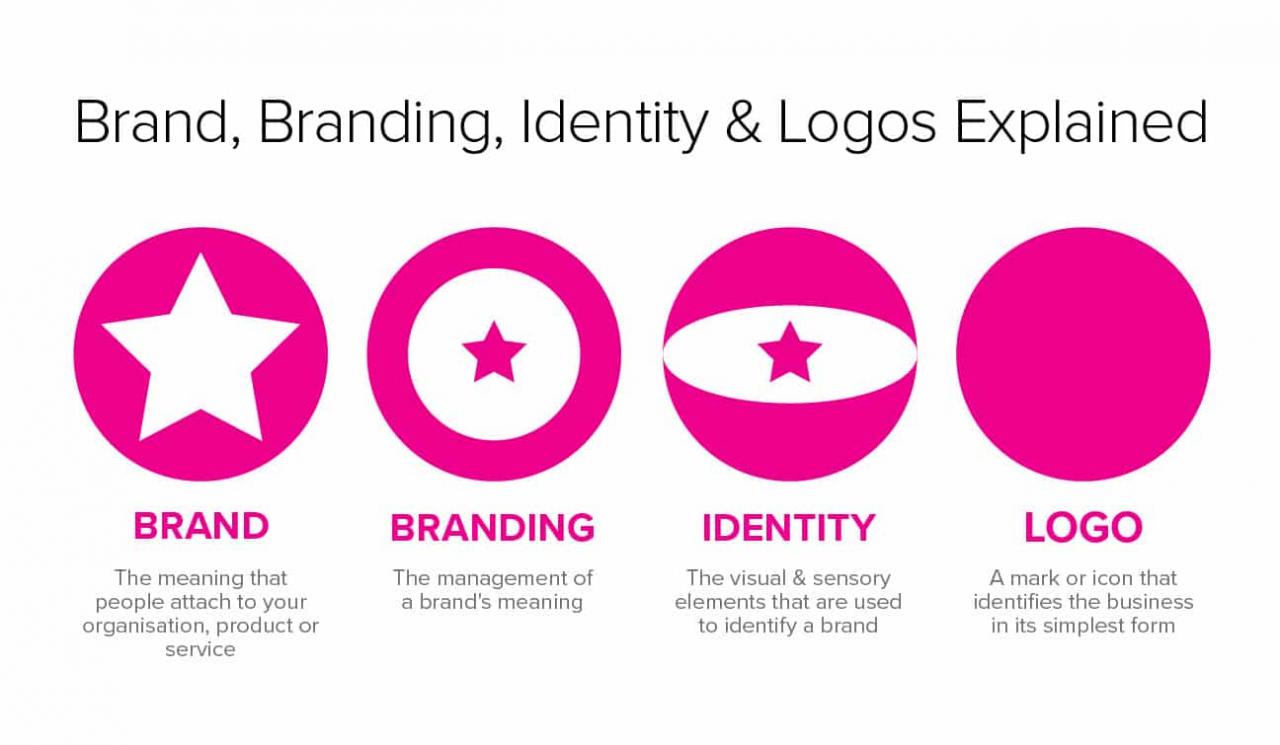
Demystifying Brand Analysis vs. Brand Strategy: A Comprehensive Guide ...

The significance of effective branding during Easter brunch events cannot be overstated, as it directly influences guest engagement, perception, and overall experience. By examining successful case studies, we can identify key strategies that have resonated with guests and set certain events apart from the competition. This analysis highlights the various methodologies that have contributed to memorable and branded Easter brunches.

Case Study: The Blooming Brunch at The Grand Hotel

The Grand Hotel hosted a renowned Easter brunch known as “The Blooming Brunch,” which focused on a floral theme that resonated with the season. The hotel effectively utilized its beautiful gardens, creating an immersive experience for guests. The branding strategy revolved around elegant floral displays, pastel color palettes, and menu items named after flowers.

  • Immersive Environment: Decor included blooming centerpieces and floral arrangements that visually integrated with the ambiance of the brunch.
  • Branded Menu: Each dish was named after a flower, enhancing the theme and creating a cohesive experience. For example, “Daisy Delight Pancakes.”
  • Engagement Activities: Guests participated in flower arranging workshops, further enriching the brunch experience.

“An experience is not just enjoyed; it’s remembered. Theming can elevate a brunch into a memorable event.”

Case Study: The Easter Feast at The Vintage Farmhouse

The Vintage Farmhouse took a rustic approach to its branding with “The Easter Feast,” emphasizing local produce and family-style dining. The branding hinged on community involvement, sourcing ingredients from local farms, which not only supported the local economy but also enriched the menu.

  • Local Sourcing: Each item on the brunch menu featured locally-sourced ingredients, enhancing freshness and quality.
  • Social Media Integration: Guests were encouraged to share their experiences online using a dedicated hashtag, which increased engagement and visibility.
  • Interactive Experiences: The venue included a petting zoo and craft stations for children, appealing to families and adding value to the event.

“Local connections foster a sense of community that translates into loyalty and enthusiasm for future events.”

Comparison of Branding Approaches

When comparing these two successful brunches, key differences in branding approach become clear. The Blooming Brunch emphasized visual aesthetics and immersive experiences, appealing to guests’ senses through decor and thematic elements. In contrast, The Easter Feast centered on community engagement and local sourcing, creating a feeling of warmth and family connection.

  • Aesthetic vs. Community Focus: The Blooming Brunch attracted guests with its stunning visuals, while The Easter Feast resonated with those seeking connection and sustainability.
  • Target Audience: The former catered to a more upscale clientele, while the latter appealed to families and local community members.
  • Engagement Strategies: The Blooming Brunch focused on experiential dining, whereas The Easter Feast emphasized interactive activities.

“Understanding your audience is crucial in defining your branding approach; it shapes every aspect of the event.”

Engaging Guests through Branded Experiences

Creating engaging and memorable experiences is crucial for branding during Easter brunch events. A well-executed branded experience not only enhances guest enjoyment but also fosters a deeper connection to the brand, making it more likely that guests will share their positive experiences with others. To effectively engage guests, hosts can implement interactive elements that resonate with the theme of the brunch and encourage active participation.One of the key aspects of successful branding is to provide guests with opportunities to interact with the brand in meaningful ways.

This can be achieved through various methods that leverage the festive spirit of Easter brunch. Consider incorporating themed activities that reflect the brand’s identity while also appealing to the interests of your guests.

Implementing Interactive Activities

Incorporating themed activities can create an engaging atmosphere that aligns with the branding of the Easter brunch. These activities should encourage guest participation and enhance their overall experience. Here are some ideas on how to implement interactive experiences:

  • Branded Photo Booth: Set up a photo booth with Easter-themed props and a backdrop that features your brand logo or colors. Guests will enjoy taking photos, and these images can be shared on social media, promoting your brand further.
  • Easter Egg Hunt: Organize an Easter egg hunt featuring eggs that represent different aspects of your brand. Include special prizes or giveaways for those who find specific eggs, creating excitement and engagement.
  • Interactive Stations: Create DIY food or drink stations where guests can customize their brunch items. This could include a pancake bar, mimosa station, or a cupcake decorating area, all branded with your logo or colors.
  • Live Entertainment: Hire entertainers who align with your brand theme, such as musicians, magicians, or themed characters that can interact with guests, enhancing the overall experience.
  • Feedback Stations: Set up a station for guests to share their feedback about the event. This can be done through digital surveys or interactive boards where guests can leave comments. This not only engages guests but also provides valuable insights for future branding efforts.

Engaging guests through these activities fosters a sense of community and belonging while reinforcing the brand’s identity.

“Guest feedback is a powerful tool that shapes the direction of branding efforts, allowing for improvements and tailored experiences.”

Understanding guest feedback is also vital in shaping branding efforts. Feedback helps identify what elements of the brunch resonated most with guests and what could be improved in future events. Implementing changes based on this feedback demonstrates that the brand values guest opinions, enhancing loyalty and satisfaction.Using insights gained from guest interactions and feedback, hosts can continuously refine their branding strategies to resonate more with their audience.

This iterative process not only strengthens the brand’s presence but also enhances guest loyalty, leading to word-of-mouth promotion and repeat attendance at future events.

Evaluating the Impact of Branding on Guest Satisfaction

The effectiveness of branding at Easter brunch events can significantly influence guest satisfaction. By carefully evaluating the brand’s impact, organizers can identify areas of improvement and strengthen their overall guest experience. This assessment is essential for fostering loyalty and encouraging repeat attendance at future events.Branding shapes the perception that guests have of an event, affecting not only their immediate experience but also their likelihood of returning.

A well-executed brand strategy can create a memorable atmosphere, resonate with attendees on a personal level, and enhance their overall enjoyment. Successful branding can lead to greater guest loyalty, transforming casual visitors into devoted patrons.

Metrics for Assessing Branding Effectiveness

To evaluate the impact of branding on guest satisfaction, it’s crucial to measure specific metrics that reflect the attendees’ experiences and perceptions. Key metrics that can provide insights include:

  • Net Promoter Score (NPS): This metric gauges guest willingness to recommend the brunch event to others. A high NPS indicates strong brand loyalty and satisfaction.
  • Customer Satisfaction Score (CSAT): This score measures overall guest satisfaction through direct feedback, often collected via post-event surveys.
  • Brand Recall: Assessing how well guests remember the branding elements, such as logos, themes, and messages, can indicate the effectiveness of the branding strategy.
  • Social Media Engagement: Analyzing likes, shares, and comments related to branding can provide insights into guest sentiment and engagement.
  • Repeat Attendance Rates: Tracking how many guests return for future events can help measure brand loyalty and satisfaction over time.

Influence of Branding on Guest Loyalty

Branding not only impacts immediate guest satisfaction but also fosters long-term loyalty. Guests who connect emotionally with the brand are more likely to return and spread the word about their positive experiences. Consistent branding creates familiarity, which is reassuring for guests, enhancing their overall enjoyment.The power of branding lies in its ability to create memorable experiences. For instance, a brunch event that features unique branding elements—like themed décor, signature dishes, and personalized service—can leave a lasting impression.

This emotional connection can be quantified through increased repeat visits and recommendations.

Strategies for Gathering Guest Feedback

Collecting and analyzing guest feedback is vital for understanding the impact of branding. Effective strategies for gathering insights include:

  • Post-Event Surveys: Distributing surveys immediately after the event can capture fresh impressions and feedback on branding elements.
  • Focus Groups: Organizing small group discussions with attendees can provide in-depth insights into their perceptions of the branding.
  • Online Reviews: Monitoring reviews on platforms like Yelp or Google can reveal guests’ thoughts on branding and areas for improvement.
  • Social Media Listening: Engaging with guests on social media and listening to their conversations can uncover valuable feedback regarding branding effectiveness.
  • Incentivized Feedback: Offering incentives, such as discounts for future events, can encourage guests to provide more detailed feedback on branding experiences.

Last Recap

In conclusion, mastering the art of branding for your Easter brunch can transform it into a remarkable occasion that guests will cherish. By implementing thoughtful branding strategies and fostering guest engagement, you not only enhance the overall experience but also build lasting connections that can turn a one-time event into a beloved tradition. Embrace the power of branding to make your Easter brunch stand out and truly memorable.

Query Resolution

What is the importance of branding for an Easter brunch?

Branding creates memorable experiences and helps differentiate your event from others, enhancing guest engagement and loyalty.

How can I design a branding iron for my brunch?

The design process involves choosing Easter themes, selecting materials, and incorporating branding elements into food presentation.

What branding materials should I prepare for an Easter brunch?

Essential materials include menus, invitations, signage, and any decorative items that reflect your branding theme.

How can social media help in branding my Easter brunch?

Social media platforms can effectively promote your event, showcase branded experiences, and engage with potential attendees.

What metrics can I use to evaluate branding effectiveness at my event?

Metrics can include guest satisfaction surveys, attendance rates, and feedback on branding elements and experiences.
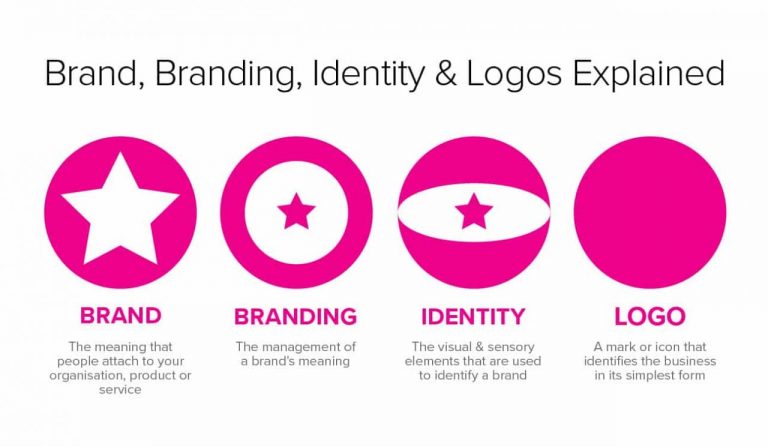
Branding Zimbabwe serves as a vital narrative that intertwines local culture with innovative business strategies, inviting both entrepreneurs and consumers to explore the unique identity of brands emerging from this vibrant nation.

Understanding the fundamentals of branding, the current landscape in Zimbabwe, and the cultural influences at play is essential for anyone looking to navigate and succeed in this dynamic market. From established brands to those just starting out, this discussion aims to shed light on the opportunities and challenges that define branding in Zimbabwe today.

Branding Fundamentals

Branding is a critical aspect of business that extends beyond mere logos and taglines; it embodies the essence of a company and its values. A strong brand resonates with consumers, builds trust, and sets a business apart in a competitive market. Effective branding can influence customer perceptions, drive loyalty, and ultimately contribute to a company’s success.The importance of branding lies in its ability to create an emotional connection between the business and its audience.

It goes hand-in-hand with marketing and customer experience, effectively communicating what a brand stands for and what it promises to deliver. This recognition often leads to customers choosing a particular brand over others, even in saturated markets.

Effective Branding Strategies

Numerous companies have successfully implemented branding strategies that have significantly impacted their market presence. Some noteworthy examples include:

  • Coca-Cola: Known for its iconic red and white branding, Coca-Cola has created a narrative around happiness and sharing, elevating its brand beyond just a beverage to a global symbol of joy.
  • Apple: With a focus on innovation, design, and user experience, Apple has cultivated a brand that represents cutting-edge technology and premium quality, often leading to a loyal customer base.
  • Nike: The “Just Do It” slogan and their consistent messaging around empowerment and performance have positioned Nike not just as an athletic brand but as a lifestyle choice for athletes and enthusiasts alike.

Each of these brands exemplifies how a clear identity and strategic messaging can create a powerful market presence.

Components of Successful Brand Identity

Creating a successful brand identity involves several key components that must work together cohesively. Understanding these elements can help businesses craft a memorable brand experience:

  • Logo: A unique symbol or design that represents the brand, making it easily recognizable.
  • Color Palette: Colors evoke emotions and associations; a well-chosen palette can influence how a brand is perceived.
  • Typography: The style and appearance of text used in branding materials that contributes to overall brand personality.
  • Brand Voice: The tone and style of communication that reflects the brand’s personality, ensuring consistent messaging across all platforms.
  • Tagline: A memorable phrase that encapsulates the essence of the brand, enhancing recognition and recall.

By harmonizing these elements, a brand can ensure a strong presence in the market.

“Branding is the process of connecting good strategy with good creativity.” — Malcolm Gladwell

The State of Branding in Zimbabwe

Branding in Zimbabwe is experiencing a dynamic transformation as businesses and organizations adapt to both local and global market demands. In a nation where economic challenges have historically impacted brand visibility and consumer engagement, there are signs of shifting paradigms that signal growth opportunities for innovative branding strategies. The current landscape of branding in Zimbabwe reveals a blend of traditional approaches and modern digital strategies, with a noticeable increase in brand awareness among consumers.

Recent statistics indicate that approximately 65% of Zimbabwean consumers can identify at least three local brands, reflecting a growing engagement with homegrown enterprises. This rise in brand recognition is fueled by the increasing accessibility of the internet and mobile technology, allowing brands to reach consumers more effectively.

Local Branding Efforts Compared to Other Developing Countries

Zimbabwe’s branding efforts can be juxtaposed with those in other developing countries, highlighting both unique challenges and opportunities. Several key factors contribute to the state of branding in Zimbabwe compared to its peers:

Economic Environment

Zimbabwe’s economy has faced significant challenges, yet local brands are emerging resiliently. For instance, companies like Econet Wireless have effectively leveraged their brand to become synonymous with communication services in Zimbabwe, showcasing how local brands can thrive despite economic adversities.

Digital Adoption

The adoption of digital marketing strategies in Zimbabwe is on the rise, with a reported 47% of businesses utilizing social media for branding purposes. This is comparable to other developing nations like Kenya, where digital branding is also prevalent among local firms, enhancing brand visibility.

Cultural Relevance

Zimbabwean brands increasingly focus on cultural relevance and local narratives. For example, brands like Delta Beverages have embraced local culture in their marketing campaigns, which resonates well with consumers and strengthens brand loyalty—a strategy that mirrors successful branding practices in South Africa.

Consumer Behavior

Research shows that 70% of Zimbabwean consumers prefer locally produced goods over foreign brands, reflecting a strong sense of national pride. This trend is similar to consumer behavior in markets like India, where local brands are favored for their perceived quality and cultural affinity.

Brand Innovation

Zimbabwean brands are beginning to adopt innovative practices similar to those seen in countries like Nigeria, where brands actively engage in storytelling and community involvement. This approach has been exemplified by companies like OK Zimbabwe, which has initiated programs that resonate with community values and needs.

“Branding is not just about logos or advertisements; it’s about creating a lasting relationship with consumers.”

Overall, the state of branding in Zimbabwe reflects a nuanced landscape marked by resilience, innovation, and an increasing shift toward consumer-centric strategies. As local brands continue to evolve, they present significant opportunities for growth and engagement within the ever-changing economic framework.

Cultural Influences on Branding in Zimbabwe

Zimbabwe’s rich tapestry of cultural heritage plays a pivotal role in shaping branding strategies within the country. As brands navigate the competitive landscape, understanding and integrating local cultural elements becomes essential for connection and resonance with consumers. The country’s diverse indigenous practices, languages, and symbols embody the values and beliefs of its people, thus making them crucial for effective branding.Cultural influences are not just decorative; they are foundational elements that can dictate consumer preferences and perceptions.

A brand that aligns itself with the cultural narrative of its audience is more likely to foster loyalty and trust. For instance, employing traditional symbols and practices in branding not only honors the heritage of Zimbabweans but also creates a sense of belonging among consumers. This is particularly relevant in a market where authenticity is highly prized.

Traditional Symbols and Practices in Branding

In Zimbabwe, various traditional symbols and practices can be leveraged to enhance brand identity and appeal. These elements are deeply rooted in the community and can evoke strong emotional responses. The following are some traditional symbols and practices that brands can incorporate:

  • Shona Sculptures: The intricate stone carvings known as Shona sculptures are a profound representation of Zimbabwean artistry. Brands that feature these sculptures in their promotional materials or product designs can resonate with local pride and appreciation for culture.
  • Mbira Music: The mbira, or thumb piano, is central to many Zimbabwean cultural ceremonies. Integrating mbira sounds into promotional content can evoke nostalgia and connect brands with the cultural identity of their audience.
  • Traditional Attire: Using motifs and designs from traditional clothing, such as the ‘chitenje’ or ‘nhembe’, can visually communicate a brand’s heritage and commitment to local customs.
  • Indigenous Languages: Incorporating Shona or Ndebele languages in branding messages can enhance relatability and authenticity, making marketing campaigns more engaging.
  • Cultural Festivals: Aligning brand campaigns with local cultural festivals, such as the Harare International Festival of the Arts, provides brands with a platform to showcase their commitment to community and culture.

Brands that have successfully integrated these cultural elements include Delta Beverages, which creatively incorporates traditional motifs in its product packaging, and Econet Wireless, which uses local languages in its advertising campaigns. By embedding cultural symbols into their branding strategies, these companies have not only enhanced their market presence but have also fostered a deeper connection with Zimbabwean consumers.

“A brand that understands its culture builds a community, not just a customer base.”

Challenges Facing Zimbabwean Brands

Branding in Zimbabwe presents a unique set of challenges that stem from various factors, including economic fluctuations and regulatory frameworks. As brands strive to establish their identities and market presence, they often encounter obstacles that can hinder their growth and sustainability. Understanding these challenges is crucial for businesses aiming to navigate the Zimbabwean market effectively.

Economic Factors Affecting Branding Efforts

Zimbabwe’s economy has faced numerous hardships, including hyperinflation, currency instability, and limited access to foreign currency. These economic conditions directly impact branding efforts in several ways. Brands must address fluctuating consumer purchasing power and changing consumer behaviors influenced by economic uncertainties.

  • The devaluation of the local currency forces brands to rethink pricing strategies, making it essential to remain competitive while balancing profitability and affordability.
  • Inflation leads to rising costs of production, which can deter brands from investing in marketing and promotional activities.
  • Economic instability may result in decreased consumer confidence, prompting brands to adopt cautious marketing approaches that may not resonate with their target audience.

“Economic stability is a prerequisite for successful branding.”

Regulatory Challenges Impacting Brand Development

The regulatory landscape in Zimbabwe poses significant hurdles for brand development. From complex registration processes to stringent compliance requirements, brands must navigate a labyrinth of regulations that can slow down their growth.

  • The lengthy and sometimes ambiguous registration process for trademarks and business licenses can delay market entry, leaving brands vulnerable to competitors.
  • Regulatory changes can occur without notice, impacting brand strategies and requiring businesses to adapt quickly to new compliance standards.
  • Restrictions on foreign investments can limit brand partnerships and collaborations, making it difficult for local brands to scale and innovate.

“Navigating the regulatory environment is as crucial as the branding itself.”

Common Pitfalls for New Brands in the Zimbabwean Market

New brands entering the Zimbabwean market often face specific pitfalls that can jeopardize their success. Understanding these common missteps can help entrepreneurs avoid potential setbacks.

  • Lack of market research can result in products or services that do not meet consumer needs, leading to poor brand acceptance.
  • Insufficient branding strategies, such as unclear messaging or inconsistent visual identity, can confuse consumers and weaken brand recognition.
  • Failure to adapt to local cultural nuances can alienate potential customers. Brands that do not embrace Zimbabwean culture may struggle to connect with their audience.

“Cultural relevance is key to building a successful brand.”

Overall, the challenges facing Zimbabwean brands are multifaceted, requiring a deep understanding of the economic landscape, regulatory frameworks, and cultural dynamics to foster successful branding initiatives.

Successful Zimbabwean Brands

In Zimbabwe, certain brands have not only stood the test of time but have also thrived amidst economic challenges and shifting cultural landscapes. These brands have developed unique selling propositions (USPs) that resonate with local consumers, proving their resilience and adaptability. This section delves into several prominent Zimbabwean brands, analyzing their branding tactics and presenting case studies that highlight their success.

Prominent Zimbabwean Brands and Their Unique Selling Propositions

Understanding the USPs of successful brands is crucial, as it showcases how they stand out in a competitive market. Here’s a look at several notable brands:

  • Delta Beverages: Known for its diverse range of alcoholic and non-alcoholic beverages, Delta Beverages leverages its extensive distribution network and local taste preferences, ensuring that its products cater to Zimbabwean consumers.
  • Innscor Africa: This conglomerate specializes in food production and quick-service restaurants. Its commitment to quality and local sourcing of ingredients has given it a competitive edge and strong brand loyalty.
  • Zimplats: As one of the leading platinum producers in Zimbabwe, Zimplats focuses on sustainable mining practices and community engagement, appealing to both local and international stakeholders.
  • Steers Zimbabwe: A beloved fast-food chain, Steers stands out with its unique flame-grilled burgers and a focus on customer experience, which has solidified its place in the hearts of many Zimbabweans.
  • NetOne: This telecommunications company emphasizes affordability and accessibility, providing reliable mobile services that resonate with a tech-savvy younger generation.

Branding Tactics Leading to Success

Several effective branding tactics have been instrumental in the success of these Zimbabwean brands. These tactics include:

  • Community Engagement: Successful brands often engage directly with their communities, addressing local issues and needs, which fosters loyalty and a favorable brand image.
  • Brand Storytelling: Narratives that highlight a brand’s heritage, mission, and values resonate well with consumers, creating a more profound emotional connection.
  • Innovation: Embracing technology and innovative practices enables brands to remain relevant and meet the evolving demands of consumers.
  • Quality Assurance: Maintaining high-quality standards in products or services establishes trust and reliability among customers.

Case Studies of Resilient Brands

Several brands in Zimbabwe have managed to thrive despite local economic challenges. Below are two case studies that exemplify resilience in branding.

“Innovation and community focus are vital for brand resilience in challenging environments.”

Case Study: Delta Beverages

Delta Beverages has implemented a robust strategy that focuses on local consumer preferences and community engagement. By introducing products tailored to the Zimbabwean market, such as local beers and soft drinks, Delta has built a loyal customer base. Their sustainable practices in sourcing materials have also enhanced their brand image, making them a preferred choice among consumers.

Case Study: Innscor Africa

Innscor Africa has faced numerous economic challenges but has continued to succeed through extensive market research and adaptability. Their focus on quality and innovation in food production, combined with a strong presence in the quick-service restaurant sector, has allowed them to capture significant market share. Community initiatives and corporate social responsibility programs have further solidified their brand reputation.

Future Trends in Branding in Zimbabwe

As Zimbabwe’s market continues to evolve, branding will inevitably follow suit, adapting to new influences and technologies. The future of branding in the country appears dynamic, driven by cultural shifts, technological advancements, and the need for brands to resonate more effectively with their audience. Understanding these trends is crucial for businesses aiming to succeed in the increasingly competitive landscape.One significant trend on the horizon is the integration of technology into branding strategies.

As digital platforms become more prevalent, brands will need to harness these tools to enhance their visibility and engage with consumers. With the growth of mobile technology and internet access, businesses in Zimbabwe are presented with new avenues for reaching their audience and building brand loyalty.

Integration of Digital Marketing

The rise of digital marketing signifies a pivotal shift in branding strategies across Zimbabwe. Brands must recognize the importance of an online presence to connect with their target demographics effectively. Here are some key aspects influencing this trend:

  • Increased Social Media Engagement: Platforms like Facebook, Instagram, and Twitter are becoming essential for brands to communicate with consumers, share content, and promote their products.
  • Personalization and Targeting: Advanced analytics and data-driven strategies allow brands to tailor their messages, creating personalized experiences that enhance consumer engagement.
  • Influencer Marketing: Collaborating with local influencers can significantly amplify brand messages, leveraging their credibility and reach within specific communities.
  • E-commerce Expansion: The growth of online shopping platforms is transforming how brands sell products, requiring a strong digital branding strategy to thrive.

Cultural Resonance and Brand Authenticity

As Zimbabweans increasingly value cultural identity, brands that resonate with local customs and traditions are likely to gain favor among consumers. The emphasis on authenticity will dictate future marketing strategies. Notable points include:

  • Storytelling as a Branding Tool: Brands that tell compelling stories rooted in Zimbabwean culture will forge deeper connections with consumers.
  • Support for Local Artisans: Collaborating with local artists and craftspeople not only promotes cultural heritage but also enhances brand image by showcasing commitment to community development.
  • Emphasis on Sustainable Practices: Brands demonstrating social responsibility through sustainability initiatives will attract more conscious consumers looking for ethical options.

Response to Global Branding Trends

Zimbabwean brands will also need to adapt to global trends while maintaining their unique identity. The influence of globalization can be felt in several areas:

  • Adoption of Global Branding Standards: As businesses aspire to reach international markets, they must align with global branding practices while incorporating local elements.
  • Leveraging Technology for Global Reach: Utilizing digital platforms allows brands to access global audiences, adapting messaging to fit various cultural contexts.
  • Collaborative Innovations: Partnerships between local and international brands can foster innovation, introducing new products and services that appeal to a broader market.

“The future of branding in Zimbabwe hinges on the ability to blend cultural authenticity with modern technology, creating a unique proposition that speaks to both local and global audiences.”

Building a Brand from Scratch in Zimbabwe

Creating a brand from scratch in Zimbabwe can be both an exciting and challenging journey for entrepreneurs. With a rich cultural heritage and a diverse market landscape, understanding the nuances of branding in this unique environment is crucial. This guide walks you through the essential steps to establish a brand that resonates with your target audience while navigating the local business terrain.Market research serves as the cornerstone of any successful branding effort.

It helps entrepreneurs identify their target audience, understand consumer behavior, and analyze competitors. Conducting thorough market research allows for informed decision-making and strategic planning, which are vital for creating a brand that stands out in the Zimbabwean market.

Step-by-Step Guide to Creating a Brand

The process of building a brand involves several key steps that ensure a strong foundation. Each step is interconnected and contributes to the overall success of the branding effort.

  1. Define Your Brand Purpose: Start by articulating what your brand stands for. This includes your mission, vision, and values that will guide all branding activities.
  2. Identify Your Target Audience: Conduct market research to understand who your customers are, their preferences, and pain points. Tailor your brand message to resonate with their needs.
  3. Analyze Competitors: Evaluate the strengths and weaknesses of existing brands in your niche. This analysis will help you identify gaps in the market that your brand can fill.
  4. Create a Unique Value Proposition: Clearly define what makes your brand unique. Your value proposition should differentiate you from competitors and communicate the benefits of your products or services.
  5. Design Your Brand Identity: Develop a visual identity that includes a memorable logo, color palette, and typography. These elements should reflect your brand’s personality and appeal to your target audience.
  6. Develop a Brand Voice: Establish a consistent tone and style in your communications. Your brand voice should align with your brand’s values and resonate with your audience.
  7. Implement Marketing Strategies: Utilize various marketing channels such as social media, content marketing, and traditional advertising to promote your brand. Tailor your strategies to reach your target audience effectively.
  8. Gather Feedback and Iterate: Continuously seek feedback from customers and analyze market trends. Use this data to refine your brand strategy and make necessary adjustments.

Importance of Market Research

Market research is essential for understanding the dynamics of the Zimbabwean market. It provides insights that can inform branding strategies, ensuring they are relevant and effective. Through market research, entrepreneurs can:

  • Identify consumer needs and preferences, leading to products and services that meet demand.
  • Recognize emerging trends that can shape branding strategies and marketing campaigns.
  • Evaluate competitor positioning to uncover opportunities for differentiation.
  • Test brand concepts and gather pre-launch feedback to minimize risks.

Resources for Entrepreneurs

Entrepreneurs in Zimbabwe have access to various resources that can aid in brand establishment. These resources provide support in areas such as funding, mentorship, and market access.

  • Business Incubators and Accelerators: Organizations like the Harare Incubator and StartUp Zimbabwe offer mentoring and resources for startups.
  • Government Programs: The Zimbabwean government has initiatives aimed at supporting small and medium enterprises (SMEs) through funding and training.
  • Networking Events: Engaging in local networking events allows entrepreneurs to connect with industry peers and potential collaborators.
  • Online Platforms: Websites like Techzim and The Zimbabwean can provide insights into the latest market trends and entrepreneurial advice.

“Understanding the local market landscape is vital for the success of any brand in Zimbabwe.”

The Role of Social Media in Branding

Social media has revolutionized the way brands interact with consumers, especially in Zimbabwe. With a growing number of internet users, platforms like Facebook, Twitter, and Instagram have become crucial for brand visibility and audience engagement. Brands can now reach a larger audience at minimal costs, allowing them to build a stronger presence in a competitive market.Social media enhances brand visibility in Zimbabwe by providing platforms where businesses can showcase their products and services directly to their target audience.

Engaging content, visually appealing posts, and timely interactions can lead to increased brand recognition and loyalty. Brands that effectively utilize social media can tap into regional trends, connect with local influencers, and create campaigns that resonate with the Zimbabwean audience.

Methods for Effective Engagement with Audiences

Engaging an audience through social media requires strategic planning and a deep understanding of the target market. Here are key methods to enhance audience engagement:

  • Authentic Storytelling: Sharing genuine stories behind the brand fosters emotional connections with consumers. Highlighting local culture, customer testimonials, and behind-the-scenes content creates relatability.
  • Interactive Content: Polls, quizzes, and live Q&A sessions encourage audience participation. Interactive posts not only boost engagement rates but also provide insights into consumer preferences.
  • Consistent Posting Schedule: Regular updates keep the audience engaged and informed. Establishing a consistent posting schedule helps maintain audience interest and builds anticipation for new content.
  • Responding to Feedback: Actively responding to comments and messages shows that the brand values customer input. This two-way communication builds trust and encourages more interaction.
  • Utilizing Hashtags: Relevant hashtags increase post visibility and help reach a broader audience. They can also connect the brand to trending topics within Zimbabwe.

Impact of Influencer Marketing on Brand Perception

Influencer marketing has emerged as a powerful tool within the Zimbabwean branding landscape. Collaborating with local influencers can significantly enhance a brand’s credibility and extend its reach. Influencers have the ability to sway public opinion and create desired perceptions about a brand.By partnering with influencers who align with the brand’s values, businesses can tap into their established follower base, which often consists of highly engaged and loyal consumers.

This strategy not only provides access to a wider audience but also helps in creating authentic content that resonates with potential customers. For instance, a local fashion brand collaborating with a popular Zimbabwean fashionista can showcase its products in an appealing context, leading to increased brand awareness and sales.The effectiveness of influencer marketing is largely attributed to its perceived authenticity.

Consumers tend to trust recommendations from individuals they follow more than traditional advertisements. Therefore, selecting the right influencers to represent the brand can have a lasting positive impact on brand perception and loyalty.

Concluding Remarks

Branding zimbabwe

In conclusion, branding Zimbabwe is more than just a business strategy; it is an evolving story that reflects the resilience and creativity of its people. By embracing cultural nuances and leveraging modern trends, brands can carve out a distinctive place in both local and global markets, ensuring their message resonates powerfully with consumers.

FAQ Resource

What is the importance of branding in Zimbabwe?

Branding is crucial in Zimbabwe as it helps businesses differentiate themselves in a competitive market, build consumer trust, and establish a loyal customer base.

How can local culture be integrated into branding?

Local culture can be integrated by using traditional symbols, stories, and practices that resonate with consumers, creating a deeper connection between the brand and the community.

What challenges do new brands face in Zimbabwe?

New brands often face challenges such as economic instability, regulatory hurdles, and a lack of market research that can hinder their growth and visibility.

Are there successful Zimbabwean brands that can be models for others?

Yes, several successful Zimbabwean brands have effectively navigated local challenges by leveraging unique selling propositions and innovative marketing strategies.

How is social media impacting branding in Zimbabwe?

Social media enhances brand visibility and engagement, allowing businesses to connect with consumers directly and effectively, often leading to improved brand perception.

Mastering branding, marketing, and networking skills is crucial for success in today’s competitive business landscape. This guide dives deep into the essential elements of each area, from defining a strong brand identity to building effective professional relationships. We’ll explore how these skills work together to drive growth and achieve your goals.

This guide provides a practical and actionable approach, covering everything from defining branding strategies to implementing effective digital marketing campaigns. Learn how to leverage networking to amplify your brand and maximize your professional impact. We also explore practical applications for personal branding and small business contexts.

Defining Branding

Branding is more than just a logo or a tagline; it’s the essence of a company’s identity. In today’s competitive marketplace, a strong brand acts as a powerful differentiator, connecting with consumers on an emotional level and building lasting relationships. It influences purchasing decisions, fosters loyalty, and ultimately drives business success.A well-defined brand creates a consistent experience for customers, from the first interaction to ongoing engagement.

It communicates values, promises, and personality, allowing businesses to stand out in a crowded landscape and cultivate a loyal customer base.

Brand Identity Elements

A robust brand identity is multifaceted, comprising several key elements that work together to create a cohesive and memorable impression. These elements include a compelling brand story, a unique brand voice, and a visually appealing brand aesthetic.

  • Brand Story: This narrative encapsulates the brand’s origin, mission, values, and aspirations. It explains “why” the brand exists and what it stands for, resonating with consumers on a deeper level. A compelling story humanizes the brand and fosters emotional connection.
  • Brand Voice: This is the personality and tone of communication employed by the brand across all platforms. A consistent voice builds brand recognition and reinforces the brand’s identity. Whether playful, professional, or authoritative, a distinct voice helps to engage the target audience.
  • Brand Aesthetic: This encompasses the visual elements of the brand, including logo, color palette, typography, imagery, and overall design style. A cohesive aesthetic ensures a consistent visual experience across all touchpoints, strengthening brand recognition and memorability.

Brand Consistency

Maintaining consistency across all platforms and touchpoints is crucial for brand recognition and impact. A unified brand experience strengthens brand equity, fosters trust, and ensures that the brand message resonates effectively with the target audience.

  • Visual Identity: Maintaining consistent logo usage, color palettes, typography, and imagery across all platforms (website, social media, print materials, packaging) is essential. A unified visual language helps consumers instantly recognize and associate with the brand.
  • Messaging Consistency: The brand message should remain consistent in tone, style, and language across all communication channels. This includes website copy, social media posts, customer service interactions, and advertising campaigns.
  • Customer Experience: The brand experience should be consistently positive and aligned with the brand’s values and promises. This includes seamless online interactions, helpful customer service, and quality products/services.

Branding Strategies

Different branding strategies cater to varying business objectives and target audiences. Choosing the appropriate strategy is vital for maximizing brand impact and achieving desired results.

Branding Strategy Description Visual Characteristics Target Audience
Minimalist Emphasizes simplicity, clean lines, and a limited color palette. Clean, uncluttered designs; focus on whitespace; neutral color palettes Sophisticated, discerning consumers; modern and minimalist aesthetics
Bold Characterized by vibrant colors, strong typography, and dynamic imagery. High contrast colors; bold graphics; impactful typography Energetic, adventurous consumers; brands that aim to make a statement
Luxury Focuses on exclusivity, sophistication, and high-quality craftsmanship. Premium materials; elegant design; muted color palettes; sophisticated imagery Affluent consumers; brands that emphasize quality and prestige

Marketing Skills

Mastering marketing in today’s dynamic digital landscape requires a diverse skillset. Effective marketing goes beyond simply creating advertisements; it involves understanding consumer behavior, leveraging data, and tailoring strategies to achieve specific objectives. A strong grasp of these fundamentals is crucial for driving brand awareness, generating leads, and ultimately, boosting sales.Understanding your target audience is paramount. Knowing their preferences, motivations, and pain points allows for the creation of targeted campaigns that resonate with them on a deeper level.

This approach, combined with meticulous data analysis, enables marketers to refine their strategies and maximize their return on investment.

Core Marketing Skills for Success

Effective marketing demands a combination of skills. Analytical thinking, creative problem-solving, and excellent communication are essential. Adaptability and a willingness to learn new technologies are also vital in today’s rapidly evolving digital environment. Furthermore, strong project management skills are crucial for overseeing and coordinating marketing campaigns effectively.

Understanding Target Audiences and Their Needs

Comprehending target audiences is fundamental to successful marketing. This involves in-depth research to identify demographics, psychographics, and behavioral patterns. Understanding their needs, desires, and pain points is crucial for tailoring messages and products to resonate effectively. Marketers must be adept at identifying trends and anticipating future needs to stay ahead of the competition.

Data Analysis in Marketing Strategies

Data analysis plays a critical role in informing marketing strategies. Analyzing data from various sources, including website traffic, social media engagement, and sales figures, provides valuable insights into campaign performance. This analysis helps marketers identify what works, what doesn’t, and how to optimize campaigns for maximum impact. Data-driven decision-making allows marketers to refine their strategies and allocate resources effectively.

Types of Marketing Campaigns and Strategies

Various types of marketing campaigns and strategies exist, each with its own strengths and weaknesses. These include social media marketing, content marketing, search engine optimization (), pay-per-click (PPC) advertising, email marketing, and influencer marketing. The most effective approach often involves a combination of these strategies, tailored to the specific needs and goals of the business.

Developing a Successful Marketing Plan

A structured approach is crucial for creating a successful marketing plan. This plan should Artikel specific goals, target audience, budget, and timeline. Regular monitoring and adjustments are essential to adapt to changing market conditions and optimize results.

Step Description
1 Define Marketing Objectives: Establish clear, measurable, achievable, relevant, and time-bound (SMART) goals.
2 Target Audience Analysis: Identify and profile the ideal customer, understanding their needs, preferences, and behaviors.
3 Competitive Analysis: Assess the competitive landscape to identify opportunities and threats.
4 Develop Marketing Strategies: Select appropriate channels and tactics (e.g., social media, content marketing, ).
5 Budget Allocation: Allocate resources across different marketing activities.
6 Campaign Execution: Implement the chosen strategies and tactics.
7 Performance Monitoring and Evaluation: Track key metrics and make adjustments as needed.

Networking Skills

Networking is a crucial component of professional growth, enabling individuals to expand their professional horizons, build valuable relationships, and gain access to opportunities that might otherwise remain hidden. Effective networking fosters collaboration, knowledge sharing, and career advancement, ultimately leading to a more successful and fulfilling professional journey.

Significance of Networking in Professional Growth

Networking significantly impacts professional growth by providing access to a vast network of professionals. This network can offer insights, advice, and potential collaborations that can accelerate career advancement. Connections can open doors to mentorship, job opportunities, and industry knowledge, enriching the professional experience. Furthermore, networking fosters a sense of community and support, which can be invaluable during challenging times.

Key Characteristics of Effective Networking Interactions

Effective networking interactions are characterized by active listening, genuine interest in others, and a focus on mutual benefit. Active listening demonstrates respect and allows for deeper understanding of the other person’s perspective. A genuine interest in others fosters rapport and creates a positive impression. A focus on mutual benefit ensures that the interaction is productive and mutually rewarding.

Additionally, clarity and conciseness in communication contribute significantly to positive networking outcomes.

Strategies for Building and Maintaining Professional Relationships

Building and maintaining professional relationships requires consistent effort and a proactive approach. Initiating contact, whether through email, social media, or in-person meetings, is vital. Following up after initial interactions demonstrates interest and strengthens the connection. Actively seeking opportunities to collaborate or provide assistance strengthens professional bonds and fosters trust. Maintaining regular communication, even if it’s brief, keeps the relationship active and relevant.

Remembering details about the other person, showing genuine appreciation, and offering support when needed further solidifies the connection.

Networking Activities

Participating in various networking activities can significantly enhance professional growth. These activities provide structured opportunities to connect with peers, industry leaders, and potential collaborators. These engagements often offer invaluable learning experiences and lead to the development of strong professional relationships.

Networking Activity Description
Industry Events (Conferences, Workshops) Attending industry-specific events provides opportunities to meet professionals with shared interests and learn about the latest trends.
Professional Organizations Joining relevant professional organizations allows for connections with like-minded individuals and access to exclusive resources.
Online Platforms (LinkedIn, industry forums) Utilizing online platforms for networking facilitates connections with professionals across geographical boundaries and facilitates professional interaction.
Informational Interviews Seeking information from professionals in a desired field can provide valuable insights and potentially lead to future opportunities.
Mentorship Programs Participating in mentorship programs provides guidance and support from experienced professionals, accelerating professional development.
Networking Lunches/Coffee Informal meetings like networking lunches or coffee provide a relaxed environment for building connections and sharing ideas.

Importance of Active Listening and Building Rapport

Active listening is crucial in networking interactions. It involves paying close attention to what others are saying, both verbally and nonverbally, to fully understand their perspective and respond thoughtfully. Building rapport involves creating a connection based on shared interests and mutual respect. Demonstrating empathy and understanding of the other person’s needs and perspectives fosters a strong foundation for professional relationships.

Effective communication, clear articulation, and genuine engagement all contribute to building rapport and trust.

The Intersection of Branding, Marketing, and Networking

Branding, marketing, and networking are interconnected forces that, when strategically combined, can significantly amplify a company’s success. A strong brand identity provides a foundation for marketing efforts, while effective networking builds relationships and expands market reach. Understanding the symbiotic relationship between these three elements is crucial for achieving sustainable growth and lasting impact.The effectiveness of a brand hinges not only on its visual identity and messaging but also on the connections it fosters.

Marketing strategies act as the bridge, connecting the brand to potential customers and partners. Networking, in turn, allows the brand to build relationships, understand market needs, and gain valuable insights. The convergence of these three elements is a powerful engine for driving business growth and fostering long-term success.

The Symbiotic Relationship Between Branding, Marketing, and Networking

Branding provides the identity and personality, marketing crafts the communication strategy, and networking builds the relationships that sustain the brand’s presence and impact. A cohesive approach leverages the strengths of each element, maximizing the brand’s potential and its overall reach. For instance, a strong brand recognition can greatly enhance the credibility of a company in networking situations, enabling easier and more meaningful connections.

How a Strong Brand Supports Effective Networking Strategies

A strong brand identity provides a consistent and recognizable platform for networking interactions. It creates a clear and memorable impression, making it easier for individuals to identify and connect with the brand. This consistency translates into trust and credibility, making networking more effective. A well-defined brand narrative allows individuals to understand the brand’s values and goals, leading to more meaningful and purposeful interactions.

Examples of Successful Brands that Effectively Utilize Networking

Numerous brands leverage networking to build relationships, generate leads, and drive brand awareness. For instance, Starbucks consistently participates in community events and fosters relationships with local businesses, which strengthens its brand image and customer loyalty. Similarly, companies like Nike actively participate in sports events and sponsor athletes, creating opportunities to engage with their target audience and foster brand affinity.

Ways Marketing Can Be Leveraged to Enhance Branding and Networking Efforts

Marketing plays a crucial role in connecting branding and networking activities. Marketing campaigns can be tailored to support networking initiatives by highlighting brand values and expertise. Effective content marketing, such as blog posts, articles, and social media posts, can provide valuable insights and build brand authority. This allows networking interactions to be more engaging and informative. For example, a company could share case studies or success stories related to their networking activities, demonstrating the value they bring to their partners.

Brands Integrating Networking into Their Marketing Strategy

Several brands have integrated networking into their core marketing strategy. A prime example is LinkedIn, which leverages networking as a fundamental aspect of its platform and marketing. By facilitating professional connections, LinkedIn creates opportunities for brands to engage with potential clients and partners. Other brands utilize networking events, conferences, and partnerships to promote their products or services and engage with their target audiences.

For example, hosting industry events and workshops demonstrates a brand’s commitment to its community and strengthens its position as a thought leader.

Digital Marketing Aspects

Master Networking Skills for Social Selling Success

Digital marketing has become the cornerstone of modern business strategies. Its impact on brand visibility, customer engagement, and revenue generation is undeniable. From small startups to large corporations, leveraging digital channels is essential for success in today’s competitive landscape. This section delves into the crucial role of digital marketing, exploring its various facets and strategies.Digital marketing is no longer a supplementary tool but a fundamental element in any comprehensive business strategy.

It provides unparalleled opportunities for businesses to connect with their target audiences, build brand awareness, and drive sales. This approach utilizes a wide array of online platforms and tools to achieve marketing objectives, enabling a more targeted and cost-effective approach than traditional methods.

The Role of Digital Marketing in Modern Business

Digital marketing plays a pivotal role in modern businesses. It enables businesses to reach a wider audience, build stronger customer relationships, and improve brand recognition. The ability to track and measure campaign performance in real-time provides valuable insights for continuous improvement and optimization.

Importance of Digital Platforms for Brand Promotion and Customer Engagement

Digital platforms are indispensable for modern brand promotion and customer engagement. These platforms offer diverse channels to interact with potential customers, fostering engagement and building brand loyalty. Social media, search engines, and email marketing are powerful tools to connect with audiences on a personal level, tailoring messaging to specific demographics and interests.

Various Digital Marketing Channels

A diverse array of digital marketing channels are available to businesses. These channels include social media platforms, search engine optimization (), search engine marketing (SEM), content marketing, email marketing, and paid advertising. Each channel plays a specific role in reaching the target audience and achieving marketing goals.

  • Social Media Marketing: Platforms like Facebook, Instagram, Twitter, and LinkedIn offer businesses opportunities to connect with customers directly. Engaging content, targeted advertising, and community building are key aspects of successful social media strategies.
  • Search Engine Optimization (): Improving website visibility through organic search results is crucial for attracting potential customers. Optimizing website content and structure, building backlinks, and utilizing relevant s are essential techniques.
  • Search Engine Marketing (SEM): Paid advertising on search engines like Google allows businesses to position their ads prominently in search results. Utilizing targeted s and compelling ad copy are essential for SEM success.
  • Content Marketing: Creating valuable, informative, and engaging content (blog posts, articles, videos, infographics) attracts and retains customers. Content marketing builds trust and establishes expertise within a niche.
  • Email Marketing: Targeted email campaigns are effective for nurturing leads, promoting products, and maintaining customer relationships. Segmenting audiences and personalizing email content are key strategies.
  • Paid Advertising: Paid advertising across various digital platforms (e.g., Google Ads, social media ads) enables businesses to reach a wider audience with targeted messaging. Effective targeting and ad copy are crucial for maximizing ROI.

Comparison of Different Digital Marketing Approaches

Various digital marketing approaches offer distinct advantages and disadvantages. Each approach targets different aspects of the customer journey, requiring careful consideration of the overall marketing strategy. For example, focuses on organic visibility, while SEM offers immediate results through paid advertising. Content marketing builds brand authority, whereas social media marketing fosters direct engagement with customers.

Steps Involved in Creating a Comprehensive Digital Marketing Strategy

A well-defined digital marketing strategy is crucial for achieving business objectives. A structured approach involves the following steps:

  1. Define Goals and Objectives: Clearly Artikel the desired outcomes, such as increased website traffic, lead generation, or sales.
  2. Identify Target Audience: Understand the demographics, interests, and online behavior of the target audience.
  3. Develop a Content Strategy: Create a plan for content creation and distribution across various digital channels.
  4. Choose the Right Channels: Select the most effective digital marketing channels to reach the target audience.
  5. Set a Budget: Allocate resources for various digital marketing activities.
  6. Implement and Monitor: Put the strategy into action and track key performance indicators (KPIs).
  7. Analyze and Adapt: Regularly review campaign performance and adjust strategies as needed.

Key Performance Indicators (KPIs) for Digital Marketing Campaigns

Tracking KPIs is essential for evaluating the effectiveness of digital marketing campaigns. The following table illustrates some key performance indicators (KPIs):

KPI Description Example Value
Website Traffic Number of visitors to the website 10,000 visitors per month
Conversion Rate Percentage of visitors who complete a desired action (e.g., purchase) 5%
Click-Through Rate (CTR) Percentage of people who click on an ad or link 2%
Cost per Acquisition (CPA) Cost incurred to acquire a customer $50
Return on Investment (ROI) Profit generated from the investment in marketing 200%

Practical Applications

Applying branding, marketing, and networking principles effectively translates into tangible results across various professional spheres. These skills are not theoretical concepts; they are actionable tools for personal and business growth. This section explores how these principles can be applied in diverse contexts, from personal branding to small business management.

Personal Branding

Personal branding is essentially crafting a unique and compelling narrative about oneself, projecting a specific image to a target audience. This image should resonate with your career aspirations and professional goals. Building a strong personal brand requires understanding your unique value proposition and consistently showcasing your skills and expertise. It involves cultivating a distinct online presence, whether through a professional website, LinkedIn profile, or other platforms.

  • Crafting a Unique Value Proposition: Identifying your core strengths and translating them into a concise and compelling message that resonates with your target audience is crucial for personal branding. This message should highlight your expertise and the unique value you bring to the table.
  • Building an Online Presence: Maintaining an active and professional online presence is essential for establishing credibility and visibility. This includes maintaining a professional LinkedIn profile, creating a personal website or blog, and engaging in relevant online communities. Consistency is key in this aspect.
  • Highlighting Skills and Expertise: Demonstrating your skills and expertise through online content, like blog posts, articles, or presentations, showcases your knowledge and builds credibility in your field. Providing valuable insights positions you as a thought leader.

Marketing Strategies for Personal Development

Marketing principles can be effectively applied to personal development, much like promoting a product. This involves defining your goals, understanding your target audience, and creating a strategy to achieve those goals. This is not just about selling yourself; it’s about effectively communicating your value to the right people.

  • Setting Clear Goals: Defining specific, measurable, achievable, relevant, and time-bound (SMART) goals for personal development is crucial. These goals should align with your career aspirations and personal growth objectives.
  • Identifying Target Audience: Understanding the specific individuals or groups you wish to influence or connect with is key to tailoring your message and strategies for maximum impact. Identifying your ideal networking contacts is essential.
  • Creating a Development Plan: Formulating a comprehensive development plan that includes strategies for skill enhancement, knowledge acquisition, and personal growth, aligning with your goals, and mapping out actionable steps. This plan should include continuous learning and development.

Networking Strategies

Networking is a crucial aspect of career advancement and professional success. It involves building relationships with people in your field to gain insights, support, and opportunities. The strategies for networking vary depending on the professional setting, but the core principle remains consistent: building genuine connections.

  • Targeting the Right Connections: Focusing on individuals in your field or industry who can offer valuable mentorship, guidance, or collaboration opportunities. Strategic networking involves identifying and connecting with individuals who can enhance your professional journey.
  • Building Genuine Relationships: Networking is not just about collecting contacts; it’s about building genuine relationships. Focus on creating meaningful interactions and providing value to the other person, fostering trust and reciprocity.
  • Adapting Strategies to Different Settings: Tailoring networking strategies to different professional environments is vital. Strategies for networking at conferences differ from those used in a professional setting or at industry events.

Case Study: Patagonia

Patagonia, a renowned outdoor apparel company, exemplifies successful integration of branding, marketing, and networking. Their strong environmental message, coupled with transparent and ethical business practices, forms a powerful brand identity. Their marketing campaigns consistently emphasize sustainability and environmental consciousness, resonating with their target audience. Patagonia actively engages in community initiatives and supports environmental organizations, building strong relationships with their stakeholders.

Their networking extends to industry leaders and activists in the environmental sector, strengthening their reputation and driving positive change.

Small Business Application

Branding, marketing, and networking are critical for the success of small businesses. Strong branding builds recognition and trust, while effective marketing attracts customers. Networking connects small businesses with potential partners, suppliers, and customers. A coherent strategy combining these elements is vital for sustainable growth.

  • Developing a Brand Identity: Creating a unique brand identity that reflects the business’s values and mission is essential. This involves defining the brand’s voice, visual style, and target audience.
  • Implementing Targeted Marketing Strategies: Small businesses should develop marketing strategies that align with their resources and target audience. This may include social media marketing, content marketing, or local partnerships.
  • Building a Strong Network: Networking with other businesses, suppliers, and customers is essential for fostering collaboration and growth. This includes attending local events and engaging in online communities.

Measuring Success

Assessing the effectiveness of branding, marketing, and networking efforts is crucial for optimizing performance and achieving desired outcomes. A data-driven approach, incorporating key performance indicators (KPIs) and analytics tools, enables a precise evaluation of these endeavors. This section details the metrics for measuring success, how to track progress, and how to adapt strategies based on the collected data.

Metrics for Evaluating Branding

Understanding the impact of branding requires tracking brand awareness, perception, and loyalty. Quantitative metrics like brand mentions in online discussions, social media engagement, and website traffic provide insights into brand visibility. Qualitative metrics, such as customer feedback and sentiment analysis, offer deeper understanding of brand perception. Tracking changes in these metrics over time helps determine if branding initiatives are resonating with the target audience.

Metrics for Evaluating Marketing Efforts

Effective marketing campaigns are measured by their ability to generate leads, drive sales, and increase customer lifetime value. Key metrics include website traffic, conversion rates, customer acquisition cost (CAC), return on investment (ROI), and customer lifetime value (CLTV). Analyzing these metrics helps determine the effectiveness of various marketing channels and strategies. For instance, a high CAC suggests the marketing approach may need refinement to reduce costs and improve efficiency.

Metrics for Evaluating Networking Efforts

Measuring the effectiveness of networking efforts requires identifying quantifiable outcomes. Metrics like the number of new connections, partnerships established, and opportunities generated are crucial. Analyzing the quality of these connections, evaluating the value of partnerships, and identifying opportunities for future collaborations are critical. Tracking these metrics allows for adjustments in networking strategies to maximize results and cultivate valuable relationships.

Tracking Progress and Measuring Results

Tracking progress involves consistently monitoring relevant metrics and meticulously documenting data. Tools such as Google Analytics, social media analytics platforms, and CRM systems are essential for compiling and analyzing data. Regular reporting and analysis are critical to identify trends, patterns, and areas for improvement. For instance, a consistent decline in website traffic may suggest the need for website optimization or a shift in marketing strategies.

Data-Driven Approaches to Optimize Performance

A data-driven approach to optimization involves analyzing collected data to identify trends, patterns, and areas for improvement. A/B testing, for example, helps evaluate the effectiveness of different marketing campaigns by comparing various versions of advertisements, emails, or landing pages. By identifying high-performing strategies, marketers can refine their approach and maximize results.

Using Analytics Tools to Track KPIs

Analytics tools provide a comprehensive overview of performance metrics. Platforms like Google Analytics, Hootsuite, and HubSpot offer dashboards and reports that visualize key performance indicators (KPIs). Analyzing these reports helps identify trends, understand patterns, and pinpoint areas for improvement. For example, a surge in social media engagement on a specific day might suggest a successful campaign or trending topic.

Adjusting Strategies Based on Measured Results

Regularly reviewing performance data allows for informed adjustments to strategies. If a particular marketing campaign isn’t yielding the expected results, adjustments to messaging, targeting, or channels may be necessary. Similarly, if a networking strategy isn’t generating the desired opportunities, refining the approach or focusing on different networking events might be required.

Closing Notes

In conclusion, a successful approach to branding, marketing, and networking requires a holistic understanding of the interconnectedness of these disciplines. By strategically integrating these skills, you can build a strong brand, attract a loyal customer base, and forge meaningful professional relationships. This guide has provided the foundation for you to develop a personalized approach, ready to be implemented in your unique context.

FAQ

What are some common mistakes to avoid in building a personal brand?

Inconsistency in messaging, neglecting audience feedback, and a lack of clear goals can hinder personal branding efforts. Ensure your brand reflects your unique value proposition and resonates with your target audience.

How can I measure the ROI of my networking efforts?

Track the number of new connections, collaborations, and opportunities generated through networking. Quantify the value of these connections by assessing their potential for future collaborations or business leads.

What are some free tools for digital marketing?

Many free social media management tools, analytics platforms, and tools can aid in digital marketing strategies. Explore options that align with your specific needs and budget.

How can I adapt my branding strategy for different target audiences?

Tailor your messaging, visual identity, and tone to resonate with the specific needs and preferences of each target audience. Consider their values, interests, and communication styles.

Branding and marketing management are crucial for any business aiming to thrive in today’s competitive landscape. This guide dives deep into the multifaceted world of brand building and marketing strategies, exploring everything from core concepts to digital integration and performance measurement.

From defining brand identity and positioning to understanding the digital sphere and managing reputation, this comprehensive overview equips readers with the knowledge to navigate the complexities of modern marketing. We’ll explore successful strategies and analyze case studies to provide actionable insights.

Introduction to Branding and Marketing Management

Branding and marketing management are crucial components of any successful business strategy. They are intertwined disciplines that aim to create a positive brand image, resonate with target audiences, and ultimately drive profitable growth. Effective management of these areas ensures a strong brand presence, fostering customer loyalty and market share expansion.These disciplines go beyond simply selling a product or service; they encompass building a meaningful relationship with the customer.

This involves understanding their needs, desires, and motivations, tailoring communication strategies to resonate with them, and building a brand that represents the company’s values and promises.

Defining Branding and Marketing Management

Branding and marketing management are interconnected disciplines focused on creating, maintaining, and leveraging a strong brand presence to achieve business objectives. Branding management focuses on crafting and communicating a unique brand identity, while marketing management focuses on promoting and distributing products or services to target audiences. Both disciplines are vital for establishing a strong market position, building customer loyalty, and ultimately driving profitability.

Key Differences Between Branding and Marketing

Branding is the process of creating a unique identity for a company, product, or service, encompassing elements like logo, design, messaging, and values. Marketing, on the other hand, is the set of activities employed to promote and sell a product or service to a specific target audience. Branding builds the

  • who* and
  • why*, while marketing focuses on the
  • how* and
  • where*. A strong brand lays the foundation for effective marketing strategies.

Importance of Branding and Marketing Management in Achieving Business Objectives

Effective branding and marketing management are essential for achieving a multitude of business objectives. They contribute to brand awareness, customer loyalty, increased sales, and improved market share. A well-defined brand fosters trust and recognition, while effective marketing strategies translate that trust into tangible results. Consistent application of these principles builds a strong foundation for sustainable growth.

Various Approaches to Branding and Marketing Management

Various approaches exist in branding and marketing management, each tailored to specific business needs and target audiences. Some common approaches include:

  • Differentiation Strategy: This approach focuses on establishing a unique selling proposition to stand out from competitors. Examples include focusing on quality, price, customer service, or a unique product feature. Successful differentiation creates a distinct market position.
  • Market Segmentation: This involves dividing the overall market into smaller, more homogenous groups based on shared characteristics. This allows for tailored marketing campaigns that effectively resonate with each segment. By understanding these segments, companies can optimize their marketing efforts and resources.
  • Relationship Marketing: This approach emphasizes building long-term relationships with customers through consistent engagement and value creation. It often involves personalized communication and proactive customer support, ultimately fostering loyalty and repeat business. This strategy focuses on building lasting relationships with clients.
  • Digital Marketing: This approach leverages online channels to reach and engage with target audiences. It includes strategies like search engine optimization (), social media marketing, and paid advertising. Effective digital marketing ensures visibility and engagement in today’s digital landscape.

Key Elements of a Successful Branding Strategy

A successful branding strategy involves carefully considering several key elements:

  • Brand Identity: This encompasses the visual and verbal elements that represent the brand, including logo, color palette, typography, and messaging.
  • Brand Values: These are the core principles that guide the brand’s actions and decisions. They represent the essence of the brand.
  • Brand Personality: This reflects the human-like qualities attributed to the brand, including characteristics like trustworthiness, excitement, or sophistication.
  • Brand Positioning: This defines the brand’s place in the market relative to competitors. It Artikels the unique value proposition and target audience.

Core Concepts in Branding

A strong brand identity is crucial for success in today’s competitive marketplace. It encompasses more than just a logo or tagline; it reflects the overall perception consumers have of a company and its products or services. Understanding the core concepts of branding is essential for building a recognizable and valuable brand. Effective branding strategies can differentiate a company from its competitors and cultivate customer loyalty.Effective branding strategies encompass a comprehensive understanding of various elements, from positioning and differentiation to brand equity.

These concepts contribute to building a sustainable competitive advantage. Successful brands often employ strategies that resonate with their target audience and adapt to changing market dynamics.

Elements of a Strong Brand Identity

A robust brand identity encompasses several key elements that contribute to a strong and memorable brand. These elements work together to create a cohesive and consistent brand image across all touchpoints. This consistency fosters recognition and trust amongst consumers.

  • Brand Name: A memorable and relevant name is crucial for brand recognition and recall. It should be easy to pronounce, spell, and remember, and should align with the brand’s overall personality and target audience.
  • Brand Logo: A visually appealing and distinctive logo serves as a visual representation of the brand. It should be versatile and adaptable across various media and platforms.
  • Brand Colors and Typography: Consistent color palettes and typography choices contribute to a cohesive brand identity and reinforce brand recognition. These elements create a unique visual language that differentiates the brand.
  • Brand Messaging and Voice: Clear and consistent messaging, expressed in a distinct voice, helps communicate the brand’s values, personality, and unique selling proposition (USP). The tone of communication should be tailored to resonate with the target audience.
  • Brand Values: Core values form the foundation of a brand’s identity. They guide all aspects of the brand’s operations and interactions with customers, building trust and credibility.

Brand Positioning and Differentiation

Effective brand positioning involves identifying a specific niche or segment of the market that the brand intends to target. This clarity enables the brand to craft a unique value proposition and establish a clear differentiation from competitors. This strategy is critical for gaining market share and building brand loyalty.Positioning establishes the brand’s place in the minds of consumers, while differentiation emphasizes the aspects that set it apart.

Brand Equity and its Impact on Business Value

Brand equity refers to the value a brand holds in the market. It is a crucial asset for any business, influencing consumer perception, driving sales, and increasing the overall value of the company. A strong brand equity fosters customer loyalty, resulting in increased revenue and profitability. This, in turn, positively affects the market capitalization and perceived value of the business.Brand equity is built through consistent and effective brand management, fostering trust and positive associations with the brand.

Successful Branding Strategies Across Industries

Successful branding strategies are adaptable and innovative. They often involve a deep understanding of the target market and their needs. Examples include Apple’s emphasis on sleek design and user-friendliness, Coca-Cola’s use of iconic imagery and emotional connections, and Nike’s focus on athleticism and empowerment.

Comparison of Branding Models

Branding Model Key Features Strengths Weaknesses
Keller’s Brand Resonance Model Focuses on building brand resonance through various stages, from awareness to loyalty. Provides a comprehensive framework for brand building. Can be complex to implement and requires significant investment.
Brand Asset Valuator (BAV) Model Evaluates brands based on differentiation, relevance, esteem, and knowledge. Offers a structured approach to brand assessment. Results may be subjective and depend on the specific market.
Brand Pyramid Model Illustrates the stages of brand building, from awareness to advocacy. Provides a clear visual representation of the brand-building process. May not fully capture the complexities of modern brand management.

Core Concepts in Marketing Management

Marketing management is a multifaceted discipline crucial for achieving business objectives. It encompasses a wide range of strategies and tactics aimed at understanding and satisfying customer needs, ultimately driving profitability and market share growth. This section dives deeper into key concepts within marketing management.

The Marketing Mix (4Ps or 7Ps)

The marketing mix, often referred to as the 4Ps (Product, Price, Place, Promotion), represents a fundamental framework for developing marketing strategies. It guides businesses in tailoring their offerings to resonate with target audiences. The extended marketing mix, or 7Ps, incorporates additional elements, including people, process, and physical evidence. Understanding these components is vital for crafting comprehensive and effective marketing campaigns.

The 7Ps provide a more holistic view of the marketing effort, considering the entire customer experience.

Importance of Market Research and Analysis

Market research and analysis are essential for gaining insights into consumer behavior, preferences, and market trends. This data informs strategic decision-making, allowing businesses to tailor their products and services to meet evolving customer needs. Effective market research facilitates a deeper understanding of the competitive landscape, enabling companies to develop competitive advantages. Without thorough market analysis, companies risk misjudging customer preferences and failing to adapt to market changes, which can hinder their growth potential.

Target Market Identification and Segmentation

Identifying and segmenting target markets is a crucial step in developing effective marketing strategies. It involves dividing a broad market into smaller, more homogenous groups with shared characteristics, needs, and preferences. Segmentation allows businesses to tailor their marketing efforts to specific segments, increasing the likelihood of success. This targeted approach maximizes efficiency by focusing resources on the most receptive segments, rather than trying to appeal to everyone.

Examples of Successful Marketing Campaigns

Numerous successful marketing campaigns showcase effective strategies that resonate with specific target audiences. For example, Dove’s “Real Beauty” campaign effectively connected with a broad demographic by promoting a positive self-image. Similarly, Nike’s campaigns, often centered on inspiring narratives and athlete empowerment, have fostered strong brand loyalty. These campaigns demonstrate the power of aligning marketing strategies with societal values and creating an emotional connection with consumers.

Marketing Research Methodologies

A variety of methodologies are used to conduct effective marketing research. These approaches provide valuable data for informing strategic decisions. A well-rounded approach utilizes multiple research methods to gain comprehensive insights.

Research Methodology Description Strengths Weaknesses
Surveys Collecting data through questionnaires Cost-effective, gathers large amounts of data, allows for quantitative analysis Potential for bias, limited depth of information, response rate may be low
Focus Groups In-depth discussions with a group of consumers Provides rich qualitative data, reveals underlying motivations and attitudes Small sample size, susceptible to groupthink, potentially expensive
Experiments Testing different marketing variables to determine their impact Identifies cause-and-effect relationships, quantifiable results Can be time-consuming, complex to design, requires controlled environment
Observations Watching consumer behavior in real-world settings Provides real-world insights, unobtrusive data collection Time-consuming, may not capture motivations, difficult to analyze large amounts of data

Digital Marketing Integration

Digital marketing has revolutionized branding and marketing strategies, providing unprecedented opportunities for businesses to connect with their target audiences. This shift from traditional methods to the digital sphere allows for greater personalization, real-time engagement, and measurable results. Effective integration of digital marketing tools is critical for achieving a cohesive brand identity across all touchpoints.Modern branding and marketing strategies increasingly rely on digital channels to build brand awareness, drive customer engagement, and ultimately, generate sales.

This integrated approach leverages the unique capabilities of digital platforms to create a comprehensive customer journey, enabling brands to connect with customers in more meaningful and targeted ways. Digital marketing’s ability to track key metrics provides valuable insights into campaign performance, allowing for continuous optimization and improvement.

Role of Digital Marketing in Modern Branding and Marketing

Digital marketing plays a pivotal role in modern branding and marketing efforts. It allows for a more direct and interactive relationship with customers, enabling brands to build a stronger emotional connection and foster brand loyalty. By analyzing customer data, brands can personalize marketing campaigns, leading to higher conversion rates and improved customer satisfaction.

Utilization of Digital Channels in Branding Strategies

Digital channels are fundamental to contemporary branding strategies. Websites serve as the central hub for online presence, showcasing brand values, products, and services. Search Engine Optimization () ensures visibility in search results, driving organic traffic to the site. Social media platforms provide opportunities to engage directly with audiences, build communities, and spread brand messages. Email marketing enables targeted communication with customers, nurturing leads, and promoting products.

Paid advertising campaigns on platforms like Google Ads and social media leverage targeted advertising to reach specific demographics and interests, maximizing campaign effectiveness.

Impact of Social Media on Brand Building

Social media platforms have profoundly impacted brand building. These platforms allow brands to engage with customers in real-time, fostering dialogue and building relationships. Visual content, such as images and videos, is highly effective in conveying brand messages and creating memorable brand experiences. Social media also allows brands to monitor customer feedback and address concerns promptly, strengthening brand reputation.

The ability to track social media performance provides valuable data for improving content strategy and enhancing overall brand communication.

Comparison of Traditional and Digital Marketing Strategies

Traditional marketing strategies, such as print advertising and television commercials, rely on mass communication. Digital marketing, in contrast, provides a more targeted and personalized approach, allowing brands to tailor messages to specific demographics and interests. Traditional methods often lack the ability to track campaign effectiveness, while digital marketing offers detailed analytics and data-driven insights. The cost of digital marketing can often be more manageable than traditional methods, making it accessible to smaller businesses.

The flexibility of digital marketing allows for rapid adjustments to campaigns based on real-time data, providing an advantage over the rigidity of traditional methods.

Importance of Online Customer Experience in Branding

A positive online customer experience is crucial for building a strong brand. A seamless and user-friendly website, quick response times to customer inquiries, and personalized interactions significantly influence customer perception. A consistent brand voice and aesthetic across all digital channels reinforce brand identity and create a unified experience. Addressing negative feedback and promptly resolving issues demonstrates a commitment to customer satisfaction, positively impacting brand reputation.

By prioritizing online customer experience, brands can foster loyalty and encourage repeat business.

Essential Digital Marketing Tools and Platforms

A variety of tools and platforms are essential for effective digital marketing. A well-designed website is fundamental, enabling a strong online presence and providing easy access to information about the brand. tools assist in optimizing website content for search engines. Social media management platforms facilitate content scheduling and engagement. Email marketing software allows for targeted campaigns and lead nurturing.

Analytical tools track key metrics, providing valuable insights into campaign performance. Marketing automation tools streamline processes and enhance efficiency. Examples include Google Analytics, Hootsuite, Mailchimp, and various platforms.

  • Website Design and Development: A professional website is critical for online presence and providing information about the brand, products, and services. It must be user-friendly, responsive, and visually appealing to engage visitors and facilitate smooth navigation. Mobile responsiveness is a key element to consider.
  • Search Engine Optimization (): helps improve website visibility in search engine results. Optimizing website content and structure for relevant s increases organic traffic and enhances brand discoverability. Technical and content optimization are important aspects of strategies.
  • Social Media Management: Platforms like Facebook, Instagram, Twitter, and LinkedIn provide avenues for engaging with customers, building brand communities, and disseminating brand messages. Effective content creation and community management are vital to success.
  • Email Marketing: Targeted email campaigns nurture leads, promote products, and maintain communication with customers. Segmentation and personalization are crucial for effective email marketing.
  • Paid Advertising: Platforms like Google Ads and social media ads enable targeted campaigns to reach specific demographics and interests. A well-defined budget and clear goals are crucial to successful paid advertising.

Building Brand Awareness

Establishing a strong brand presence requires a strategic approach to building brand awareness. This involves more than just creating a logo; it necessitates crafting a comprehensive plan to make your brand recognizable and memorable to your target audience. Effective campaigns leverage various channels and strategies to accomplish this goal.Brand awareness campaigns are multifaceted initiatives aimed at increasing consumer recognition and positive associations with a brand.

This encompasses not only immediate recall but also sustained brand perception. A well-executed campaign fosters a clear and consistent brand identity, strengthening the brand’s position in the market and building customer loyalty.

Strategies for Creating Brand Awareness Campaigns

Building brand awareness requires a cohesive strategy that aligns with overall marketing goals. A key aspect involves understanding the target audience’s preferences and behaviors. Effective campaigns often employ multiple channels and tactics to reach the intended audience. These strategies should be adaptable and measurable to track progress and adjust as needed.

  • Utilizing Digital Marketing Platforms: Leveraging social media, search engine optimization (), and paid advertising campaigns are critical for reaching a broad audience. Targeted ads on platforms like Facebook, Instagram, and Google can effectively connect with specific demographics. This digital approach enables precise targeting and measurable results, allowing for optimization based on performance metrics.
  • Implementing Public Relations and Influencer Marketing: Public relations efforts, such as press releases and media outreach, can generate significant brand exposure. Partnering with influencers who resonate with the target audience allows for a more authentic and engaging approach. This approach builds credibility and trust, particularly when influencers genuinely connect with the brand message.
  • Creating Compelling Content Marketing: Content marketing plays a crucial role in brand building by providing valuable information and engaging with potential customers. This includes creating blog posts, articles, videos, and other formats that position the brand as a thought leader and expert in the industry. The goal is to attract and retain an audience through informative and entertaining content that aligns with the brand’s values.

Public Relations and Influencer Marketing

Public relations and influencer marketing are integral components of brand awareness campaigns. They leverage third-party credibility to amplify brand messages and build trust. Effective PR strategies involve securing media coverage, generating positive brand sentiment, and managing any potential crises. Influencer marketing involves collaborations with individuals who possess significant influence within a specific niche or community.

  • Public Relations Strategies: Crafting compelling press releases, engaging in media outreach, and participating in industry events are crucial components. Securing positive media coverage builds credibility and trust, especially when journalists independently verify the brand’s claims.
  • Influencer Marketing Tactics: Identifying and collaborating with influencers who align with the brand’s values and target audience is vital. Influencers should authentically integrate the brand into their content, fostering a genuine connection with their followers.

Content Marketing in Brand Building

Content marketing is a powerful tool for building brand awareness. By consistently creating high-quality, valuable content, brands can attract and engage their target audience. This involves understanding the target audience’s needs and preferences, and crafting content that addresses those needs. Effective content marketing positions the brand as a trusted resource, fostering long-term relationships with customers.

  • Types of Content Formats: A diverse range of content formats, including blog posts, articles, infographics, videos, and social media posts, can be employed to cater to different preferences. Consistent content creation and dissemination across various platforms are essential for building brand awareness.
Content Marketing Format Description Example
Blog Posts In-depth articles addressing industry trends, product information, or customer concerns. A blog post detailing the benefits of sustainable packaging for a cosmetics brand.
Infographics Visual representations of data or information. An infographic showcasing the brand’s social media engagement metrics over the past year.
Videos videos, product demonstrations, or behind-the-scenes glimpses. A video showcasing the manufacturing process of a high-tech product.
Social Media Posts Short-form content designed for quick consumption and engagement on platforms like Twitter, Instagram, and Facebook. A series of Instagram stories demonstrating the use of a new smartphone feature.

Examples of Successful Brand Awareness Campaigns

Numerous brands have successfully leveraged various strategies to build brand awareness. Examples include campaigns focused on social responsibility, community engagement, and innovative product launches. These campaigns showcase the importance of aligning brand messaging with customer values and expectations.

Measuring Marketing Performance

Assessing marketing effectiveness is crucial for optimizing strategies and maximizing ROI. Accurate measurement allows brands to understand what resonates with their target audience, identify areas for improvement, and demonstrate the value of marketing investments. This data-driven approach enables proactive adjustments and ensures campaigns align with overall business objectives.Understanding marketing campaign performance hinges on meticulously tracking key metrics. By evaluating these indicators, companies gain valuable insights into campaign effectiveness and identify areas requiring attention.

A structured approach to data analysis provides actionable recommendations for enhancing campaign outcomes.

Key Performance Indicators (KPIs) for Branding and Marketing

A comprehensive suite of KPIs provides a holistic view of marketing performance. These metrics range from brand awareness and engagement to sales conversions and customer lifetime value. Tracking these indicators allows for a precise understanding of campaign impact and ROI.

  • Brand awareness: Measured through surveys, social media engagement, and website traffic. Increased brand awareness signifies a stronger connection with the target audience and a wider reach.
  • Website traffic: Evaluates the volume and source of website visitors, which indicates the effectiveness of marketing channels in driving online engagement.
  • Social media engagement: Includes metrics like likes, shares, comments, and follower growth on social media platforms, reflecting audience interaction and brand resonance.
  • Lead generation: Quantifies the number of potential customers generated through marketing campaigns. Effective campaigns translate to a higher volume of qualified leads.
  • Conversion rate: Measures the percentage of website visitors who complete a desired action, such as making a purchase or filling out a form. A higher conversion rate indicates a more compelling marketing message and improved user experience.
  • Customer acquisition cost (CAC): Calculates the cost of acquiring a new customer. Lower CAC signifies a more efficient marketing strategy.
  • Customer lifetime value (CLTV): Estimates the total revenue a customer is projected to generate throughout their relationship with the brand. Higher CLTV indicates a loyal customer base and a successful long-term strategy.

Methods for Tracking and Analyzing Marketing Campaign Results

Utilizing robust analytical tools and methodologies is paramount for interpreting campaign data. This involves meticulously collecting and analyzing data from various sources, such as website analytics, social media platforms, and CRM systems.

  • Website analytics: Tools like Google Analytics track website traffic, user behavior, and conversion rates, providing insights into campaign effectiveness. This data is crucial for understanding user journeys and optimizing website design.
  • Social media analytics: Platforms like Hootsuite and Sprout Social provide data on social media engagement, reach, and audience demographics, offering valuable insights into audience preferences and campaign impact.
  • CRM data: Customer Relationship Management (CRM) systems collect data on customer interactions, purchases, and preferences, enabling personalized marketing campaigns and targeted outreach.
  • A/B testing: This method involves comparing two versions of a marketing asset (e.g., ad copy, landing page) to determine which performs better. It allows for continuous improvement and optimization of marketing materials.
  • Attribution modeling: This process assigns credit for conversions to various marketing channels, enabling marketers to understand which channels contribute most to achieving business goals.

Importance of Data-Driven Decision-Making in Marketing

Data-driven decision-making allows marketing strategies to adapt to real-time insights. By leveraging data analysis, businesses can make informed choices that optimize campaign performance and yield maximum returns. This method enhances efficiency and improves campaign effectiveness.

Examples of How to Use Data to Optimize Marketing Campaigns

Data analysis provides valuable insights into campaign performance and identifies areas for improvement. For instance, if website traffic from a specific social media channel is low, marketers can investigate the reason and adjust the strategy. A/B testing different ad creatives can reveal which resonates best with the target audience, leading to higher conversion rates.

Structuring a Report that Summarizes Marketing Campaign Results

A comprehensive report should include key metrics, analysis, and actionable recommendations. A well-structured report enhances understanding and promotes effective communication within the organization.

Section Content
Executive Summary Brief overview of the campaign, key findings, and recommendations.
Campaign Overview Description of the campaign objectives, target audience, and strategies employed.
Key Performance Indicators (KPIs) Detailed analysis of key metrics, including website traffic, conversion rates, and social media engagement.
Analysis and Interpretation Interpretation of the data, highlighting trends, patterns, and areas for improvement.
Recommendations Actionable recommendations for optimizing future campaigns based on the insights gained.
Conclusion Summarizes the overall campaign performance and its contribution to business objectives.

Managing Brand Reputation

Maintaining a positive brand reputation is crucial in today’s interconnected world. A strong reputation fosters trust, loyalty, and ultimately, drives profitability. Negative experiences, whether online or offline, can rapidly damage a brand’s image if not addressed effectively. This section explores strategies for cultivating and safeguarding a positive brand image.

Importance of Online Brand Reputation Management

Online platforms have become the primary arena for customer interaction and feedback. Reviews, social media posts, and online forums significantly influence public perception. Managing brand reputation online involves proactively monitoring these channels, addressing concerns, and showcasing positive interactions. Failing to engage with online conversations can lead to a misrepresentation of the brand, amplified by the reach of the internet.

Prompt and transparent communication is essential for managing negative sentiment and building a positive image.

Strategies for Handling Negative Reviews and Crises

Effective crisis management is vital for mitigating reputational damage. A swift and professional response to negative reviews or crises can demonstrate a company’s commitment to customer satisfaction. Strategies include acknowledging the issue, offering a sincere apology (if appropriate), and outlining corrective actions. A pre-emptive approach, including establishing clear communication protocols, can also help manage potential crises. This proactive approach should include developing a crisis communication plan that Artikels roles, responsibilities, and messaging strategies.

Role of Customer Service in Brand Reputation

Exceptional customer service is a cornerstone of positive brand reputation. Customers are more likely to forgive mistakes or negative experiences if they perceive a genuine commitment to their needs and satisfaction. Proactive customer service, including providing clear channels for feedback and addressing concerns promptly, is key. Handling customer complaints with empathy, professionalism, and a desire to resolve the issue fosters a sense of trust and loyalty.

This proactive approach will demonstrate a brand’s commitment to customer care, ultimately impacting their overall reputation.

Examples of Effective Crisis Management in Branding

Numerous brands have successfully navigated crises. For instance, [Example 1 – Company A], following a product recall, handled the situation by openly acknowledging the issue, offering refunds, and communicating transparently with customers. This demonstrated a commitment to customer well-being, restoring trust. Another example is [Example 2 – Company B], which used social media to address concerns about its supply chain practices.

This showed a willingness to be transparent and accountable. These examples highlight the importance of swift, honest, and customer-centric communication during a crisis.

Potential Reputational Risks and Mitigation Strategies

Potential Reputational Risk Mitigation Strategy
Negative online reviews Respond promptly and professionally to negative reviews, offer solutions, and engage in constructive dialogue.
Social media backlash Monitor social media channels for negative sentiment, engage with critics, and address concerns promptly.
Product defects or recalls Communicate transparently about the issue, offer solutions (like refunds or replacements), and take steps to prevent future occurrences.
Supply chain issues Be transparent about the situation, communicate timelines for resolution, and show efforts to mitigate further disruptions.
Misleading marketing claims Ensure marketing materials are accurate and avoid making false or exaggerated claims.

Case Studies in Branding and Marketing

Understanding successful branding and marketing campaigns, as well as those that face crises, provides invaluable insights. Analyzing these case studies allows us to identify effective strategies, pinpoint potential pitfalls, and adapt approaches to various industries. By examining the factors contributing to success or failure, we can develop more robust and impactful marketing plans.

A Successful Campaign: Dove’s “Real Beauty” Campaign

Dove’s “Real Beauty” campaign, launched in 2004, successfully challenged conventional beauty standards. This campaign centered on portraying diverse women and celebrating their natural beauty, moving away from the often unrealistic and unattainable ideals promoted by other brands. The campaign leveraged a combination of advertising, social media, and community engagement, resonating with a broad audience seeking authenticity and inclusivity.

The campaign’s long-term success is evident in Dove’s continued commitment to promoting positive body image and empowering women.

A Brand Crisis: United Airlines’ 2017 Passenger Removal

In 2017, United Airlines faced a significant crisis after forcibly removing a passenger from an overbooked flight. The incident was widely publicized and sparked outrage, negatively impacting the airline’s reputation. The airline’s initial response was perceived as insensitive and aggressive, further escalating the situation. Ultimately, United Airlines faced intense public pressure and had to implement significant changes in its customer service policies.

The incident highlights the importance of proactive crisis management and swift, empathetic responses. A delayed or poorly executed response can significantly damage a brand’s reputation and erode consumer trust.

Factors Contributing to Campaign Success or Failure

Several key factors influence the outcome of branding and marketing campaigns. Market research, understanding the target audience, and tailoring messaging are crucial elements for success. Effective campaigns often incorporate a clear brand identity, consistent messaging across all platforms, and a well-defined strategy for reaching the intended audience. Conversely, campaigns that fail to connect with the target audience, lack consistency, or use inappropriate messaging often face significant setbacks.

Furthermore, neglecting market research or a lack of adapting to changing consumer preferences can hinder campaign effectiveness.

Strategies Employed in Case Studies

The successful campaigns often employed a multi-channel approach, integrating various marketing strategies such as social media engagement, content marketing, and influencer collaborations. This multi-faceted approach amplified the reach and impact of the campaigns. In contrast, brands facing crises often struggled with effectively communicating their response, leading to further damage to their reputation. Poor crisis management and a lack of transparency frequently compounded the negative impact.

Successful crisis responses often involved swift action, empathy, and a clear articulation of the steps being taken to rectify the situation.

Comparative Analysis Across Industries

Different industries require different approaches to branding and marketing. For example, campaigns in the fashion industry often leverage visual storytelling and influencer marketing, while technology companies might focus on demonstrating innovation and technological advancements. However, across industries, a strong brand identity, consistent messaging, and effective communication remain essential elements for successful campaigns. Successful crisis management strategies should be adaptable to the specific industry context and the nature of the crisis.

Effective crisis management in the hospitality industry might involve a focus on customer service and compensation, whereas in the tech industry, a quick, transparent explanation of the issue is often prioritized.

Future Trends in Branding and Marketing

The landscape of branding and marketing is constantly evolving, driven by technological advancements and shifting consumer behaviors. Understanding these emerging trends is crucial for businesses to remain competitive and effectively connect with their target audiences. Adapting to these future-focused strategies will enable companies to thrive in the evolving marketplace.The convergence of technology and human interaction is reshaping how brands connect with consumers.

This dynamic environment demands a proactive approach to innovation, requiring a deep understanding of the evolving needs and preferences of the modern consumer.

Artificial Intelligence and Machine Learning

AI and machine learning are rapidly transforming marketing operations. Sophisticated algorithms are now capable of analyzing vast amounts of data to gain actionable insights into consumer behavior, preferences, and purchasing patterns. This enables businesses to tailor their marketing strategies with greater precision and efficiency.These technologies facilitate personalized experiences, enabling marketers to segment audiences more effectively. This translates to more targeted advertising, optimized pricing strategies, and more efficient customer service.

For instance, AI-powered chatbots can provide instant support to customers, answering queries and resolving issues promptly. Machine learning can also predict future customer behavior, enabling proactive interventions and improving customer lifetime value.

Globalization and Cultural Diversity

Globalization continues to broaden the market reach for businesses. However, understanding and respecting diverse cultural nuances is paramount for successful cross-cultural marketing. Effective branding requires adapting marketing campaigns to specific cultural contexts and avoiding misinterpretations or offense.Businesses need to be sensitive to different cultural values, norms, and communication styles. Localizing marketing materials and campaigns is crucial to resonate with the target audience and build trust.

Furthermore, incorporating diverse perspectives into the brand’s messaging and imagery is essential for fostering inclusivity and building a positive brand image. This is demonstrated by companies adapting product packaging, advertising slogans, and customer service protocols to suit local customs.

Personalization in Marketing

Personalization is no longer a luxury but a necessity in today’s market. Consumers expect brands to understand their individual needs and preferences, delivering tailored experiences at every touchpoint. This requires collecting and analyzing customer data responsibly and ethically.Effective personalization leverages data to provide relevant product recommendations, targeted advertisements, and personalized content. A crucial aspect of personalization is ensuring that the customer experience feels authentic and not intrusive.

For instance, an e-commerce platform that suggests products based on past purchases or browsing history is a clear example of personalized marketing.

Mind Map of Potential Future Trends

Mind map of potential future trends in branding and marketing[Description of the mind map image: The mind map visually represents interconnected ideas and concepts related to future branding and marketing trends. Key branches include AI-driven personalization, immersive experiences, the metaverse, and the increasing importance of ethical and sustainable practices. Sub-branches within each main topic detail specific applications and impacts. For instance, the AI-driven personalization branch includes sub-branches such as AI-powered customer service, personalized product recommendations, and targeted advertising. The image highlights the interconnectedness and overlapping nature of these future trends, emphasizing the need for businesses to adapt and integrate various approaches to thrive in the changing market.]
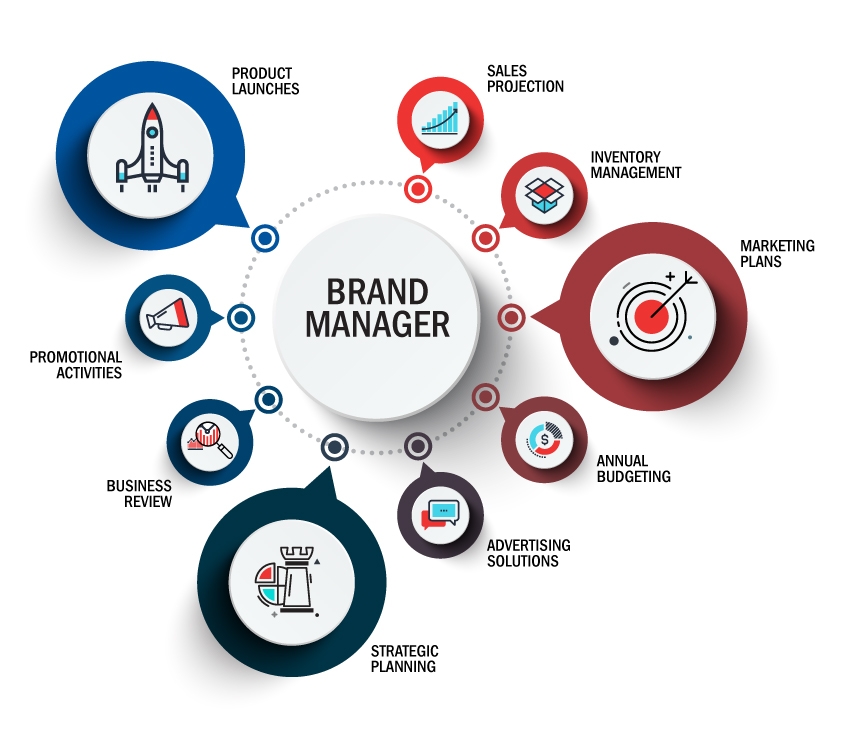


Concluding Remarks

The Importance of Branding - BoydTech Design, Inc.

In conclusion, successful branding and marketing management requires a holistic approach that integrates various strategies and leverages data-driven insights. By understanding the core concepts, embracing digital integration, and effectively managing reputation, businesses can achieve sustainable growth and a strong market presence. This guide has provided a framework for success in this dynamic field.

General Inquiries

What are the key differences between branding and marketing?

Branding focuses on building a unique identity and perception for a company or product, while marketing is the process of promoting and selling that brand to target customers. Branding is about who you are, while marketing is about how you communicate that to others.

How important is market research in marketing management?

Market research is vital for understanding consumer needs, preferences, and behaviors. It allows businesses to tailor their marketing strategies effectively, identify potential opportunities, and mitigate risks.

What are some common KPIs for measuring marketing performance?

Key performance indicators (KPIs) for marketing performance vary depending on the specific goals. Examples include website traffic, conversion rates, customer acquisition cost, return on ad spend (ROAS), and brand awareness metrics.

How can businesses handle negative reviews?

Addressing negative reviews constructively is essential. Respond professionally, apologize for any inconvenience, and attempt to resolve the issue. Turn a negative experience into a positive one by showing empathy and commitment to customer satisfaction.

Branding Iron Restaurant Chicago promises a unique dining experience, blending innovative culinary concepts with a strong brand identity. This exploration delves into the restaurant’s potential, considering market trends, competitive analysis, and digital strategies. The aim is to craft a compelling brand narrative that resonates with the Chicago culinary scene and its diverse clientele.

This comprehensive guide examines various aspects, from menu development and customer experience to restaurant operations and marketing strategies. It explores the significance of the “Branding Iron” name and how it can be leveraged to create a memorable brand experience.

Restaurant Branding in Chicago

Chicago’s vibrant culinary scene fuels a dynamic restaurant branding landscape. Local eateries are increasingly focused on authenticity, experience, and community engagement, reflecting the city’s diverse population and its unique cultural heritage. This is reflected in a variety of approaches, from showcasing neighborhood-specific ingredients to highlighting chef-driven concepts and innovative dining experiences.Contemporary restaurant branding in Chicago is less about generic slogans and more about crafting compelling narratives that resonate with the target audience.

This involves a deep understanding of the local culture and a desire to build a loyal customer base through unique experiences and memorable interactions.

Current Trends in Restaurant Branding

Chicago’s restaurant branding scene is characterized by a strong emphasis on community engagement and experiential dining. Local sourcing, sustainability initiatives, and innovative food preparation techniques are becoming integral aspects of restaurant identities. This trend fosters a sense of connection between the restaurant and its patrons, contributing to a stronger brand image. Examples include highlighting the use of locally-sourced ingredients, supporting local farmers, and showcasing the chef’s unique culinary style.

Examples of Successful Restaurant Branding Strategies

Several Chicago restaurants have successfully leveraged unique branding strategies. Alinea, renowned for its avant-garde cuisine, fosters a sophisticated and exclusive brand image through innovative presentation and highly-trained staff. This strategy has attracted a loyal clientele and solidified Alinea’s position as a premier fine dining establishment. Conversely, Pequod’s, a popular casual seafood restaurant, leverages a relaxed and inviting atmosphere, combined with a focus on fresh, high-quality ingredients, to appeal to a broader audience.

Their emphasis on local sourcing and sustainable practices aligns with current consumer preferences.

Key Elements of a Strong Brand Identity

A strong restaurant brand identity requires a cohesive blend of visual elements, messaging, and customer experience. Key components include a memorable logo, a consistent brand voice across all platforms, and a clear value proposition that resonates with the target audience. Effective communication through social media, a visually appealing website, and consistent in-restaurant experiences are essential for building a strong brand presence.

Comparison of Branding Strategies Across Restaurant Types

Fine dining restaurants in Chicago typically prioritize exclusivity and a sophisticated image, emphasizing high-quality ingredients, meticulous service, and an elegant ambiance. Casual restaurants often focus on affordability, comfort, and a relaxed atmosphere. Fast-food restaurants emphasize speed, convenience, and recognizable branding elements. Each type employs distinct strategies to resonate with their respective target audiences.

Role of Location and Neighborhood

Location significantly influences a restaurant’s brand. A restaurant situated in a trendy neighborhood may adopt a modern, contemporary brand, while a restaurant in a historic district might embrace a heritage-inspired brand identity. The neighborhood’s atmosphere and cultural nuances play a crucial role in shaping a restaurant’s image. This approach enables the restaurant to align itself with the neighborhood’s character, further enhancing its brand appeal.

Potential Brand Identity for a New Chicago Restaurant

A hypothetical Chicago restaurant, “The Grain & Grind,” focusing on the city’s culinary scene, could develop a brand identity rooted in Chicago’s agricultural heritage. Its brand could emphasize the use of seasonal, locally sourced ingredients, showcasing the vibrant Chicago agricultural community. The visual identity could incorporate Chicago-inspired typography and imagery, reinforcing its connection to the city’s character. This restaurant aims to connect with patrons who appreciate fresh, locally-sourced food and unique culinary experiences.

Target Audience for a Hypothetical Chicago Restaurant

The target audience for “The Grain & Grind” would likely be young professionals, foodies, and residents interested in supporting local farmers and enjoying innovative culinary experiences. They appreciate sustainable practices, high-quality ingredients, and a vibrant atmosphere.

Elements of a Restaurant Brand

Element Description
Brand Name A memorable and relevant name reflecting the restaurant’s concept and values.
Logo A visually appealing and distinctive logo that represents the restaurant’s identity.
Brand Voice The tone and style of communication used across all platforms.
Value Proposition A clear statement of the unique benefits and experiences offered by the restaurant.
Visual Identity The overall look and feel of the restaurant, including colors, typography, and imagery.
Customer Experience Creating a memorable and positive interaction for every customer.

Branding Iron Restaurant

The name “Branding Iron” evokes a sense of quality, heritage, and perhaps even a touch of rugged individualism, particularly fitting for a restaurant in Chicago, a city steeped in history and culinary innovation. This name suggests a commitment to excellence and a distinctive dining experience. The “branding” aspect hints at a focused, intentional approach to food and service, implying a dedication to creating a memorable and distinctive dining experience.The “branding iron” metaphor, historically associated with marking livestock, suggests a strong sense of ownership and quality control in the preparation of food.

This suggests a commitment to sourcing quality ingredients and precise culinary techniques, ultimately reflecting the restaurant’s dedication to the dining experience.

Meaning and Significance of “Branding Iron”

The name “Branding Iron” in the context of a Chicago restaurant speaks to a desire for a unique and memorable dining experience. It implies a commitment to quality ingredients and culinary precision. The historical connection to marking livestock suggests a focus on sourcing and preparation, ensuring the food is not just tasty, but also ethically and meticulously crafted.

Brand Values and Promises

  • Quality Ingredients: A commitment to using high-quality, locally sourced, and seasonal ingredients whenever possible. This reflects a focus on freshness and authenticity. Examples include partnering with local farmers’ markets and sustainable food suppliers.
  • Exceptional Culinary Experience: A promise of innovative and delicious dishes that showcase the best of Chicago’s culinary scene, while also pushing boundaries and exploring new flavors.
  • Authenticity and Heritage: A connection to Chicago’s rich history and diverse culinary traditions, showcasing the city’s multicultural heritage through food.
  • Memorable Service: Creating a warm, attentive, and professional dining experience, attentive to detail and customer satisfaction.

Restaurant Concepts and Menus

Possible restaurant concepts could range from a traditional steakhouse to a more modern, innovative cuisine. The branding should be consistent across the chosen concept.

  • Modern Steakhouse: High-quality steaks, fresh seafood, and a selection of classic sides. This could include dry-aged beef and innovative steak preparation techniques, highlighting the quality of ingredients.
  • Farm-to-Table Fusion: A menu that celebrates seasonal ingredients sourced from local farms and purveyors, incorporating global culinary influences to create unique dishes. This concept emphasizes freshness and sustainability.
  • Chicago-Style Comfort Food with a Twist: Classic Chicago comfort food dishes with modern twists and gourmet upgrades. Think deep-dish pizza with unique toppings, Chicago-style hot dogs with upscale accompaniments, and other familiar favorites with elevated presentations.

Atmosphere and Ambiance

The ideal atmosphere should reflect the name’s strength and heritage. A sophisticated, yet inviting, atmosphere with a focus on design elements that evoke the feeling of a strong, well-crafted product, is crucial.

  • Rustic Elegance: A blend of rustic charm and modern sophistication, perhaps using exposed brick, reclaimed wood, and warm lighting to create a cozy and welcoming environment.
  • Industrial Chic: A raw, industrial aesthetic with exposed pipes, concrete floors, and modern lighting, showcasing the restaurant’s focus on quality and precision.

Potential Concepts Summary

Concept Cuisine Focus Atmosphere Target Audience
Modern Steakhouse Steak, seafood, classic sides Rustic elegance Business professionals, sophisticated diners
Farm-to-Table Fusion Seasonal, locally sourced, global influences Modern, rustic Health-conscious diners, foodies
Chicago-Style Comfort Food with a Twist Elevated comfort food classics Industrial chic Families, locals, casual diners

Visual Elements

Visual elements should reflect the restaurant’s brand values and the chosen concept.

  • Logo: A stylized branding iron mark, perhaps incorporating a silhouette of a Chicago landmark or a subtle play on the word “branding.” Examples could include a simplified representation of a Chicago skyline, incorporated within the iron.
  • Colors: Deep browns, rich reds, and warm grays to evoke a sense of heritage and quality. Depending on the specific concept, accents of metallic or earthy tones could be used.
  • Fonts: Strong, bold fonts to convey the restaurant’s commitment to quality and craftsmanship. A combination of a bold sans-serif and a more refined serif font could be effective.

Chicago Restaurant Market Analysis

The Chicago restaurant scene is a vibrant and competitive landscape, attracting both locals and tourists. Understanding the nuances of this market is crucial for any new restaurant aiming to succeed. This analysis delves into the key factors shaping the Chicago restaurant industry, including competitive dynamics, pricing strategies, successful marketing tactics, and the significance of online reputation and community engagement.

Competitive Landscape of Chicago Restaurants

Chicago boasts a diverse array of dining options, from Michelin-starred establishments to casual neighborhood eateries. This competitive environment necessitates a clear understanding of the target audience and a compelling value proposition. The city’s restaurant landscape includes a significant number of chain restaurants, alongside independently owned establishments, each vying for customer attention. Competition ranges from price points to culinary experiences, and from ambiance to location.

Pricing Strategies of Chicago Restaurants

Chicago restaurants employ a wide range of pricing strategies. Fine dining establishments often charge premium prices for high-quality ingredients and exceptional service, while casual eateries frequently focus on value-driven menus. Fast-casual restaurants often position themselves in the middle ground, offering a blend of speed and quality at a mid-range price point. Price elasticity is also a critical factor, and successful restaurants understand how changes in price affect demand.

Successful Restaurant Marketing Strategies in Chicago

Several effective marketing strategies resonate well within the Chicago market. These strategies encompass leveraging social media platforms to engage with potential customers, creating enticing online content, and actively participating in local events to enhance brand visibility. Effective use of local partnerships, particularly with neighborhood businesses and community organizations, can greatly amplify the reach and impact of a restaurant’s marketing efforts.

Targeted advertising campaigns and strategic collaborations also play a vital role in reaching the desired demographics.

Unique Selling Propositions of Competing Chicago Restaurants

Competing restaurants in Chicago differentiate themselves through various unique selling propositions (USPs). Some focus on innovative culinary creations, others emphasize a unique ambiance or atmosphere, while still others offer exceptional service or a distinctive dining experience. Understanding the USP of competitors provides insights into the market landscape and helps identify opportunities for differentiation.

Importance of Online Reviews and Reputation Management for Chicago Restaurants

Online reviews hold immense significance in the Chicago restaurant market. Positive reviews significantly impact a restaurant’s reputation and attract new customers. Restaurants must actively monitor and respond to reviews, both positive and negative, to manage their online reputation effectively. Responding to negative reviews with professionalism and a commitment to resolving customer issues can often turn a negative experience into a positive one.

Leveraging Local Partnerships in Chicago

Strategic partnerships with local businesses and community organizations can significantly benefit a restaurant. Collaboration with local suppliers ensures fresh, high-quality ingredients and strengthens relationships within the community. These partnerships can also expand a restaurant’s reach and brand awareness through cross-promotional opportunities.

Importance of Community Engagement in Chicago

Community engagement is essential for a restaurant’s success in Chicago. Actively participating in local events, sponsoring community initiatives, and supporting neighborhood organizations builds positive relationships and fosters loyalty among customers. This community-centric approach can differentiate a restaurant from competitors and create a strong sense of belonging for patrons.

Comparison of Chicago Restaurants

Restaurant Strengths Weaknesses
Restaurant A Excellent service, high-quality ingredients, strong online presence Higher price point, limited menu variety
Restaurant B Extensive menu options, affordable prices, frequent promotions Slower service, inconsistent quality
Restaurant C Unique culinary experience, innovative dishes, strong community engagement Smaller customer base, less familiar to general public

Digital Marketing Strategies

Branding Iron Restaurant in Chicago needs a robust digital presence to thrive in the competitive restaurant market. A well-executed digital strategy will enhance brand awareness, drive customer engagement, and ultimately boost sales. This section Artikels key digital marketing strategies tailored to the Chicago market.Digital marketing is crucial for restaurants like Branding Iron to connect with their target audience effectively.

A strong online presence allows restaurants to showcase their unique offerings, build relationships with customers, and drive foot traffic and online orders.

Social Media Platforms for Restaurant Marketing

Social media platforms are powerful tools for restaurant marketing. Targeting specific demographics and interests on platforms like Instagram, Facebook, and TikTok allows for highly focused advertising campaigns. Engaging content, visually appealing posts, and interactive stories are essential to keep the audience interested and encourage customer interaction. Restaurant-specific hashtags and geotagging can also increase discoverability in the Chicago market.

For instance, using #ChicagoFoodie or #ChicagoRestaurants in posts can attract a broader audience.

Search Engine Optimization () for Restaurant Websites

Optimizing Branding Iron’s website for search engines is vital. By strategically incorporating relevant s related to the restaurant’s cuisine, location, and unique selling points, the website can rank higher in search results. Local is particularly important for restaurants in Chicago. This includes optimizing Google My Business profile, ensuring accurate information, and obtaining positive online reviews to boost local visibility.

Content Strategy for a Restaurant Blog

A blog can establish Branding Iron as a thought leader in the culinary scene and a source of valuable information for potential customers. The blog should feature informative and engaging content about the restaurant’s menu, cooking techniques, special events, local partnerships, and chef profiles. Regular updates with high-quality photos and videos can keep readers engaged. Content should be optimized for , using relevant s to improve search engine rankings.

Online Advertising for Reaching Potential Customers

Targeted online advertising campaigns on platforms like Google Ads and social media can reach potential customers in Chicago. By defining specific demographics, interests, and locations, Branding Iron can precisely target individuals who are most likely to be interested in their offerings. Pay-per-click (PPC) advertising allows for measurable results and budget control. A well-defined budget and performance tracking are essential for successful online advertising.

Email Marketing Strategies for Restaurants

Email marketing is an effective way to nurture customer relationships and promote special offers. Targeted email campaigns can inform customers about new menu items, upcoming events, or exclusive discounts. Personalization and segmentation are key elements for a successful email marketing strategy. Segmenting subscribers based on their preferences or past orders enables tailored messaging, maximizing the impact of each campaign.

Potential of Influencer Marketing

Influencer marketing can effectively expand Brand Iron’s reach in the Chicago market. Partnering with food bloggers, social media personalities, or local influencers can expose the restaurant to a wider audience and generate buzz. Collaborations should focus on authentic experiences and genuine endorsements, rather than just paid advertisements. Authenticity is key to influencer marketing.

Online Ordering and Delivery Platforms

Utilizing online ordering and delivery platforms is essential for modern restaurants. This allows customers to place orders conveniently from various locations. Integrating these platforms with the restaurant’s website and POS system ensures seamless order processing and delivery. This streamlines operations and increases accessibility for customers.

Digital Marketing Channels for Branding Iron

Channel Potential Description
Social Media (Facebook, Instagram, TikTok) High Reach a broad audience, build brand awareness, and drive engagement.
Search Engine Optimization () Medium-High Improve organic search rankings, increase visibility, and attract targeted customers.
Website High Showcase the restaurant’s menu, ambiance, and offerings.
Online Advertising (Google Ads, Social Media Ads) High Precisely target potential customers based on demographics and interests.
Email Marketing Medium Nurture customer relationships, promote offers, and drive repeat business.
Influencer Marketing Medium-High Reach a wider audience through endorsements and collaborations.
Online Ordering/Delivery Platforms (Grubhub, DoorDash) High Increase accessibility and convenience for customers.

Branding Iron Restaurant

The Branding Iron Restaurant, aiming for a premium dining experience in Chicago, will focus on high-quality ingredients, a curated menu, and a welcoming atmosphere. Its brand identity, established through thoughtful design and marketing, will be complemented by a refined dining experience, enhancing customer loyalty and repeat business.The menu and customer experience are crucial components of the Branding Iron Restaurant’s success.

A well-crafted menu, coupled with a carefully planned customer experience, will leave a lasting impression on diners. The service style, ambiance, and sustainable practices will contribute to the overall brand image. Partnering with local suppliers will strengthen the restaurant’s connection with the Chicago community and promote a sense of place.

Menu & Dishes

A well-defined menu, showcasing the restaurant’s culinary philosophy, is essential. The menu should highlight seasonal ingredients and thoughtfully sourced proteins, with dishes reflecting the restaurant’s culinary approach. This menu will be adaptable, offering options for various dietary needs and preferences.

Dish Description Price
Prime Rib Eye Steak A 10oz prime rib eye, pan-seared to perfection, served with roasted asparagus and garlic mashed potatoes. $38
Pan-Seared Scallops Six pan-seared scallops with lemon butter sauce, served with saffron risotto and seasonal vegetables. $32
Roasted Beet Salad A vibrant salad featuring roasted beets, goat cheese, candied walnuts, and a balsamic vinaigrette. $18
Grilled Salmon Pan-seared salmon fillet with roasted vegetables and a lemon-dill sauce. $28
Vegetarian Pasta Primavera Fresh pasta with seasonal vegetables, herbs, and a light pesto cream sauce. $25
Chocolate Lava Cake Decadent chocolate lava cake with vanilla bean ice cream. $12

Customer Experience

A positive customer experience is paramount. This includes a warm welcome, attentive service, and a visually appealing dining area. The ambiance, from lighting and music to the table settings, should enhance the overall dining experience.

  • Warm Welcome: The staff should greet guests warmly and efficiently, ensuring a welcoming atmosphere from the moment they enter the restaurant.
  • Attentive Service: Waitstaff should be knowledgeable about the menu, attentive to guests’ needs, and able to provide recommendations in a friendly and professional manner.
  • Visual Appeal: The dining area should be aesthetically pleasing, with well-designed decor and comfortable seating arrangements. The lighting should be soft and inviting, and the music should be instrumental, not distracting.

Service Style

The service style should be attentive without being intrusive. Waitstaff should be knowledgeable about the menu, able to provide recommendations, and responsive to guest requests without being overly present.

  • Attentive yet unobtrusive: Waitstaff should anticipate guest needs without hovering, ensuring a relaxed and comfortable dining experience.
  • Professionalism: Maintaining a professional demeanor is essential, reflecting the upscale nature of the restaurant.
  • Knowledge of Menu: Waitstaff should possess a comprehensive understanding of the menu items, ingredients, and preparation methods.

Potential Partnerships

Partnering with local suppliers will enhance the restaurant’s brand image and contribute to a more sustainable and community-focused approach.

  • Local Farmers Markets: Partnering with local farmers’ markets will allow for fresh, seasonal ingredients. This supports local agriculture and reduces the restaurant’s environmental footprint.
  • Artisan Cheese Makers: Working with local cheese makers will bring unique and high-quality cheeses to the menu. This showcases the local culinary scene.
  • Regional Meat Producers: Partnering with regional meat producers can ensure premium quality proteins for the restaurant’s menu, and showcase the area’s agricultural prowess.

Ambiance

The restaurant’s ambiance plays a crucial role in the overall customer experience. A warm and inviting atmosphere, combined with tasteful design, creates a memorable dining experience. This includes careful consideration of lighting, music, and décor.

Sustainability

The restaurant can adopt sustainable practices to minimize its environmental impact.

  • Waste Reduction: Implementing strategies to reduce food waste, such as composting food scraps and offering portion control options.
  • Energy Efficiency: Employing energy-efficient lighting and appliances to reduce the restaurant’s carbon footprint.
  • Sustainable Sourcing: Prioritizing locally sourced and sustainably raised ingredients to minimize transportation impacts and support local farmers.

Restaurant Operations & Management

Branding Iron - Rawhide Western Town

Effective restaurant operations are crucial for success in a competitive market like Chicago. A well-structured system encompassing staffing, inventory, and food preparation, coupled with sound cost management, directly impacts profitability and customer satisfaction. Understanding potential challenges and proactively addressing customer feedback are key components for long-term sustainability.Restaurant operations are a complex interplay of various elements. From the initial customer interaction to the final bill, every aspect must be meticulously planned and executed.

Efficient staffing, accurate inventory, and precise food preparation are all vital for a smooth and satisfying dining experience. This comprehensive approach will be vital for Branding Iron’s success in the Chicago market.

Staffing

Effective staffing is paramount for maintaining a high-quality service experience and ensuring efficient operations. A well-trained and motivated staff is crucial for handling customer needs promptly and courteously, contributing to a positive brand perception. This requires careful scheduling to account for peak hours and potential staffing gaps, and implementing clear communication protocols.

Inventory Management

Maintaining accurate inventory levels is essential for minimizing food waste and ensuring sufficient supplies. Implementing a robust inventory management system, incorporating software if possible, will help track stock levels, predict demand, and optimize ordering strategies. This minimizes spoilage and ensures the restaurant always has the necessary ingredients on hand.

Food Preparation

Standardized recipes and procedures are essential for maintaining consistent quality in food preparation. Well-defined protocols for food handling, preparation, and presentation are crucial to ensure safety and maintain a high level of customer satisfaction. Clear communication and training among kitchen staff are critical to achieve this consistency.

Cost and Revenue Management

Managing costs and revenue effectively is a critical component of profitability. Developing a detailed cost analysis, including ingredient costs, labor costs, and overhead expenses, allows for better pricing strategies and profit forecasting. Sales data analysis is critical to understanding demand and optimizing pricing to maximize revenue. A clear understanding of both costs and revenue allows for informed decision-making.

Potential Challenges for a New Restaurant in Chicago

Competition is fierce in the Chicago restaurant market. High operating costs, attracting and retaining quality staff, and navigating complex regulations are common hurdles. Understanding and adapting to local tastes and preferences is essential for success. Effective marketing strategies are critical to establish a presence and attract a loyal customer base.

Customer Feedback and Reviews

Customer feedback is a valuable source of information for identifying areas for improvement. Proactively seeking feedback, both positive and negative, can help address potential issues quickly. Monitoring online reviews and responding promptly to customer comments and concerns are essential for managing reputation. Constructive feedback should be viewed as an opportunity to refine services and processes.

Solutions for Managing Potential Issues

Implementing a comprehensive problem-solving process, including clear communication channels and well-defined procedures for handling complaints, is crucial. Developing a system for collecting and analyzing feedback from staff and customers is essential to identify and address potential issues. Maintaining open communication with suppliers and vendors will also help mitigate potential supply chain disruptions. Adaptability and flexibility are key to addressing unforeseen challenges.

Restaurant Operations Plan

Task Responsibility Timeline Resources
Staffing schedule creation Management Weekly Scheduling software, staff roster
Inventory ordering Chef/Purchasing Manager Weekly/Bi-weekly Inventory management software, supplier contacts
Food preparation procedure review Kitchen Manager Monthly Recipe books, staff training materials
Cost analysis review Financial Manager Monthly Accounting software, sales data
Customer feedback analysis Management/Marketing Team Weekly Review platforms, social media monitoring tools

Epilogue

In conclusion, Branding Iron Restaurant Chicago has the potential to become a significant player in the city’s vibrant culinary landscape. By strategically combining a compelling brand identity, a well-defined menu, and effective digital marketing, the restaurant can establish a loyal customer base and thrive in the competitive Chicago market. The restaurant’s success hinges on its ability to resonate with its target audience and adapt to evolving market trends.

FAQ Resource

What is the target audience for Branding Iron Restaurant?

The target audience for Branding Iron is likely to be young professionals, foodies, and individuals seeking a unique dining experience in the Chicago area, with a focus on quality and a sophisticated ambiance.

What sets Branding Iron apart from other Chicago restaurants?

Branding Iron’s unique selling proposition lies in its brand identity and the creative culinary concepts it plans to implement, differentiating it from other restaurants in Chicago’s competitive market.

What is the restaurant’s approach to sustainability?

The restaurant’s approach to sustainability is not detailed in the provided Artikel. This could be a crucial aspect to be considered for the full branding strategy.

How will Branding Iron manage customer feedback?

Effective management of customer feedback is vital for any restaurant. Branding Iron should establish systems to collect, analyze, and respond to customer feedback promptly and efficiently, allowing for continuous improvement in the restaurant’s services.

Unleash the power of your brand with our comprehensive brand marketing workshop. This isn’t just another seminar; it’s a dynamic journey into crafting a compelling brand identity, connecting with your target audience, and achieving sustainable growth.

We’ll delve into the core components of effective brand marketing, from defining your brand’s unique voice to mastering various marketing channels. Learn how to build a strong brand presence, leverage digital tools, and create engaging experiences that resonate with customers.

Introduction to Brand Marketing Workshops

Brand marketing workshops provide a structured environment for individuals and teams to enhance their understanding and application of brand marketing strategies. These workshops delve into the intricacies of building, maintaining, and leveraging a strong brand presence in the marketplace. They equip participants with the knowledge and tools necessary to develop effective brand marketing campaigns.

Definition of Brand Marketing Workshops

Brand marketing workshops are interactive learning experiences designed to equip participants with practical knowledge and skills in brand building and management. These workshops offer a blend of theoretical frameworks and hands-on exercises to solidify learning and encourage application in real-world scenarios. They cover a spectrum of topics, from foundational brand principles to advanced strategic planning.

Goals and Objectives of Brand Marketing Workshops

The primary goals of brand marketing workshops are to enable participants to develop a deeper understanding of brand marketing principles and implement them in their respective roles. Specific objectives often include enhancing brand awareness, building brand loyalty, and improving brand perception. Workshops also aim to increase participants’ ability to develop effective brand messaging and marketing strategies, ultimately driving business growth.

Target Audience for Brand Marketing Workshops

The target audience for brand marketing workshops is diverse, encompassing entrepreneurs, marketing managers, brand strategists, and marketing team members across various industries. This broad appeal stems from the universal need for effective brand management, regardless of business size or sector. The workshops cater to different experience levels, from beginners seeking foundational knowledge to seasoned professionals seeking advanced strategies.

Learning Outcomes of Brand Marketing Workshops

Participants can expect a variety of learning outcomes from brand marketing workshops. These include a comprehensive understanding of brand marketing concepts, development of practical marketing strategies, and the ability to evaluate and optimize brand performance. Participants gain hands-on experience in applying marketing tools and techniques, building their confidence in brand-related decisions.

Comparison of Different Types of Brand Marketing Workshops

Workshop Type Focus Target Audience Learning Outcomes
Introductory Foundation of brand marketing, core concepts, and practical tools. Beginners, recent graduates, entrepreneurs Basic understanding of branding, creating a brand strategy, and developing a brand voice.
Advanced Deep dive into strategic brand management, advanced marketing techniques, and case studies. Marketing managers, brand strategists, experienced marketers. Advanced strategic planning, market analysis for branding, and building comprehensive brand experiences.
Specialized Focus on specific areas like brand storytelling, digital marketing for brands, or international branding. Professionals seeking specialized knowledge in specific areas. Specific expertise in chosen brand marketing area, ability to apply advanced techniques to specific industry or region.

Key Components of a Brand Marketing Workshop

A successful brand marketing workshop delves into the intricate interplay of brand identity, market research, and effective marketing strategies. It equips participants with the knowledge and tools to build a robust brand that resonates with their target audience. Workshops like these often cover practical application of these concepts, offering actionable insights for immediate implementation.A comprehensive brand marketing workshop will equip participants with a deep understanding of how to build a brand that resonates with their target market, fosters a unique customer experience, and drives business growth.

This is achieved through a thorough examination of various marketing channels, helping attendees choose the most effective strategies for their specific goals.

Brand Identity in Marketing Strategies

Brand identity is a crucial component of successful marketing. A well-defined brand identity encompasses a company’s values, mission, and personality, which are communicated through its visual elements (logo, colors, typography), messaging, and overall tone of voice. A strong brand identity creates a cohesive and memorable experience for customers, facilitating brand recognition and loyalty. This fosters trust and establishes a clear market position.

Companies with strong brand identities are often better equipped to weather market fluctuations and maintain customer loyalty.

Market Research in Brand Building

Market research is indispensable for effective brand building. It provides insights into target audience preferences, needs, and pain points. Thorough market research enables marketers to tailor their strategies to resonate with their specific audience. This understanding allows for more effective messaging, product development, and ultimately, brand positioning that aligns with customer needs. For example, a coffee shop might discover through research that its target audience values sustainability and ethical sourcing.

This knowledge then informs their marketing efforts, highlighting their commitment to these values in their messaging and brand identity.

Branding and Unique Customer Experience

Branding plays a critical role in creating a unique customer experience. A strong brand consistently delivers on its promises and fosters a positive connection with customers. This results in customer loyalty and advocacy, creating a sustainable advantage in the market. A brand that consistently delivers on its promises builds trust and fosters positive interactions. A well-branded company understands that a customer’s interaction with the brand, from initial contact to post-purchase service, should be aligned with the brand’s values and promise.

Marketing Strategies

Various marketing strategies contribute to effective brand building. These include content marketing, social media marketing, email marketing, and paid advertising. Each strategy has its own unique strengths and can be used to achieve specific goals. For example, content marketing can establish thought leadership, social media can foster engagement, and email marketing can nurture leads. Successful brand building often requires a multi-faceted approach that combines several of these strategies.

Marketing Channels and Effectiveness

| Marketing Channel | Effectiveness for Brand Building | Potential Drawbacks ||—|—|—|| Social Media Marketing | High engagement, targeted advertising, cost-effective | Requires consistent effort, susceptible to negative feedback || Content Marketing | Establishes thought leadership, builds trust, attracts organic traffic | Time-consuming, results take time to materialize || Search Engine Optimization () | Drives organic traffic, increases visibility | Requires technical expertise, results are not immediate || Email Marketing | Direct communication, personalized messaging | Requires a quality email list, potential for spam complaints || Paid Advertising (PPC) | Immediate results, highly targeted | Can be expensive, requires careful management || Public Relations (PR) | Builds brand awareness, enhances credibility | Difficult to control, relies on third-party endorsements |
This table illustrates the diverse range of marketing channels available, highlighting their effectiveness and potential drawbacks.

Careful consideration of these factors can guide strategic decisions for optimal brand building.

Practical Exercises and Activities

Interactive exercises and hands-on activities are crucial components of a successful brand marketing workshop. They solidify theoretical knowledge and empower participants to apply concepts in real-world scenarios. These practical experiences foster deeper understanding and promote active learning.

Interactive Exercises

Engaging exercises are key to transforming a brand marketing workshop into a dynamic learning experience. These activities should stimulate critical thinking, encourage collaboration, and promote a sense of ownership among the participants. Examples include brand positioning exercises, where participants analyze competitor offerings and formulate a unique value proposition for a hypothetical brand. Another exercise involves creating a brand persona for a target audience, enabling a thorough understanding of their needs and preferences.

Through these exercises, participants gain a practical grasp of brand strategy and execution.

Importance of Hands-on Activities

Hands-on activities are critical in a brand marketing workshop. They provide an avenue for practical application of theoretical knowledge. This direct engagement with the material fosters a deeper understanding and retention of concepts. When participants are actively involved in exercises, they are more likely to connect with the information on a personal level, leading to better comprehension and application in their own professional contexts.

Through these practical applications, participants can refine their problem-solving skills and gain confidence in implementing brand strategies.

Case Studies for Concept Illustration

Using case studies is an effective method to illustrate brand marketing concepts. A well-chosen case study can showcase how a brand successfully navigated a specific challenge, highlighting effective strategies and demonstrating the practical implications of different approaches. For instance, a workshop could analyze the success of a particular company’s rebranding campaign, exploring the underlying strategies and the impact on customer perception.

This approach not only clarifies abstract concepts but also demonstrates their tangible application. Real-world examples make the concepts more relatable and impactful.

Real-World Brand Building Challenges

Real-world brand building challenges provide a practical context for the workshop. Challenges such as adapting to changing consumer preferences, managing brand reputation crises, and navigating evolving market landscapes are frequently encountered. These challenges create relatable scenarios that allow participants to explore potential solutions and develop strategies for future situations. The workshop can address these challenges by providing frameworks and tools for analysis and response.

Group Activities for Workshop Engagement

This table presents a range of group activities designed to enhance workshop engagement and interaction. These activities are tailored to different learning styles and encourage active participation. The activities foster a collaborative environment where participants can share insights, debate strategies, and build a shared understanding of brand marketing.

Activity Description Learning Outcomes
Brand Positioning Exercise Participants analyze competitor offerings and develop a unique value proposition for a hypothetical brand. Develops analytical skills and strategic thinking.
Brand Persona Creation Participants create a detailed brand persona for a target audience, identifying their needs and preferences. Enhances understanding of target audience segmentation.
SWOT Analysis of a Brand Participants conduct a SWOT analysis of a real-world brand, identifying strengths, weaknesses, opportunities, and threats. Develops critical evaluation and problem-solving skills.
Social Media Campaign Brainstorming Participants brainstorm a social media campaign for a specific brand, considering target audience and platform. Fosters creativity and strategic campaign development.
Brand Storytelling Exercise Participants craft compelling narratives to highlight a brand’s value proposition. Enhances storytelling skills and brand messaging.

Digital Marketing Integration

Digital marketing is no longer a supplementary tool but a cornerstone of modern brand building. Brands today must seamlessly integrate digital strategies with traditional approaches to reach and engage their target audience effectively. This integration allows for a more comprehensive understanding of consumer behavior, resulting in more targeted and impactful campaigns.The digital landscape is constantly evolving, requiring brands to adapt and refine their strategies to stay competitive.

Integrating digital marketing allows brands to track campaign performance in real-time, enabling agile adjustments and maximizing return on investment (ROI). This dynamic approach ensures that marketing efforts remain relevant and resonate with the contemporary consumer.

Role of Digital Marketing in Modern Brand Marketing

Digital marketing plays a crucial role in modern brand marketing by providing a direct and interactive channel to connect with consumers. It offers unparalleled opportunities for brand building, reputation management, and driving sales through targeted campaigns. The accessibility and affordability of digital platforms enable brands of all sizes to reach a global audience. Real-time engagement allows for immediate feedback, enabling brands to tailor their messages and offerings based on consumer responses.

Comparison of Traditional and Digital Marketing Approaches

Traditional marketing relies heavily on mass media, such as television and print advertising. While these channels can reach a wide audience, they often lack the precision and targeted approach of digital marketing. Digital marketing allows for granular targeting based on demographics, interests, and behaviors. This personalized approach ensures that marketing messages are relevant to specific consumer segments.

Furthermore, digital marketing provides measurable results, unlike traditional methods, allowing for better ROI assessment.

Social Media Marketing for Brand Building

Social media platforms are powerful tools for brand building. They allow brands to foster community engagement, build brand awareness, and interact directly with consumers. By creating engaging content and participating in relevant conversations, brands can establish a strong social media presence. Successful social media strategies build brand authenticity and foster a sense of community around a brand.

This, in turn, drives customer loyalty and advocacy. Brands can leverage social media listening tools to track brand mentions and public sentiment, enabling proactive responses to customer feedback and potential crises.

and Content Marketing in Brand Workshops

Search Engine Optimization () is crucial for improving a brand’s online visibility. By optimizing website content and structure, brands can rank higher in search engine results pages (SERPs). This increased visibility drives organic traffic to their websites, increasing brand awareness and lead generation. Content marketing, which involves creating valuable and engaging content, plays a vital role in and overall brand building.

Well-crafted content not only attracts visitors but also establishes the brand as an authority in its industry, fostering trust and credibility. Workshops should emphasize the creation of high-quality, -rich content to maximize effectiveness.

Digital Marketing Tools and Platforms

A wide range of digital marketing tools and platforms can be utilized in workshops. These include social media management tools (e.g., Hootsuite, Buffer), email marketing platforms (e.g., Mailchimp, Constant Contact), website analytics platforms (e.g., Google Analytics), and tools (e.g., SEMrush, Ahrefs). Workshops should cover the practical application of these tools, demonstrating how they can be used to track progress and measure results.

Understanding the specific capabilities of each tool will help participants make informed decisions about their digital marketing strategies.

Digital Marketing Metrics

Tracking and analyzing digital marketing metrics is essential for evaluating campaign performance. Key metrics include website traffic (unique visitors, page views, bounce rate), conversion rates (leads generated, sales made), social media engagement (likes, shares, comments), and customer acquisition costs (CAC). Workshops should emphasize the importance of establishing clear, measurable goals for each campaign and tracking relevant metrics to monitor progress.

This data-driven approach enables adjustments and improvements in real-time, ensuring that campaigns are optimized for maximum effectiveness. Examples of metrics for social media engagement include likes, shares, comments, and click-through rates (CTR). Detailed analyses of these metrics help brands understand what content resonates most with their audience and what improvements are needed for future campaigns.

Workshop Structure and Format

A well-structured brand marketing workshop is crucial for maximizing learning and engagement. The format should be designed to effectively deliver information, facilitate interactive learning, and allow for practical application. A clear and logical flow ensures attendees can absorb key concepts and translate them into actionable strategies.The workshop’s structure should be adaptable to the specific learning objectives and the target audience.

The agenda needs to be carefully planned to optimize the time allocation for each segment. This includes balancing theoretical discussions with hands-on activities, ensuring a well-rounded learning experience.

Typical Workshop Structure

The typical brand marketing workshop is composed of several modules, each focusing on a specific aspect of brand building. These modules are often structured into sessions with designated time slots. This structured approach allows for a focused learning experience, preventing information overload.

Workshop Agenda Example (Full Day)

  • Morning Session (9:00 AM – 12:00 PM): Fundamentals of Brand Marketing. This section covers essential concepts like brand identity, target audience analysis, and competitive landscape analysis. Presentations and discussions are interspersed with interactive exercises. Attendees will develop their understanding of brand positioning and messaging.
  • Lunch Break (12:00 PM – 1:00 PM): Networking and informal discussions.
  • Afternoon Session (1:00 PM – 4:00 PM): Practical Application and Strategies. This section focuses on translating theoretical concepts into practical strategies. Case studies, real-world examples, and group projects are used to illustrate how brands effectively implement marketing campaigns. Participants will work on developing their own marketing plans and strategies.
  • Wrap-up and Q&A (4:00 PM – 4:30 PM): Key takeaways and a summary of the day’s learnings. Attendees have an opportunity to address any remaining questions.

Workshop Presentations and Materials

Presentations should be visually engaging and concise, focusing on key concepts. Examples include slides with compelling visuals, short videos, and interactive elements. Handouts containing key takeaways, definitions, and actionable points are crucial for post-workshop retention. Case studies illustrating successful brand marketing strategies are beneficial for demonstrating practical application.

Importance of Communication and Interaction

Clear communication is essential for ensuring that all attendees understand the concepts and instructions. Facilitators should use clear and concise language and encourage questions. Facilitators should also actively promote interaction amongst participants, fostering a collaborative environment. This fosters knowledge sharing and deeper understanding. Group discussions and activities are vital for active learning.

Workshop Stages and Duration

Stage Description Estimated Duration
Introduction and Icebreaker Setting the stage, establishing rapport, and setting expectations. 30 minutes
Module 1: Brand Fundamentals Foundation concepts and key principles. 1 hour 30 minutes
Interactive Exercise 1 Applying learned concepts in a practical context. 45 minutes
Module 2: Strategic Planning Building a brand strategy and developing a marketing plan. 1 hour 30 minutes
Interactive Exercise 2 Real-world applications and case studies. 45 minutes
Q&A and Wrap-up Review, summarization, and concluding remarks. 30 minutes

Building a Successful Workshop

How long do writable CD/DVD last? 400 discs put to the test! | RLV Blog

A successful brand marketing workshop hinges on careful planning and execution. It’s not just about delivering information; it’s about creating an engaging experience that empowers participants with actionable strategies. This involves crafting a compelling program, selecting the right facilitators, actively engaging participants, and providing ongoing support.A well-structured workshop fosters knowledge retention and translates theoretical concepts into practical applications.

By effectively measuring its impact, a workshop can identify areas for improvement and ensure its continued value in the future.

Crafting a Compelling Workshop Program

A well-defined program is essential for a productive workshop. The program should clearly Artikel the learning objectives, session structure, and anticipated outcomes. This structure ensures that participants understand the value proposition and can fully utilize the workshop’s contents. A program that is engaging and relevant will encourage active participation. Key elements include clear session titles, concise descriptions of each segment, and designated time slots for each activity.

Selecting the Right Facilitators and Resources

The success of any workshop relies heavily on the expertise and enthusiasm of its facilitators. Experienced professionals with proven track records in brand marketing are ideal choices. They should possess the knowledge and communication skills to effectively convey complex concepts and inspire participation. In addition to facilitators, access to relevant and current resources is vital. These resources could include case studies, templates, templates, and links to helpful articles.

They should be readily available throughout the workshop and easily accessible for participants to utilize in the future.

Engaging Participants Actively

Active participation is critical for maximizing learning and retention. Interactive exercises, group discussions, and real-world case studies are crucial for keeping participants engaged. A variety of activities can be implemented to stimulate interaction. This includes problem-solving exercises, role-playing scenarios, and brainstorming sessions. The incorporation of these methods ensures participants are not just passive recipients of information, but active contributors to their own learning.

Providing Valuable Resources After the Workshop

Following the workshop, providing valuable resources empowers participants to implement what they learned. This includes access to presentations, templates, and supplementary materials. A dedicated online forum or community page allows participants to connect, share best practices, and continue the learning journey beyond the workshop. The ongoing support reinforces the workshop’s value and ensures long-term impact.

Measuring Workshop Effectiveness

Measuring the effectiveness of a brand marketing workshop is essential for continuous improvement. Gathering feedback from participants through surveys and evaluations is a critical component. Assessing participant knowledge retention through pre- and post-workshop assessments helps determine the workshop’s impact. This data should be carefully analyzed to identify areas for enhancement in future workshops. Additionally, tracking participant engagement during the workshop, such as participation in discussions and activities, can provide insight into its overall effectiveness.

Examples of Follow-up Activities

Follow-up activities reinforce the learning experience. These could include peer-to-peer learning sessions, mentorship programs, or group projects that allow participants to apply their newfound knowledge in practical situations. A monthly newsletter or email series, featuring insightful articles, tips, and industry updates, helps maintain engagement. These activities are designed to maintain the momentum of the workshop and inspire participants to continue developing their brand marketing skills.

Wrap-Up

In this brand marketing workshop, you’ll gain actionable insights and practical strategies to elevate your brand. From initial introductions to building a successful workshop, you’ll walk away equipped to craft a powerful brand narrative and drive remarkable results. We’ll explore real-world examples, interactive exercises, and practical advice, ensuring you leave with the knowledge and confidence to take your brand to the next level.

Frequently Asked Questions

What are the typical workshop durations?

Workshop durations vary, from half-day sessions to full-day immersions. The specific length will be communicated beforehand.

What prior knowledge is required to participate?

No prior marketing expertise is necessary. The workshop is designed to be accessible to all levels.

Can I bring my own brand materials?

Absolutely. Bringing relevant brand assets and materials can enhance your workshop experience.

Will there be opportunities for networking?

Yes, networking opportunities are built into the workshop schedule, encouraging interaction among participants.